Plant perennials
Recommended Topics

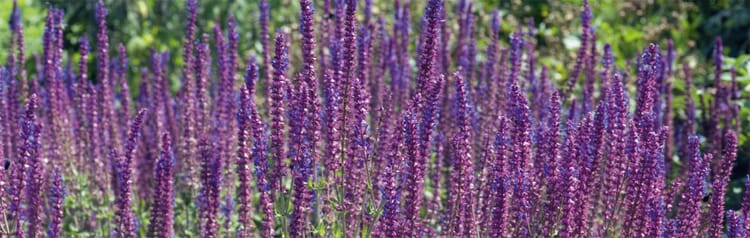
With the exception of just-flowering and late fall perennials, perennial clumps that are too dense or over-aged can be divided now and planted in a new location. A typical sign of overaging is that new shoots are formed mainly at the edges and the perennial becomes bare on the inside; in addition, flowering performance and vigor decline.
View more
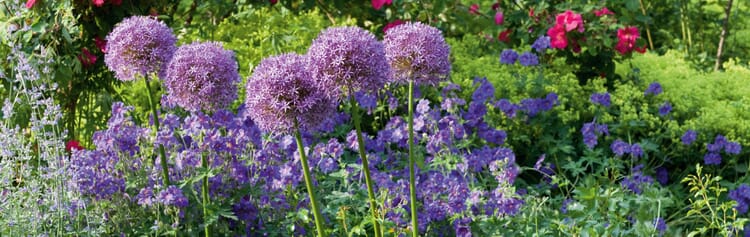
Before the first perennials begin to sprout, the perennial bed should be "tidied up". The plant residues left over from the previous year must now be removed to create space, light and air for the new shoots. They have served their purpose over the winter: Birds fed, insects harbored, the perennial protected from frost and not least decorated the winter garden.
View more
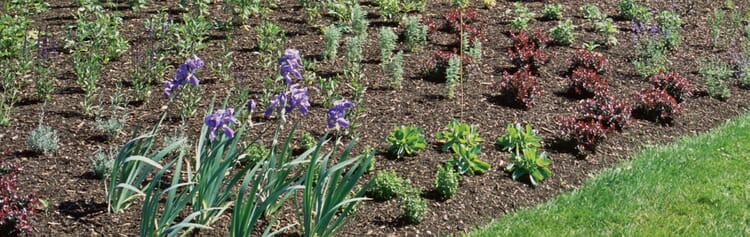
Early fall is the ideal time for planting most perennials. The plants have largely completed above-ground growth and can now tolerate a change of location much better than would be the case during the growing season. In addition, the soil is still warm now, so the plants grow quickly and are well rooted by winter.
View more