Collect leaves and compost
Recommended Topics

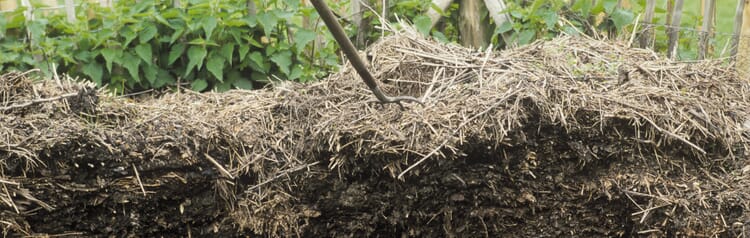
In open compost heaps, the rotting process can be disturbed by too much wetness and turn into rot. To avoid this, as well as the leaching of nutrients by heavy winter precipitation, the compost should be covered in late autumn.
View more
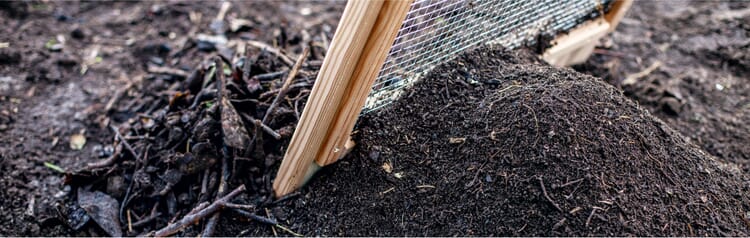
If the compost is not frozen through, it can be turned and sieved in dry weather. Even after a year of rotting, it still contains incompletely decomposed materials such as pieces of wood or the remains of leaves containing tannic acid, for example from oak or walnut. The coarse material is used to make new compost, the sieved fine compost is available right at the beginning of the new season.
View more
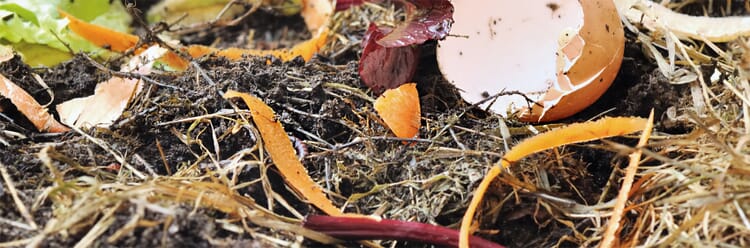
During periods of heat without precipitation in the summer, it may happen that the compost, freshly applied in the spring, becomes too dry. This can be recognized by a cracked surface and crumbly structure of the material as well as the appearance of ants. Countermeasures must be taken to prevent the rainworms and compost worms, which are important for the decomposition processes, from retreating and the rotting process from coming to a standstill.
View more