Caps






































Guide
Impressive in style and function. Our classic hats
Hats are versatile—some keep your head and ears warm even in icy winds or falling snow, while others help you stay cool in the summer and reliably shield you from the sun. For our men’s hats, we focus on natural materials—warm, temperature-regulating fibers like merino wool and traditional virgin wool, as well as summery fibers like linen and cotton. Let’s take a closer look at a few timeless styles: from sailor caps and beanies to baseball caps, berets, flat caps, and bucket hats.
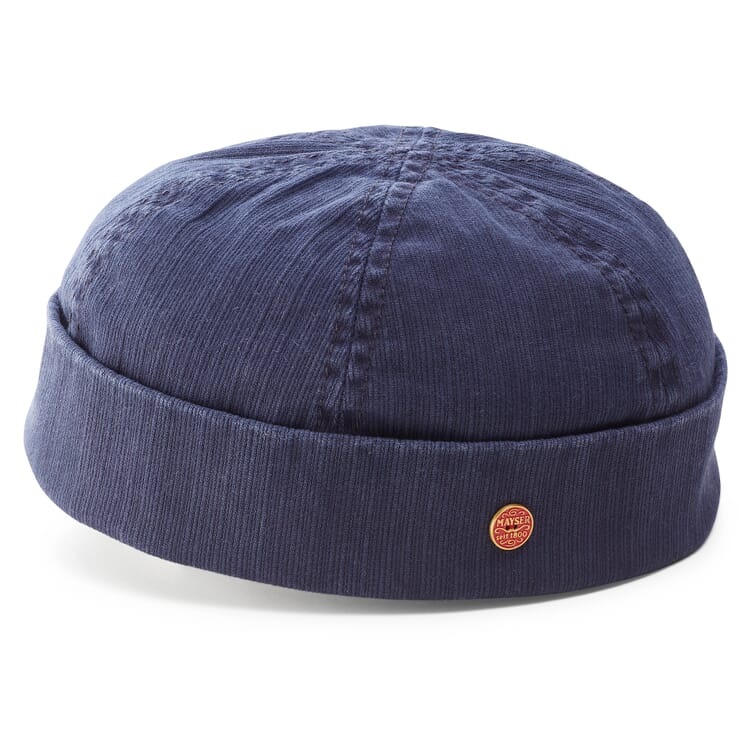
For rough weather. Nautical hats
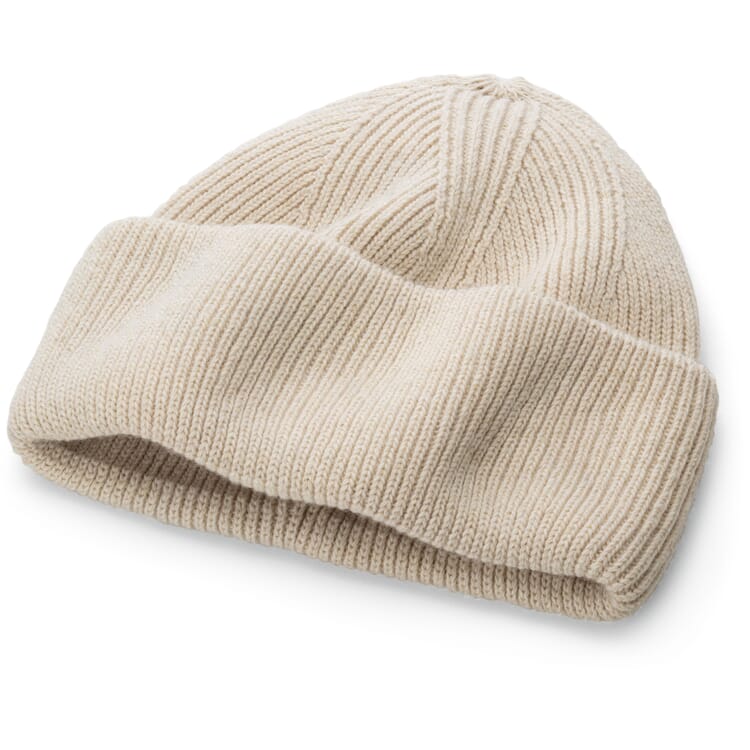
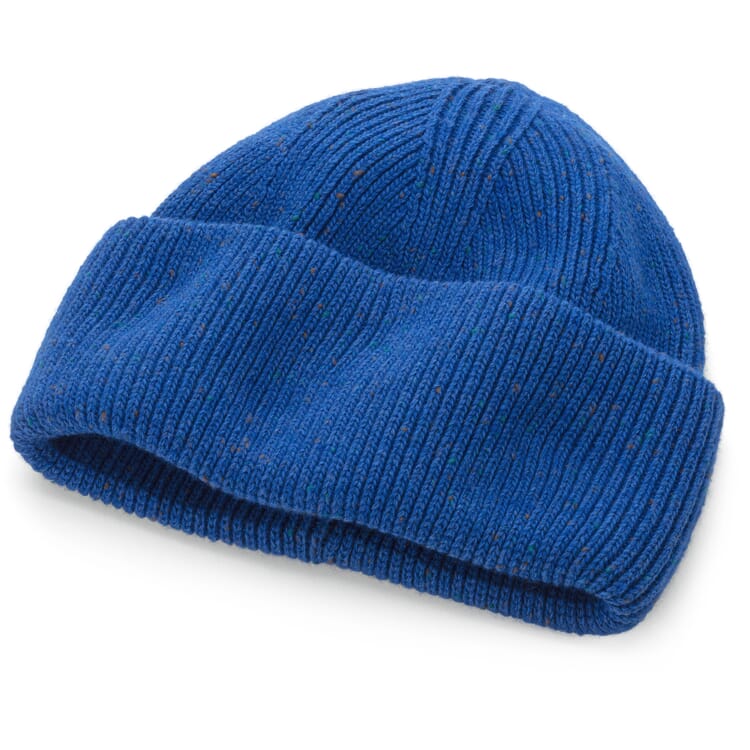
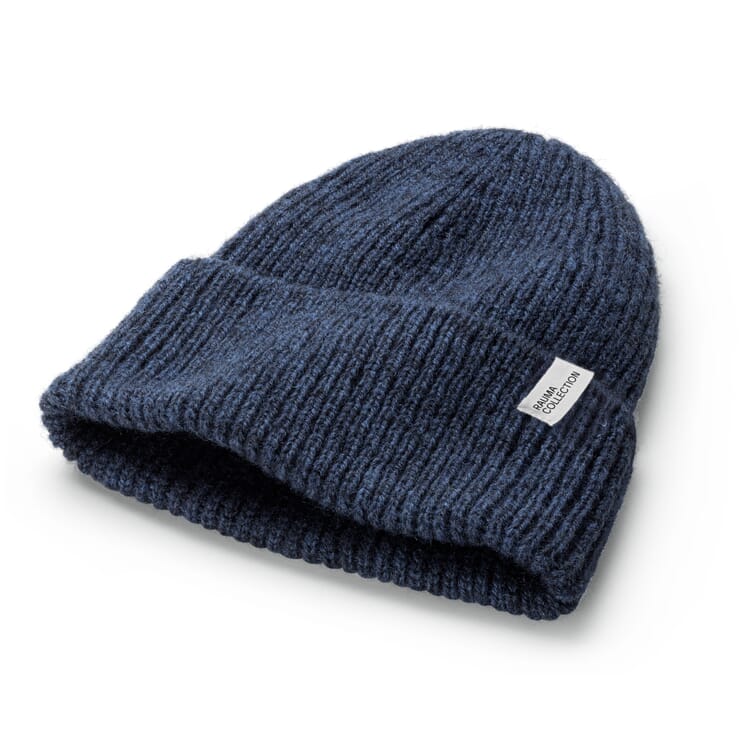
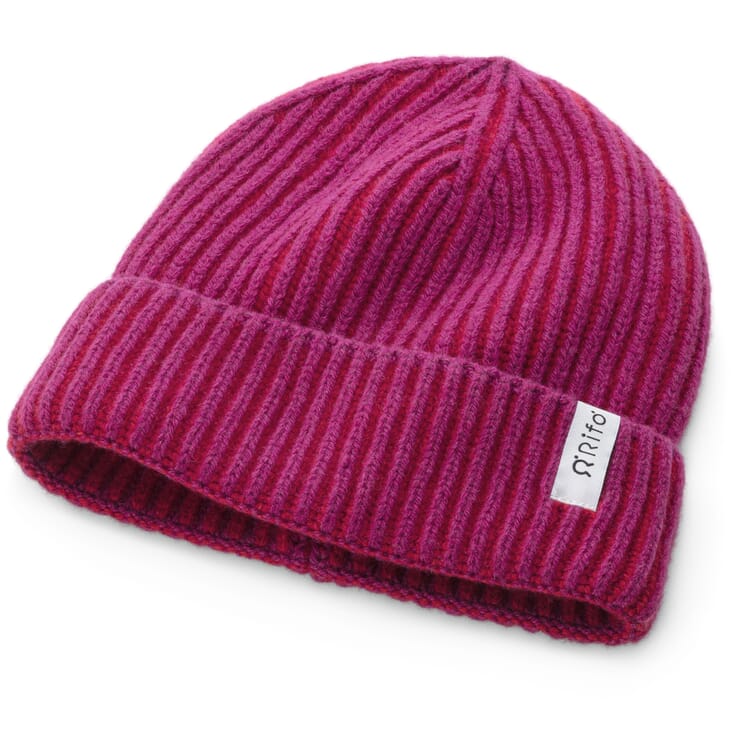
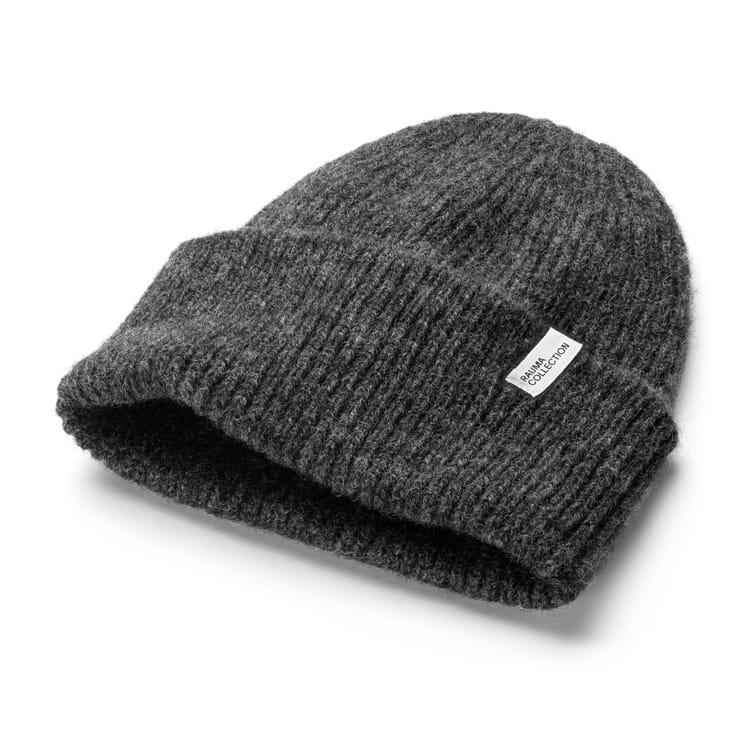
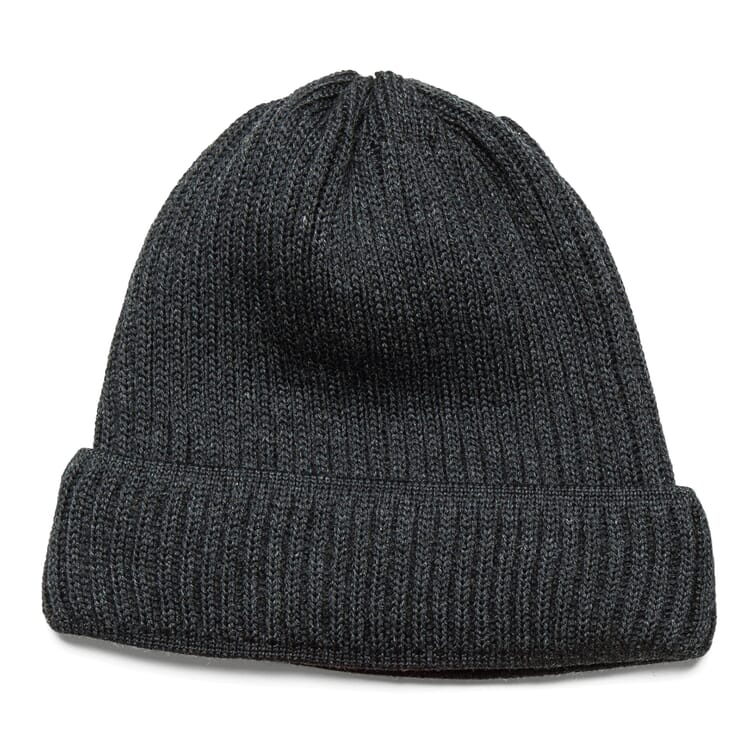
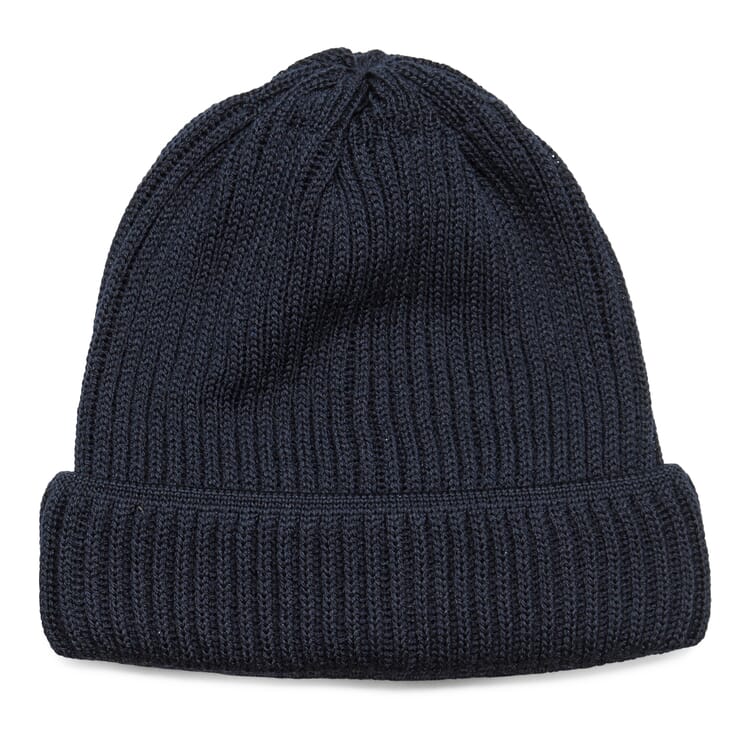
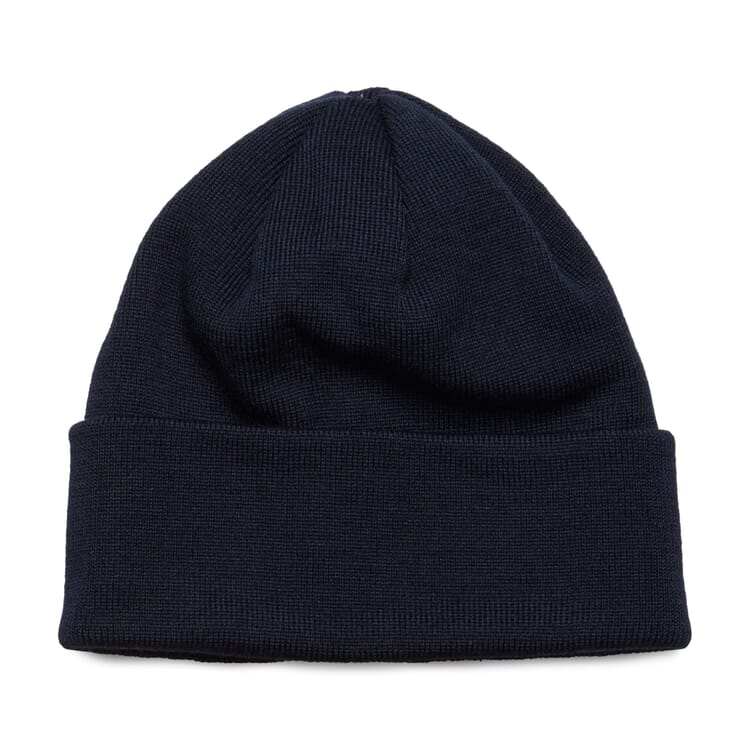
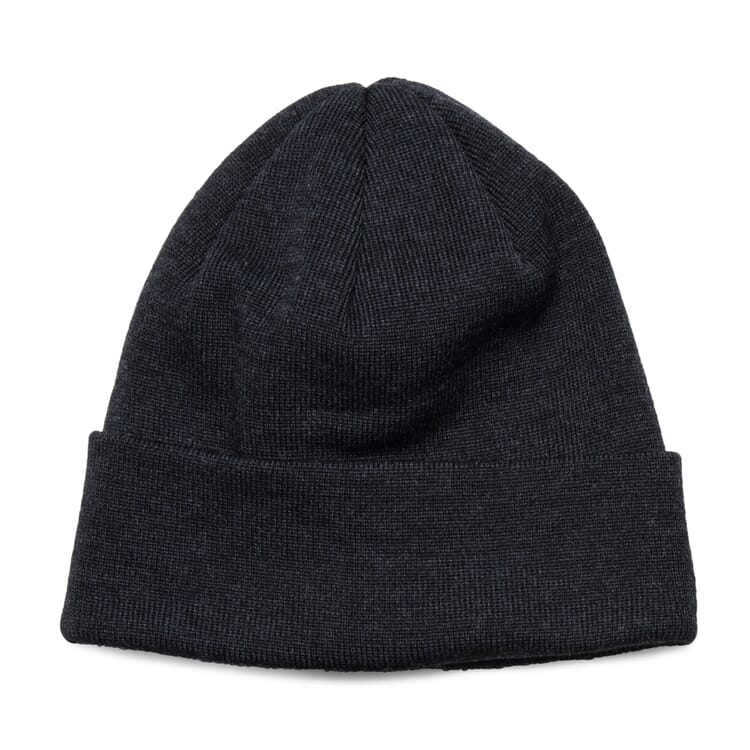
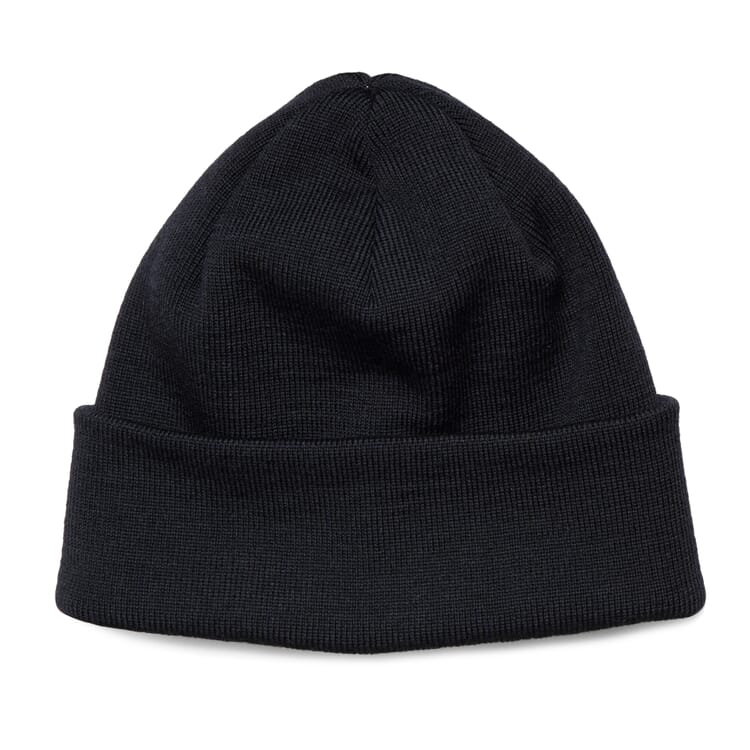
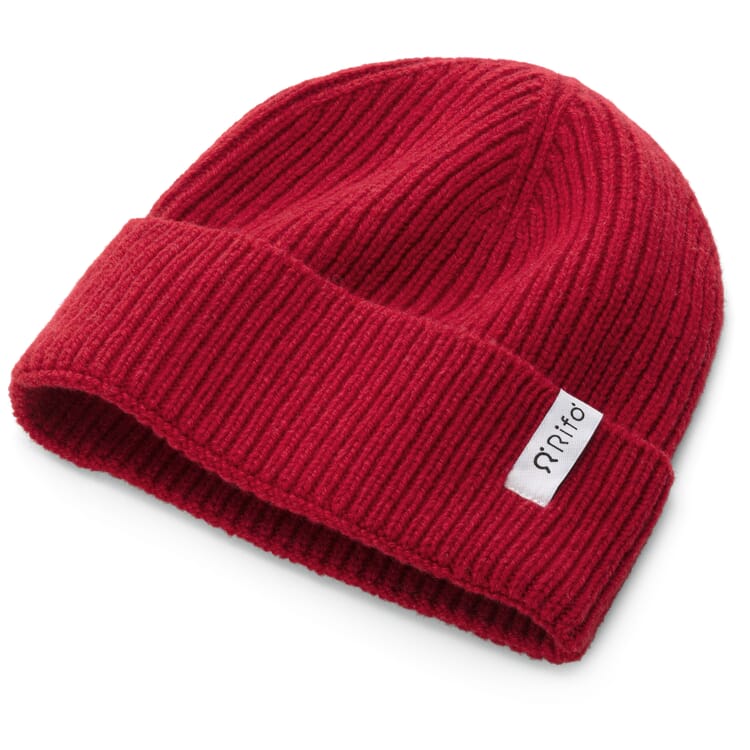
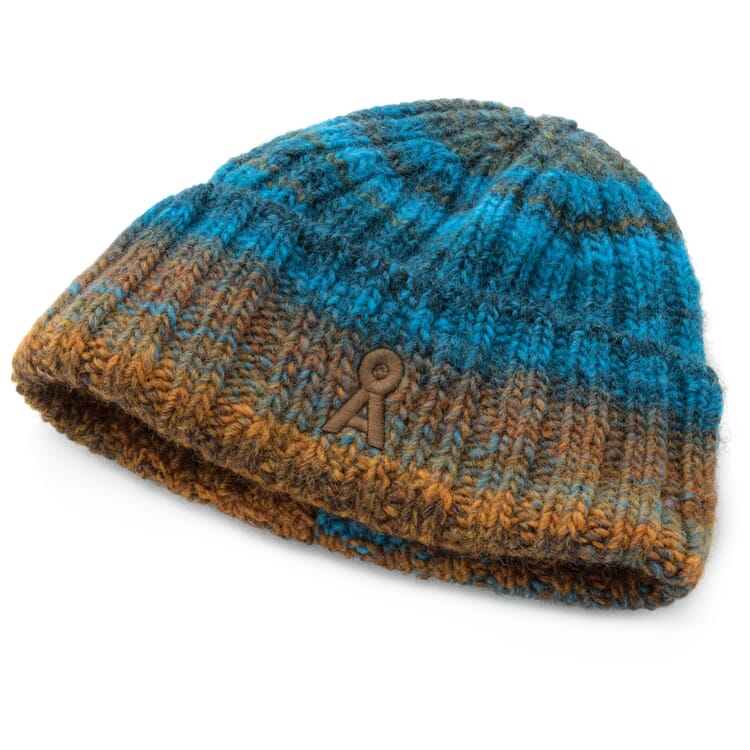
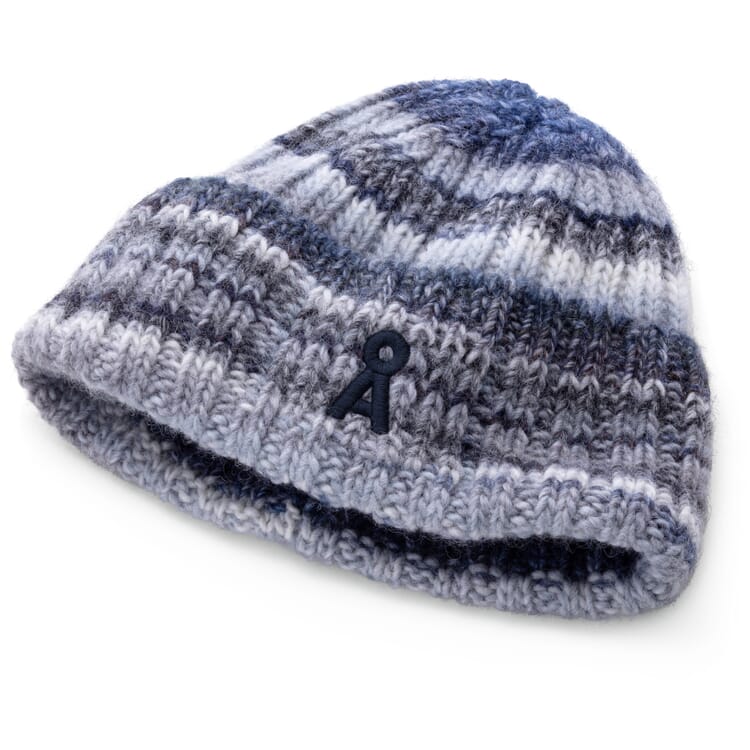
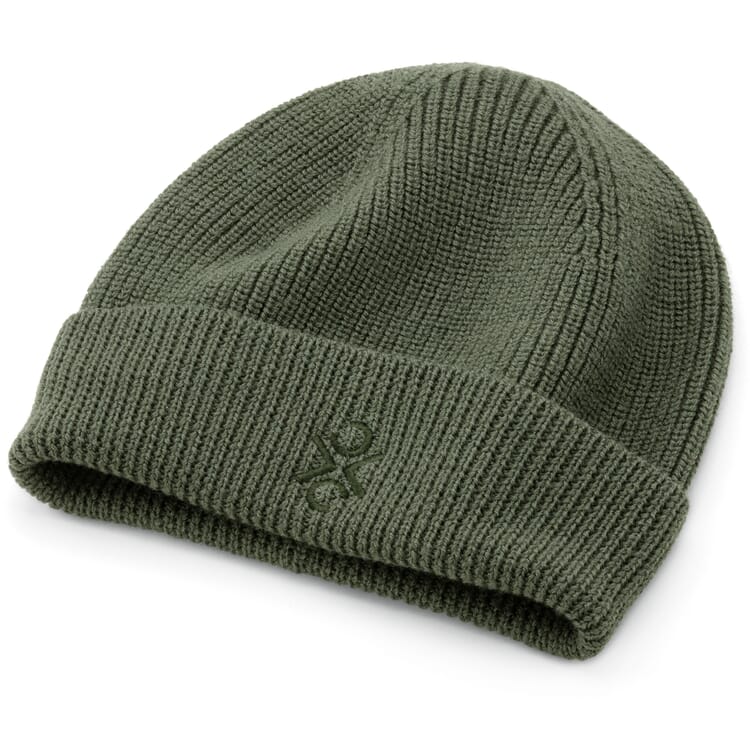
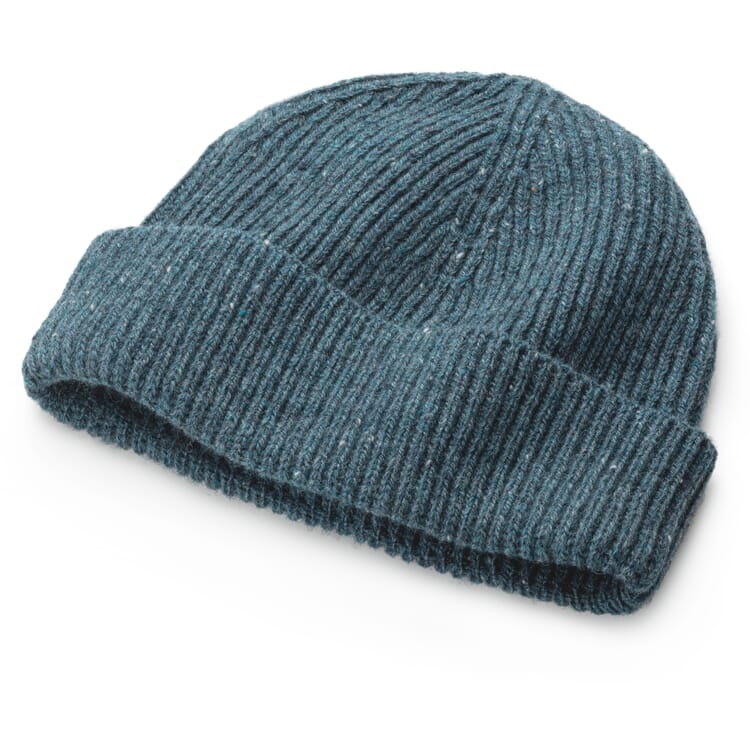
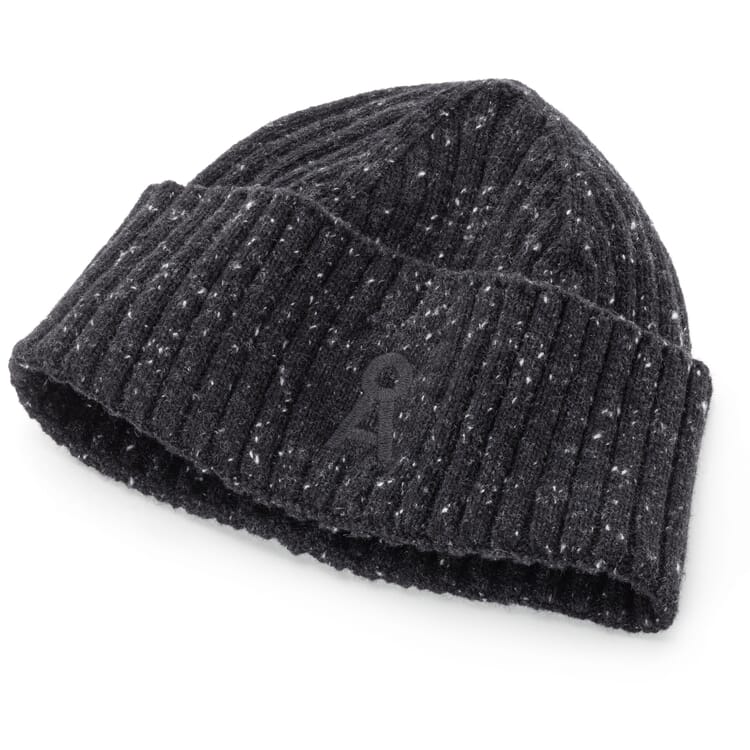
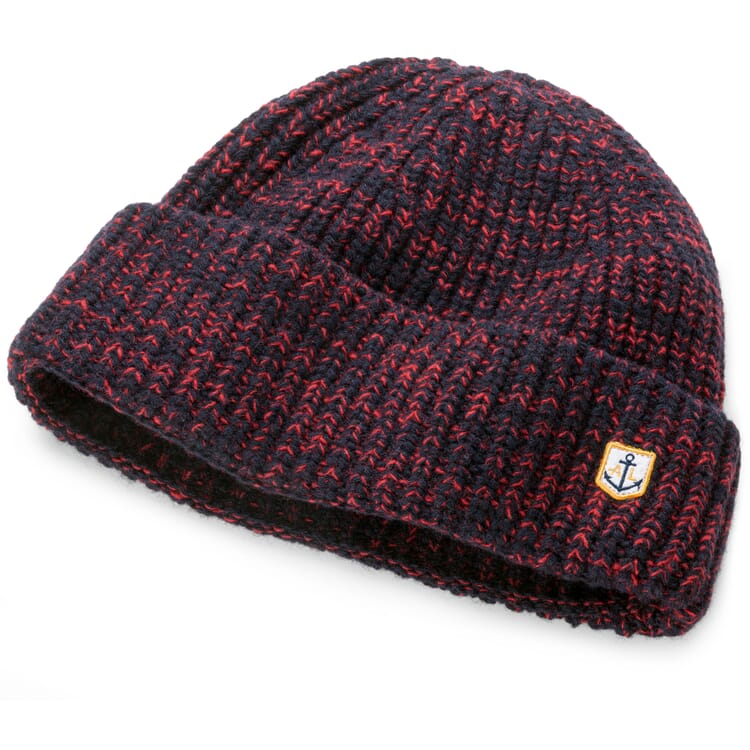
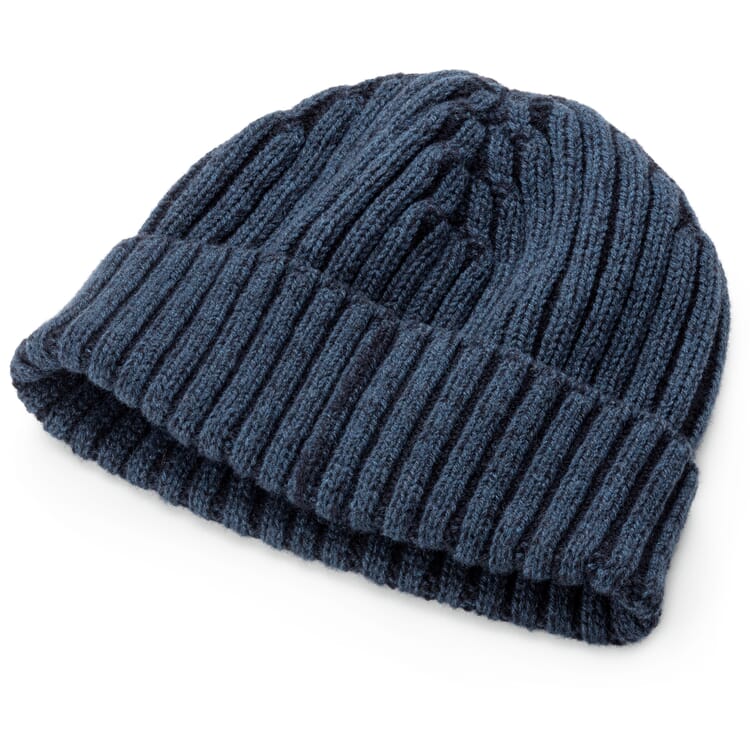
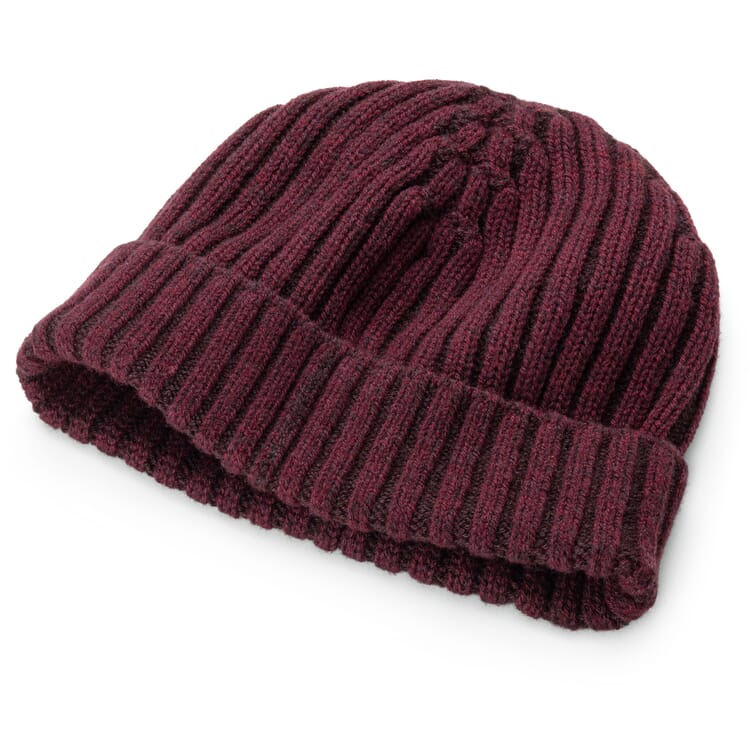
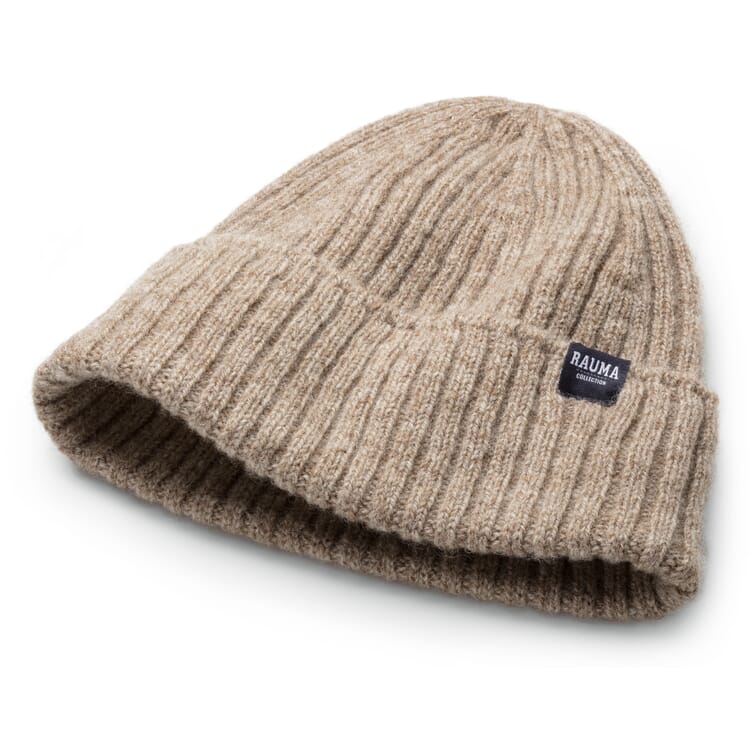
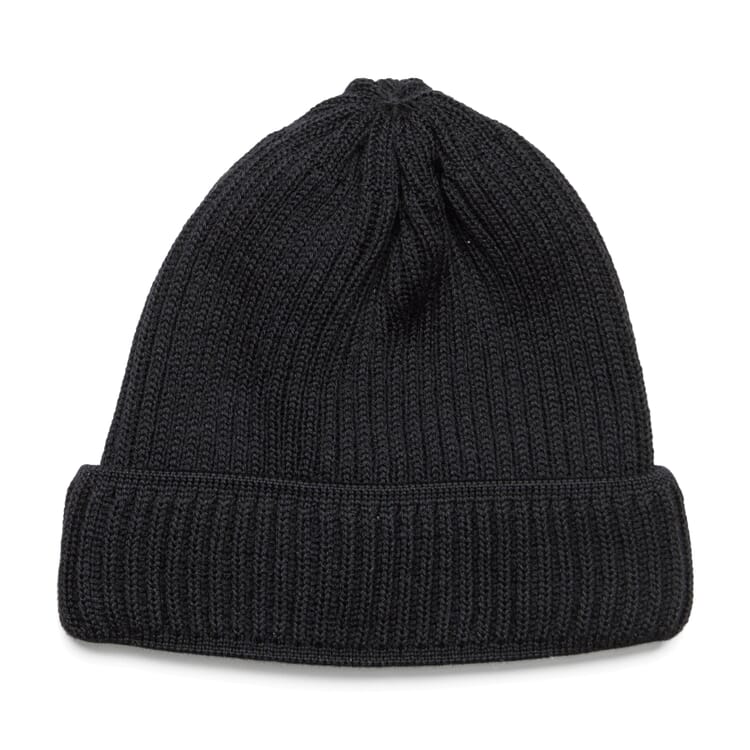
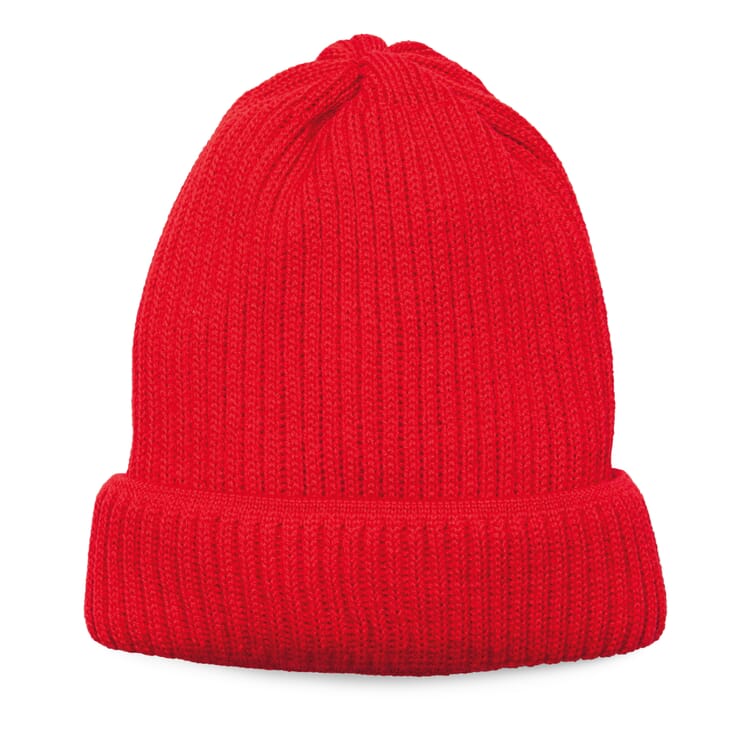
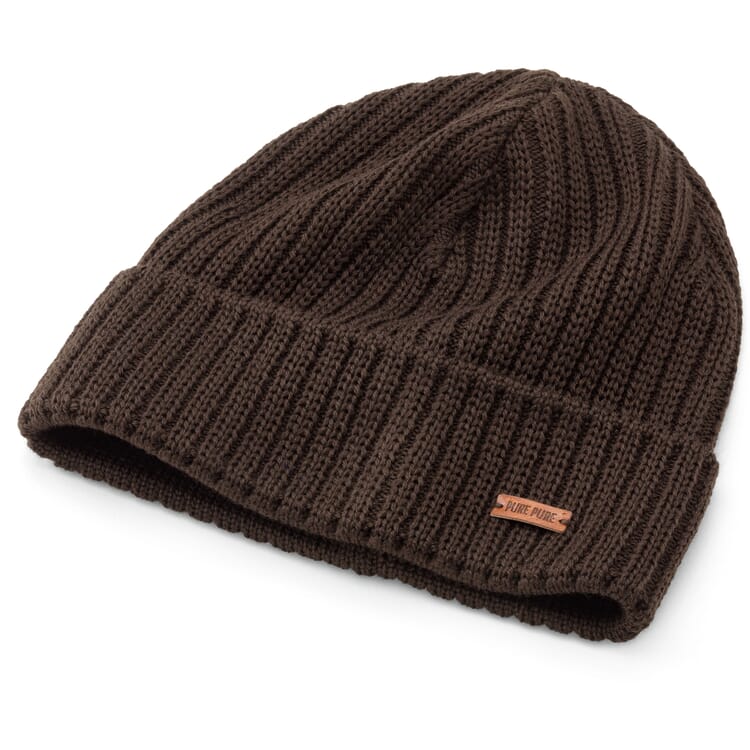
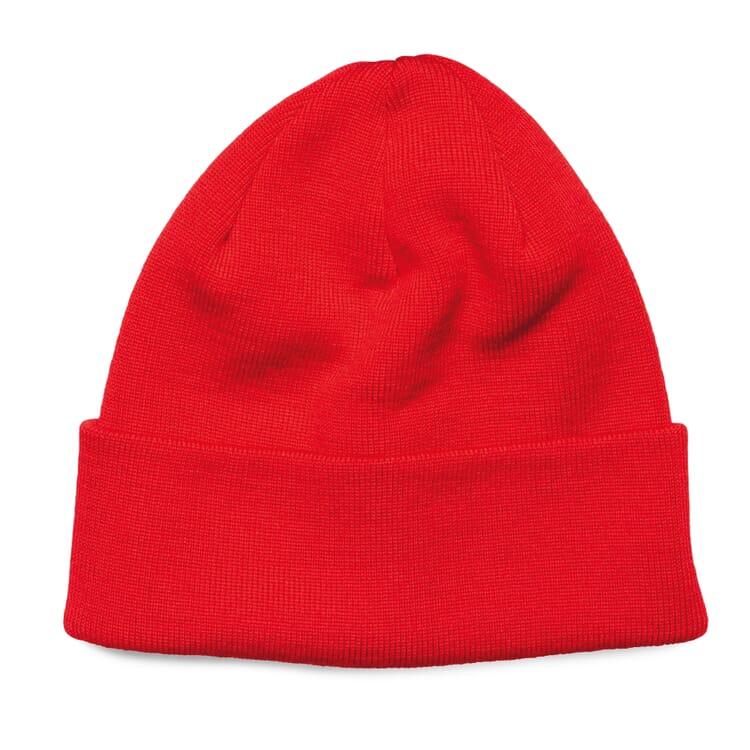
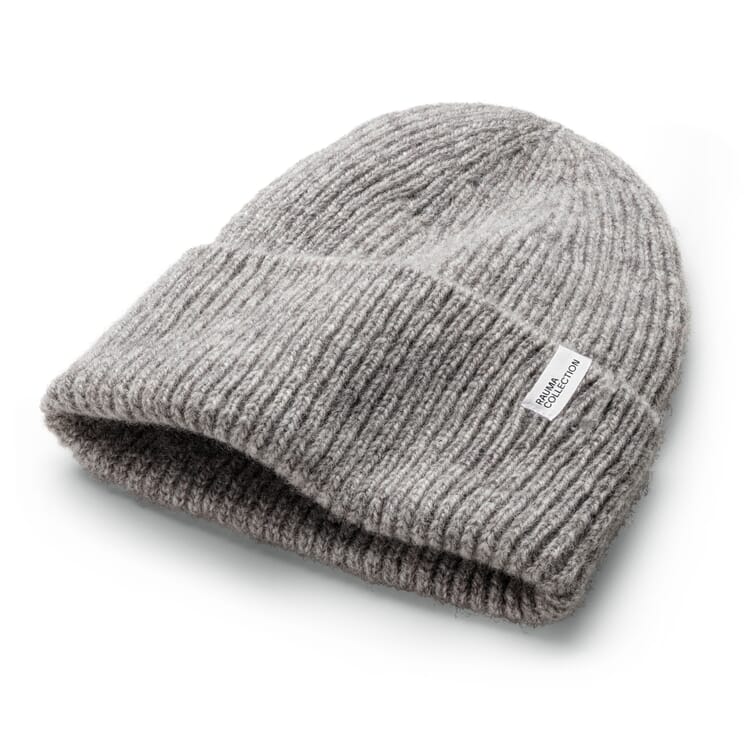
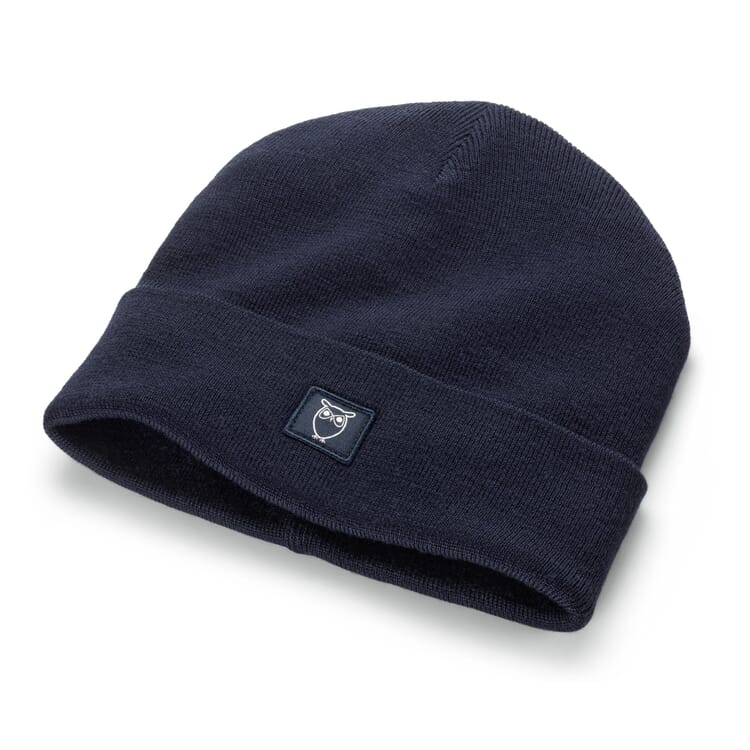
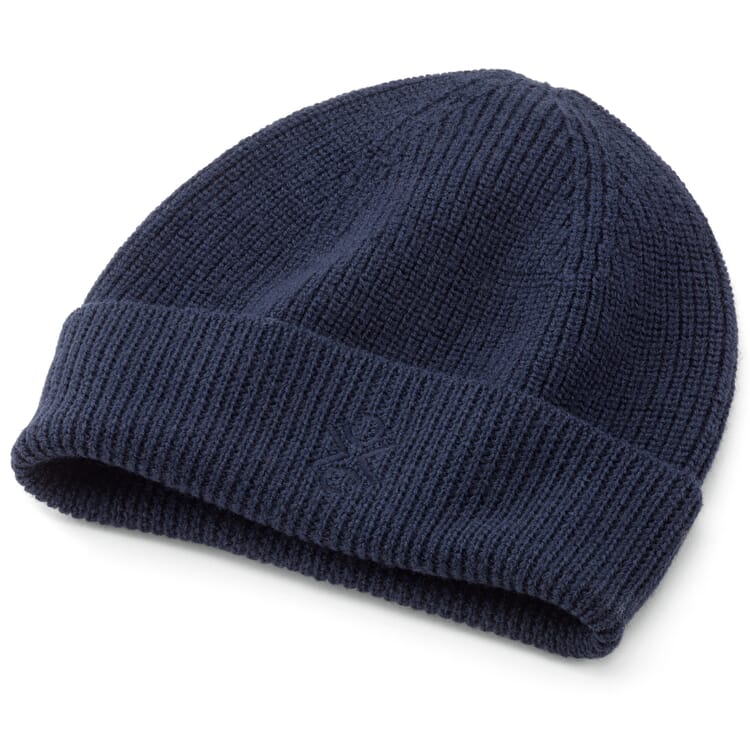
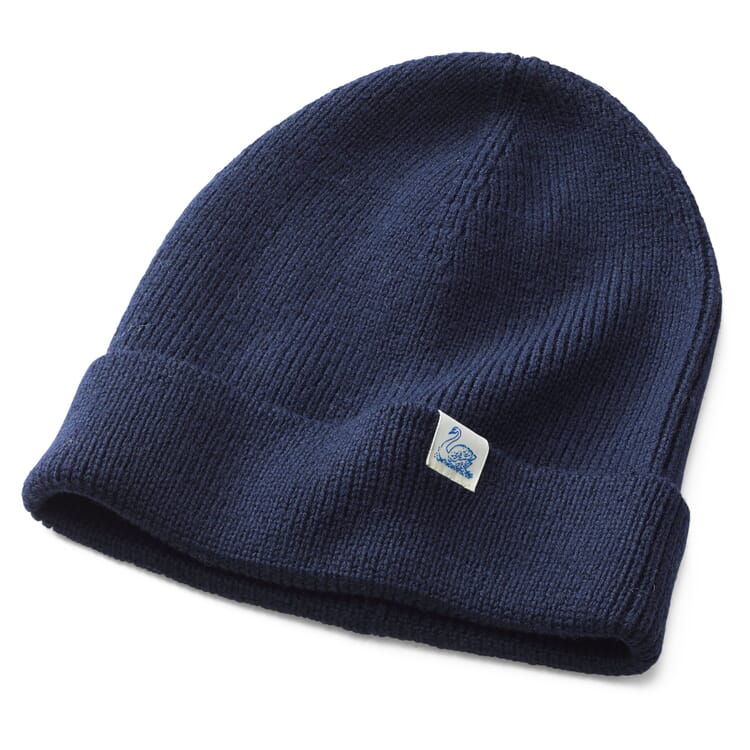
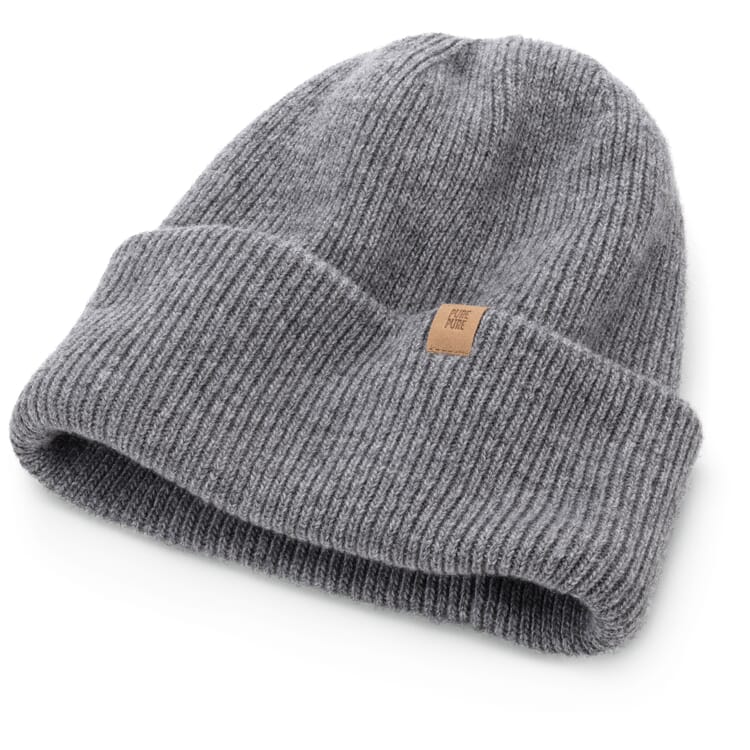
It remains a classic to this day and belongs in every wardrobe: the knitted beanie, once worn primarily by sailors and on fishing boats as protection against wind and weather. Thanks to the stretchy ribbed knit from which this beanie is usually made, it’s exceptionally comfortable to wear. A single or double fold ensures a snug fit and provides extra warmth for the head—and especially for the sensitive ears. Depending on the weather and season, choose a style made from warm materials like wool and alpaca, combined with summery materials like cotton if desired.
Just for winter? Not a chance! Beanies
A beanie is timeless, versatile, and adds a touch of casual style to any outfit. Its name comes from a colloquial English term for the human head: “bean.” The beanie, knitted from temperature-regulating wool—sometimes combined with materials like cotton and linen—is the perfect companion for the cooler months, and it complements an outfit just as well on warmer days—not just on “bad hair days.” Whether worn classically pulled low over your forehead and ears, pushed back with a slight overhang, or tilted to the side for an asymmetrical look—wear the beanie however you like.
Sporty chic. The baseball cap
Originally worn by baseball players, the baseball cap—or “basecap” for short—is a cap with a round crown, typically made from six triangular pieces of fabric, and a stiff brim—a timeless classic that adds the finishing touch to athletic outfits. Baseball caps are often adjustable in width with a Velcro strap, a strap with a buckle, or snaps, allowing them to be customized to fit any head size. An internal sweatband and ventilation openings in the fabric panels ensure a comfortable fit. The baseball cap is a useful accessory for sports and other recreational activities, protecting the head and face from direct sunlight and preventing the eyes from being dazzled by the sun’s rays or hair from falling into the face.
Very French! The beret
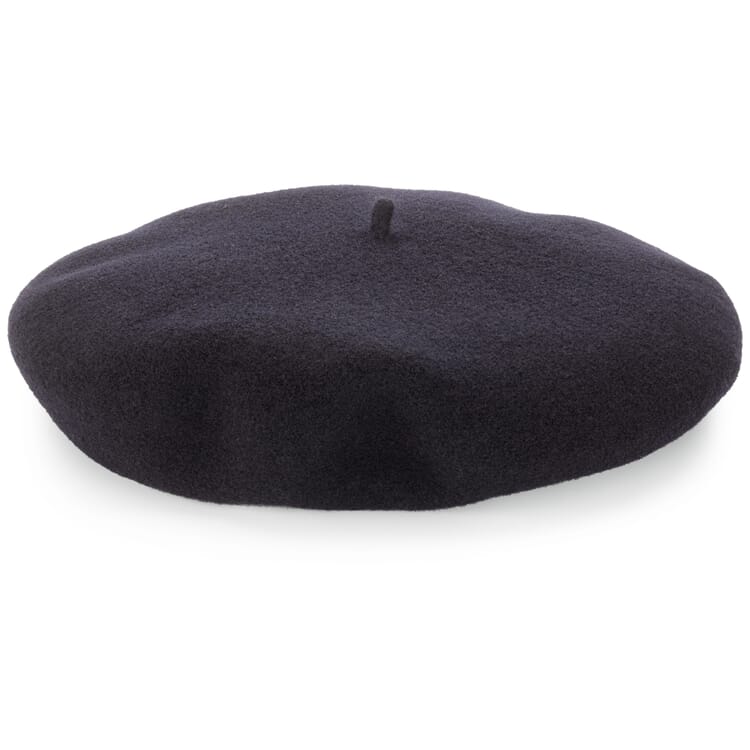
The beret—a flat cap made of wool felt, usually with, but sometimes without, the small peak on top—does not, as its name might suggest, originate from the Basque Country, but rather from the French province of Béarn at the foot of the Pyrenees. There, it was the traditional headwear of farmers and shepherds. It didn’t reach the Basque Country until later, and from there—according to tradition—Napoleon Bonaparte is said to have brought it back and given it the name “Basque beret.” As early as the 19th century, artists such as Monet and Rodin were seen wearing the “béret basque,” and in the early 20th century, Picasso and Hemingway followed suit. German intellectuals like Heinrich Böll also enjoyed being photographed wearing the beret. Marlene Dietrich made it an emblem of the modern woman, and Che Guevara ultimately turned it into a symbol of resistance. Thus, the cap—which Kurt Tucholsky is said to have sarcastically described as a “cloth ice pack with a little point on top”—became a symbol of nonconformists, fashion visionaries, and revolutionaries, and, not least, a French cultural icon. Baguette, red wine, a striped shirt, and a beret—to this day, they define the clichéd image of the typical Frenchman. Surrounded by this refreshing breeze of cultural history and French flair, the beret has always maintained its place in the fashion world—and quite rightly so, in our opinion.
A casual companion: the flat cap
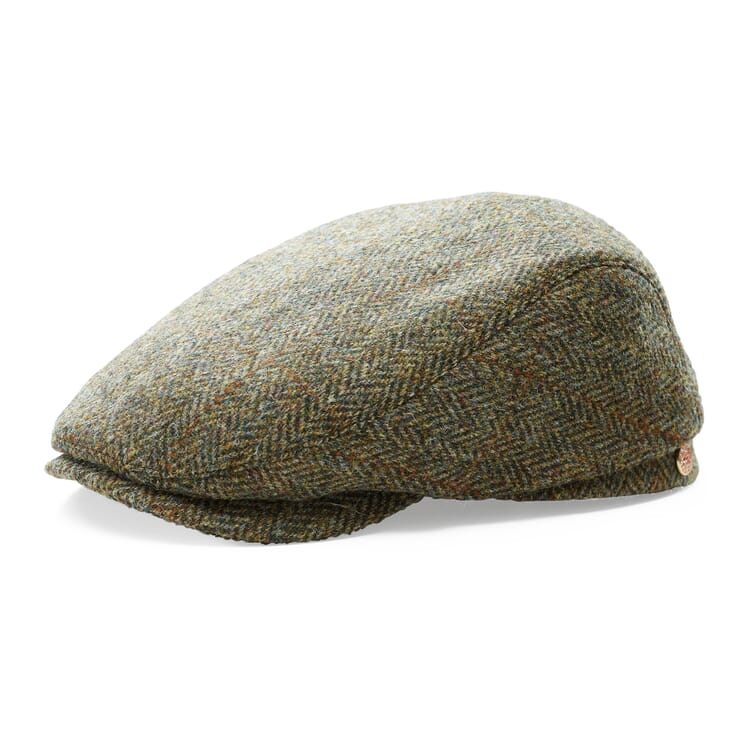
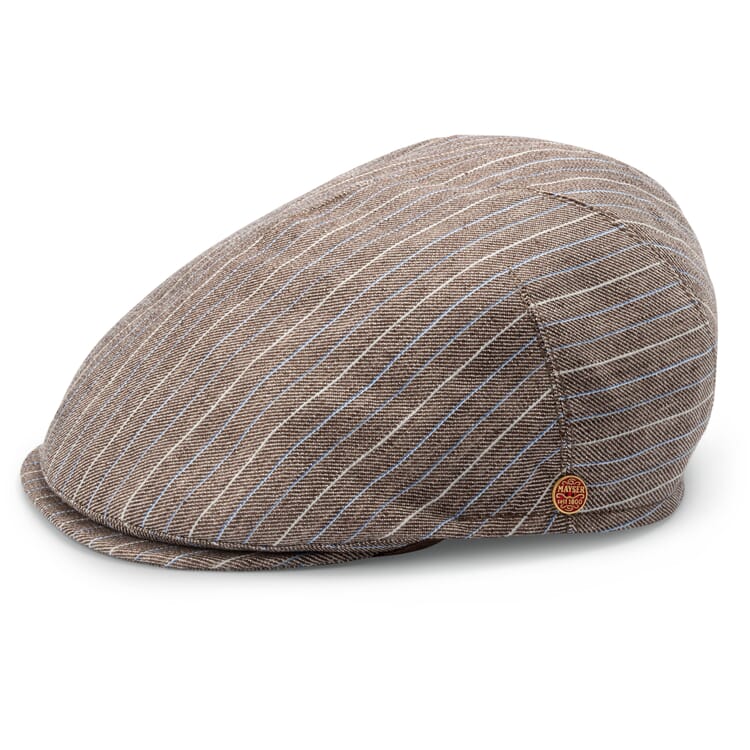
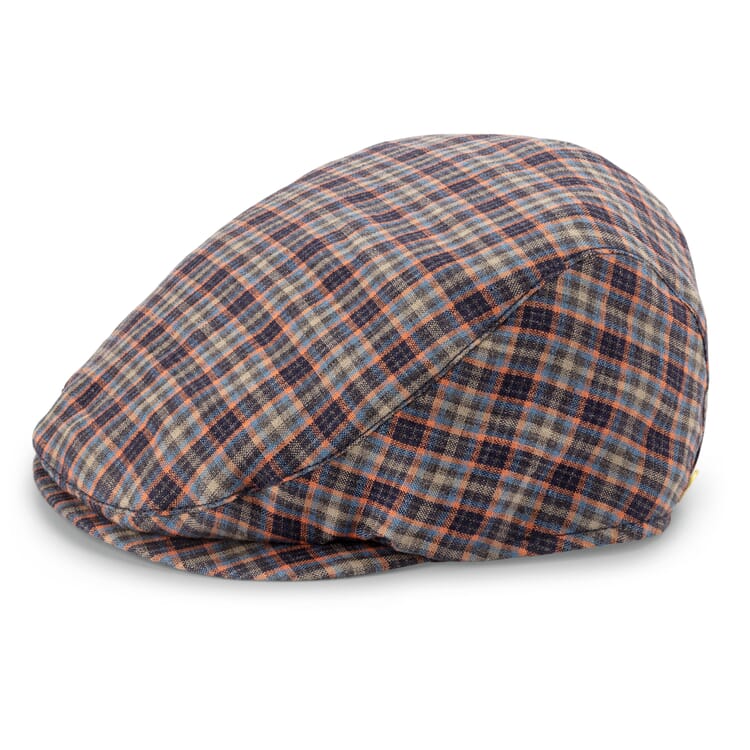
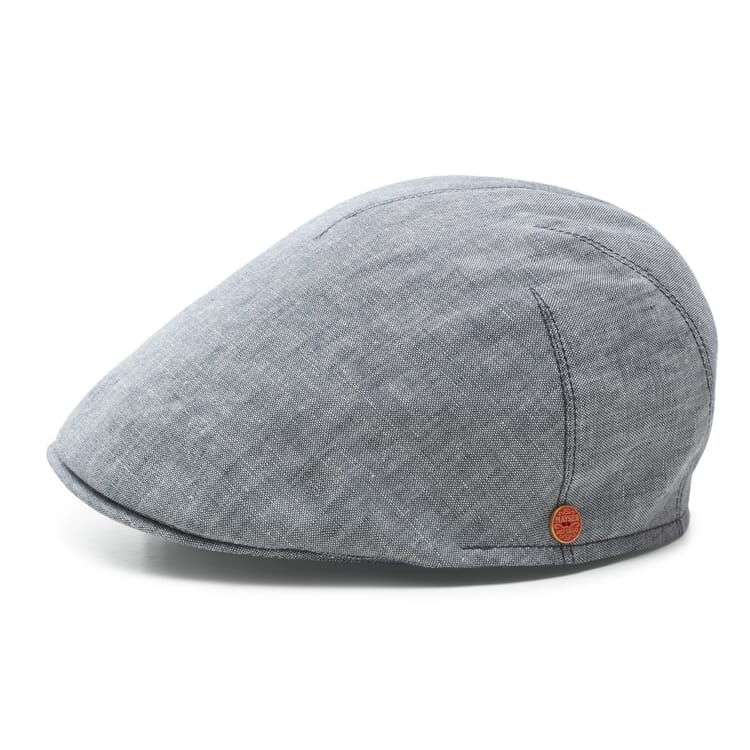
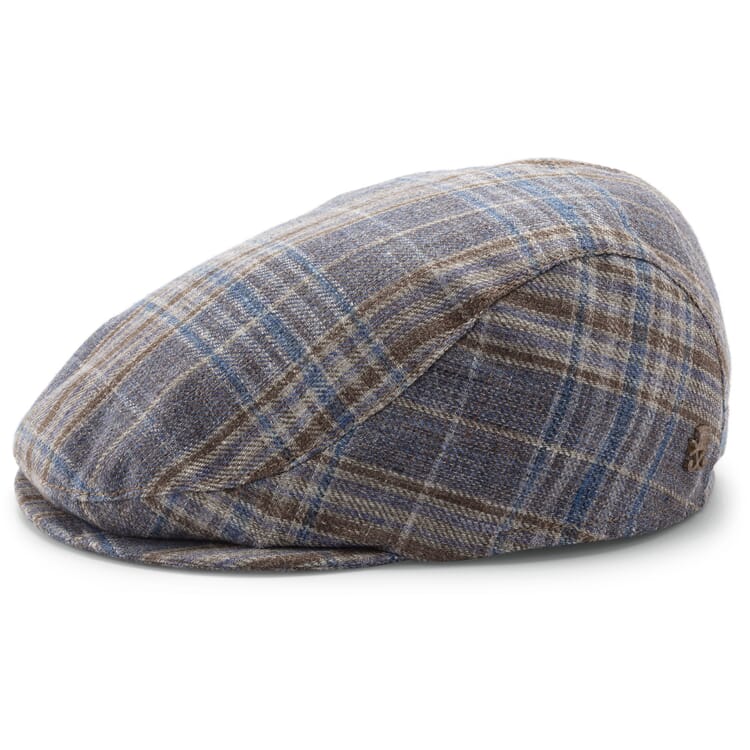
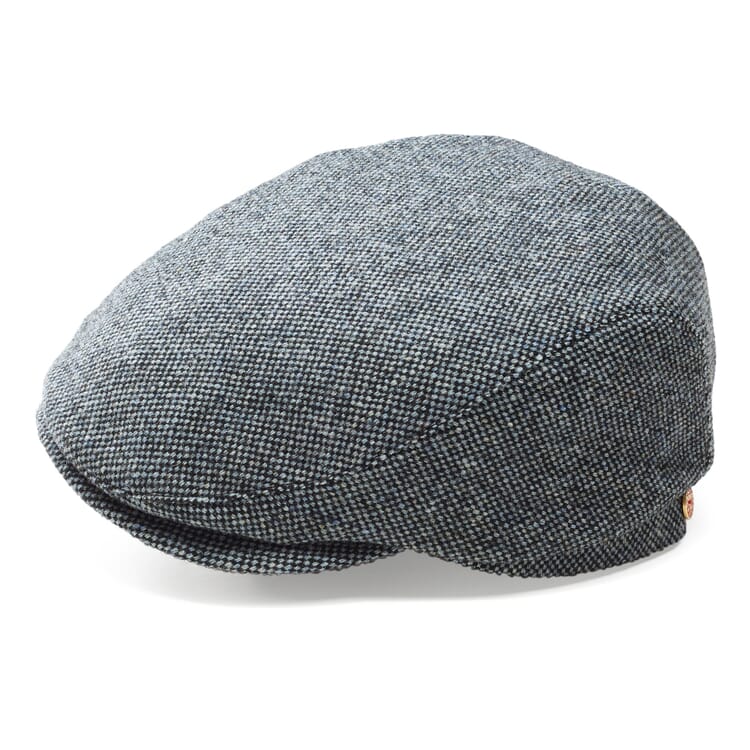
The flat cap, also known as a “Schlägermütze,” is a typical workers’ cap from the early decades of the 20th century. It was worn by the “Schieber” (foremen) in major German cities such as Berlin, hence its name. In Birmingham during the 1920s and 1930s, it soon became the trademark of the Peaky Blinders, a notorious gang of criminals. Thanks to its casual and sporty look, it soon gained popularity outside the working world—in golf and hunting, in youth and music scenes (such as among AC/DC lead singer Brian Johnson), and in everyday wear. The flat cap is constructed with a front panel that extends to the tip of the brim and is sewn to the brim, as well as darts at the back of the head. On the inside, it usually features a lining and a sweatband, which ensures an even more comfortable fit, especially in warmer temperatures. The materials and patterns vary—from classic Harris tweed in herringbone or check patterns to summery linen fabrics with a striking melange effect.
The famous newsboy cap. The newsboy cap
The early 20th century is considered the birth of the newsboy cap in Europe and North America. Like the flat cap, it was initially worn by the working class. In addition to craftsmen and merchants, dockworkers, and steelworkers, it was worn by newspaper boys and baker’s boys, among others, which earned it the names “newsboy’s cap” and “bakerboy’s cap.” Eventually, the cap made its way “from the streets” to the runways of Paris, Milan, London, and New York—and also onto the heads of artists and musicians, such as Friedensreich Hundertwasser and Gregory Porter. Unlike the flat cap, the balloon cap does not have a flat crown but rather a wide, balloon-like one, which classically consists of eight panels and features a button in the center covered with the same fabric as the cap. Like the flat cap, the balloon cap is often made from Harris Tweed—warm, temperature-regulating, and very durable. The inner lining and sweatband further ensure a high level of comfort.
Genuine only with a certificate: Harris Tweed
Rough seas with wild waves, breathtaking, unspoiled landscapes with green hills, white sandy beaches, and a diverse array of wildlife—the Outer Hebrides off Scotland’s west coast have a lot to offer. This also includes a special, traditional craft. The Hebrides are home to the Harris Tweed mills. Harris Tweed, named after the rugged, mountainous region of Harris on the island of Lewis and Harris, is a sturdy, carded-yarn fabric made from the virgin wool of Scottish Blackface and Cheviot sheep. The wool is dyed, spun, and woven by hand in small workshops—only tweed fabrics originating from the islands of Lewis and Harris, Uist, or Barra are permitted to bear the “Harris Tweed” certificate of authenticity. This high-quality fabric, with its characteristic Scottish colors and patterns, is not only known for its durability and unique, elegant appearance, but is also exceptionally warm, breathable, and temperature-regulating. Our Harris Tweed bucket hats and flat caps come from renowned German manufacturers such as Mayser and Diefenthal, which have been masters of the traditional craft of hatmaking for more than a century.
For a pair of warm ears. Natural performance fibers
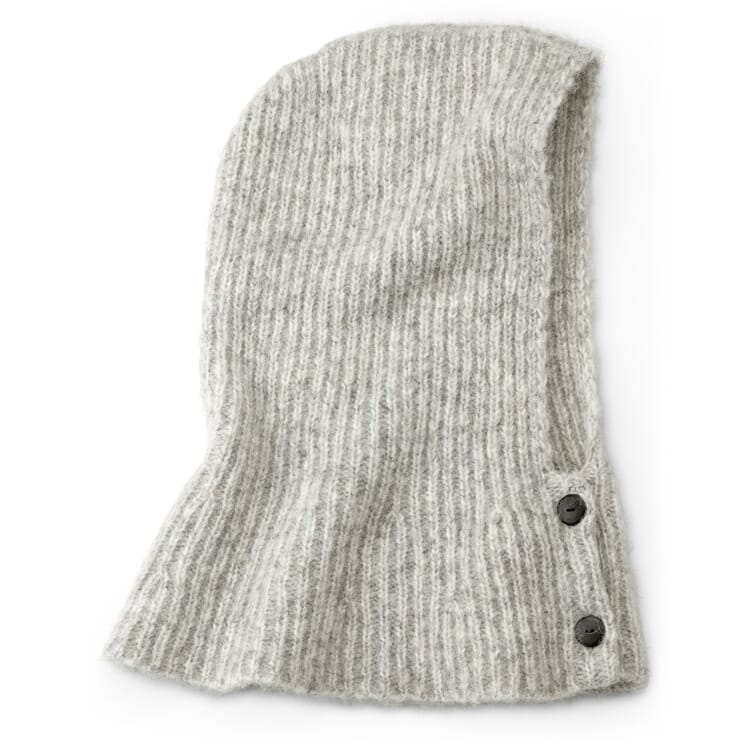
A winter hat can also make a statement, but first and foremost, it should keep your head and ears nice and warm. Ideally, function and style go hand in hand. Although it has since been disproved that most body heat is lost through the head, the head is particularly sensitive to the cold—especially the ears. They lack insulating fatty tissue, which causes them to cool down very quickly. In addition, they have a rich blood supply, and the nerves in the ear canal run directly under the skin, which is why the ears are very sensitive to temperature changes. In extreme cold, this can lead to frostbite, which can cause severe pain as soon as the ears warm up again. So it’s best to have something covering your ears—or even better: to be well protected against the cold and icy winds over both ears.
Why do we use warming fibers like virgin wool in our men’s hats? Hats made of pure synthetic fibers like polyester, polyamide, or polyacrylic are insulating, but unfortunately not very breathable. As a result, warm air builds up under the hat, causing you to sweat, and moisture cannot be effectively wicked away. In addition, synthetic fibers build up static electricity and literally make your hair stand on end. Virgin wool, on the other hand, can absorb up to one-third of its own weight in moisture without feeling damp, and it quickly releases that moisture back into the environment. For people with sensitive skin, extra-fine merino wool is the right choice; it has slightly crimped wool fibers that retain body heat particularly effectively. What’s more, the fibers curl as soon as they come into contact with the skin—for an exceptionally soft, supple feel against the skin.