Coats













Guide
Timeless, distinctive, and functional. Our men’s coats
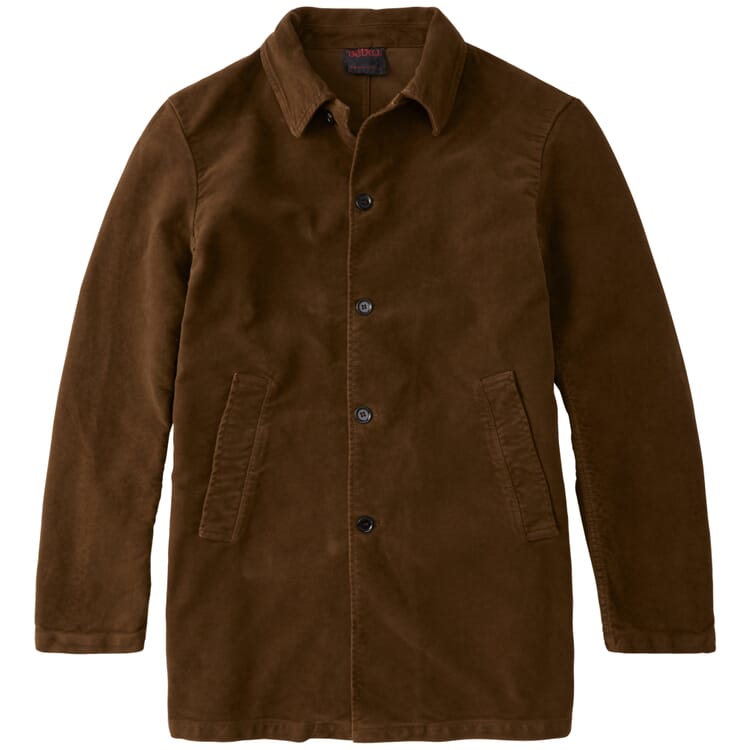
What makes a good men’s coat? It has a comfortable fit, highlights your personal style, is suitable for many occasions regardless of its cut, and can be paired with a wide variety of outfits. If the coat is well-made, it’s ideally a purchase that will last a lifetime. At Manufactum, you’ll find men’s coats that allow you freedom of movement, reliably protect you from wind, rain, and cold, and provide the necessary thermal regulation when temperatures rise. All are high-quality products crafted by responsible manufacturers using durable, primarily natural materials or recycled raw materials. We’ll introduce you to some timeless classics and help you choose the ideal coat for your needs, individual preferences, and body type—and we’ll also provide you with tips on how to care for your coat.
For a variety of weather conditions and occasions. Lightweight men’s coats
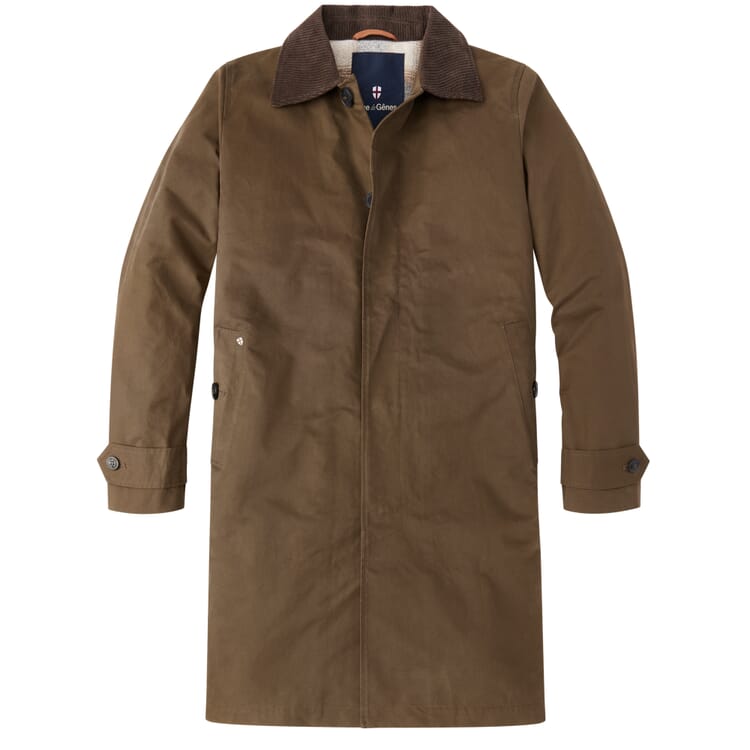
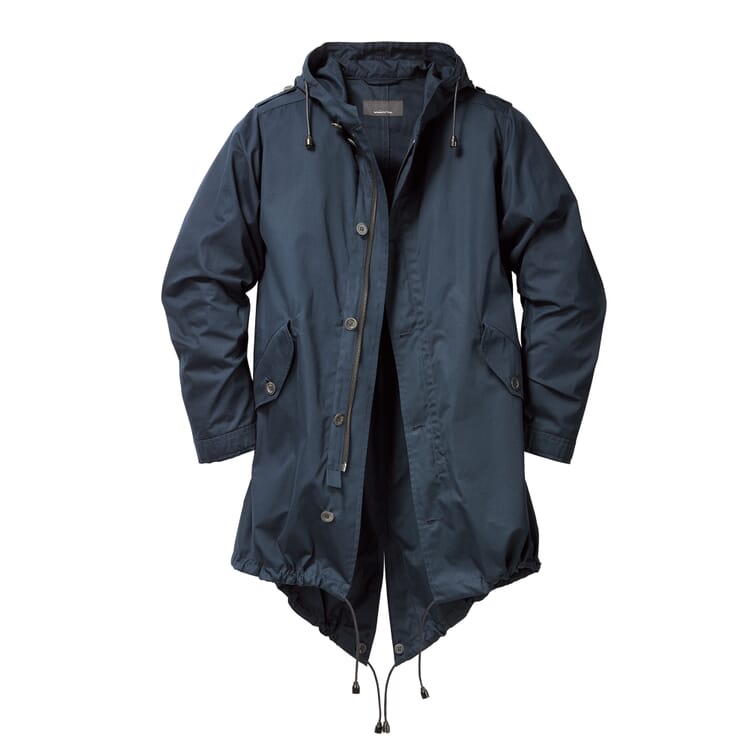
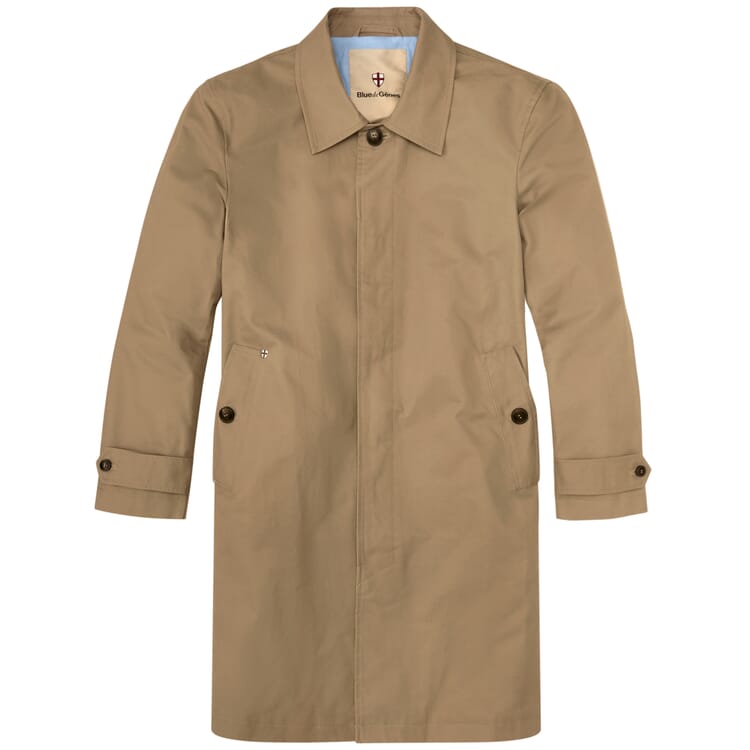
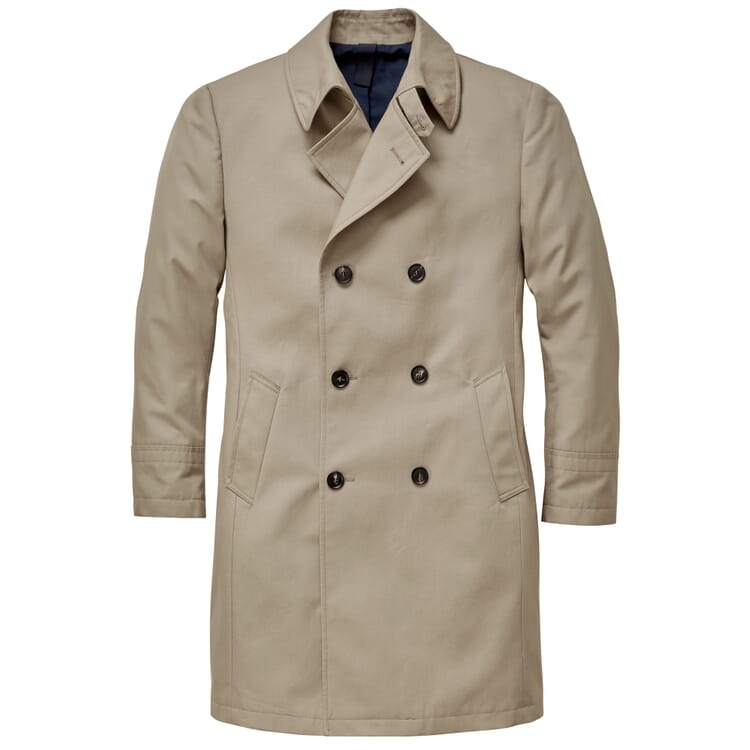
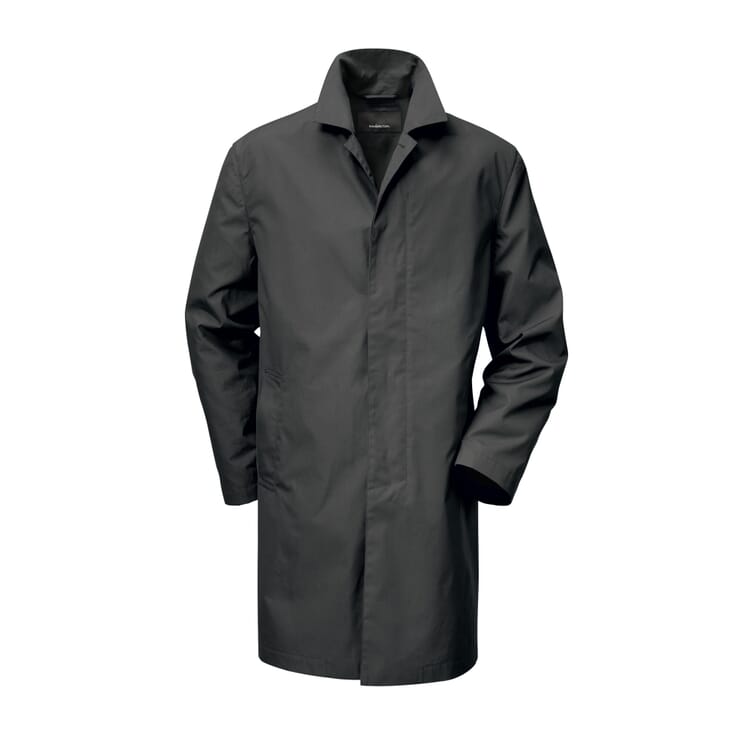
During the transitional season and on cool, changeable summer days, a lightweight cotton coat is a great choice. We offer timeless styles that are perfect even for formal occasions—from classic single- or double-breasted coats to sporty-elegant short coats. Durable, tightly woven outer fabrics like Zwirn-Doppelpilot are especially ideal for windy days. And our coats made from EtaProof®, the breathable cotton fabric from the Zurich-based Stotz Weaving Mill, not only reliably protect you from the wind but also from rain—as long as it’s not pouring down in torrents.
Timelessly elegant. The classic double-breasted jacket
The double-breasted coat is a classic that perfectly combines style and functionality. It can be worn for many occasions and lends the outfit a timeless elegance. Its outer fabric consists of a sturdy and dense coat fabric—usually a tweed or loden fabric made of virgin wool, which is first woven and then compacted through a fulling process. Such a coat provides excellent warmth, keeps out chilly winds, and offers moderate protection from precipitation. The wide overlap of the fabric in the chest area further enhances its insulating properties. However, the double-breasted coat is also available in a “summer” version—made from durable, wind-resistant cotton fabric that withstands changeable weather with brief showers well.
A true Breton. The Kaban
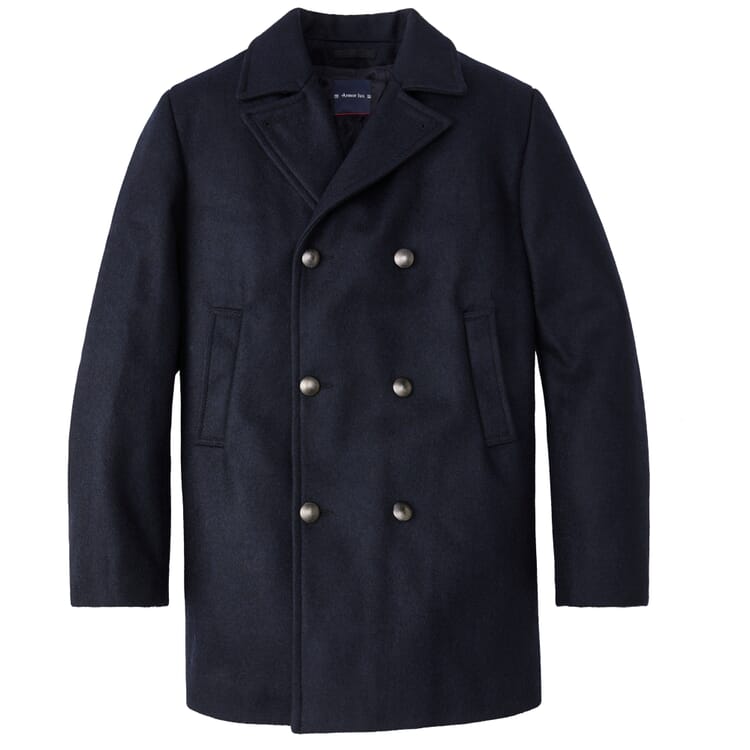
The kaban or caban (French: waterproof short coat), also known in Great Britain and the U.S. as a “reefer jacket” or “pea coat,” has been worn for centuries by fishermen along the Breton coast and from there spread to the fleets of Europe. Today, the kaban has become an indispensable part of the fashion world. Characteristic features of this short, everyday coat made of virgin wool include its high-closing lapel collar—usually with a buttoned storm flap—and the pairs of uniform buttons, typically made of metal. Just as sailors have long appreciated, the kaban offers plenty of freedom of movement and, thanks to its tightly woven outer fabric, protects against stormy weather, creeping cold, and—to a certain extent—rain as well—making it an ideal companion for spring, fall, and winter.
Comfortable through and through. The duffle coat
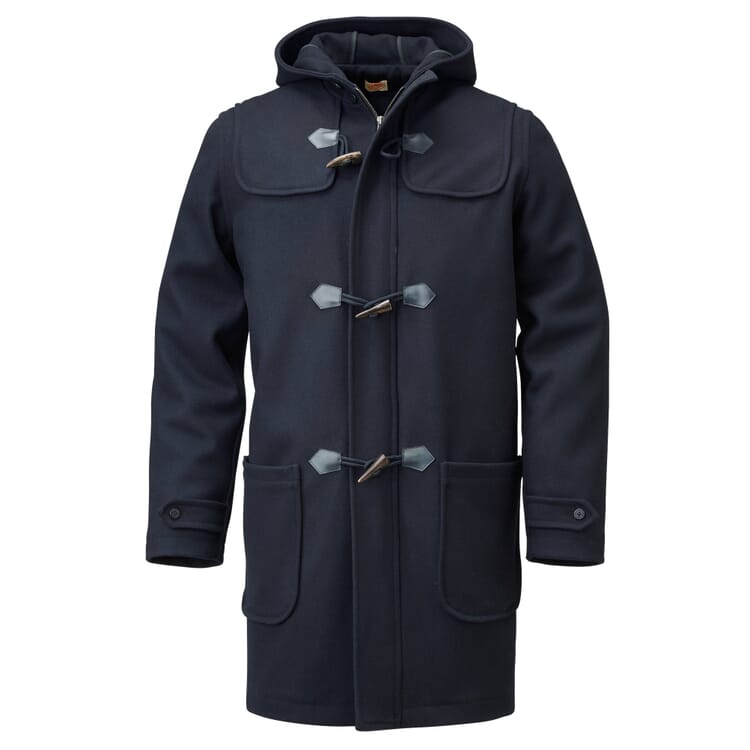
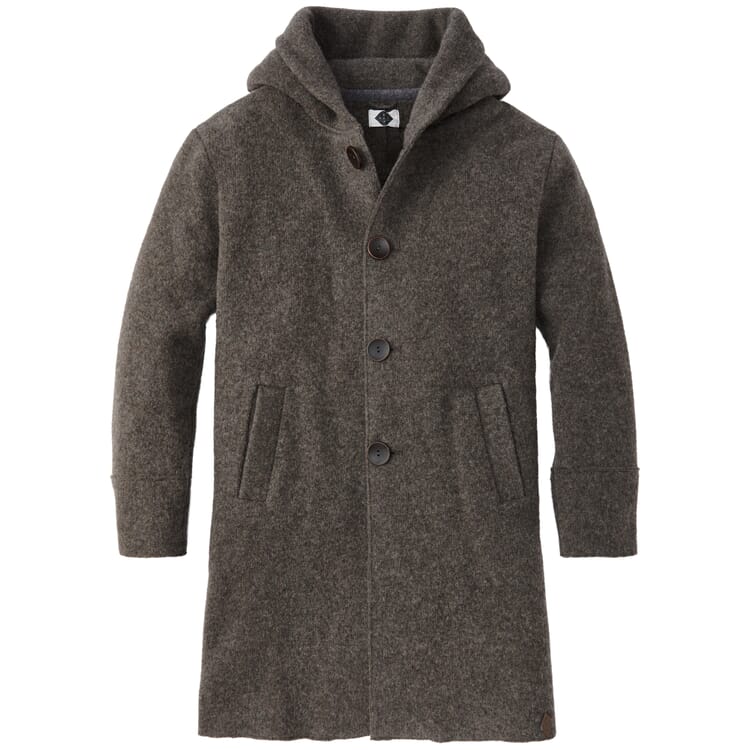
Originally designed for sailors to protect them from the harsh cold at sea, the duffle coat is now a timeless classic that has earned a permanent place in the winter wardrobe—no doubt in part because its loose, comfortable cut allows you to wear a thick wool sweater underneath. It is made from a dense, heavy wool fabric known as “Duffel,” named after the Belgian town of Duffel, where the fabric was developed. This fabric is extremely windproof, durable, and easy to care for—and it keeps you nice and warm in winter. The duffle coat’s distinctive toggle closures—which are easy to open even while wearing gloves—are its hallmark features, complemented by patch pockets and a large hood. We value traditional craftsmanship, which is why our duffle coats are made from pure virgin wool.
Cozy and warm. Men’s wool coats
A wool coat is a great companion on cold winter days—it won’t leave you out in the rain, even in damp weather. This is because wool fibers are highly crimped, creating air pockets between them that can account for up to 85 percent of their volume. These tiny air pockets act as insulation, preventing body heat from escaping. Raindrops roll off the surface of the wool fibers, and water vapor is absorbed. Wool can absorb up to 35 percent of its own weight in moisture without feeling wet. But it’s not just the wool that keeps you warm. Special weaving and fulling techniques used in the production of the coat fabric densify the material, providing additional protection against wind, rain, and snow.
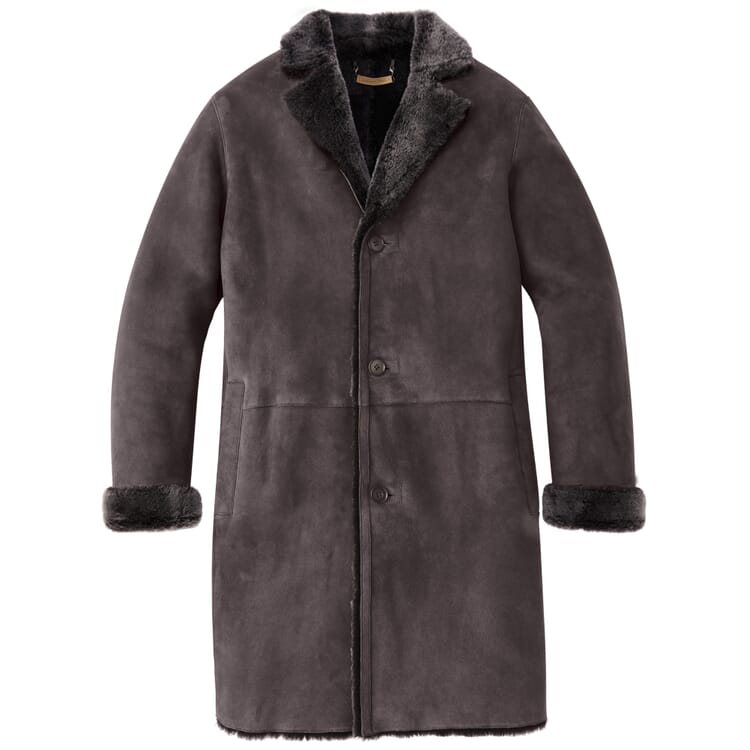
Incidentally, wool is not only ideal as an outer fabric for winter coats but also as a natural filling material in the form of wool fleece. Temperature-regulating and breathable, wool fleece offers excellent thermal insulation and is therefore a good alternative to down filling.
But please, make it sustainable. Men’s coats with synthetic fiber filling
As an alternative to down, synthetic fibers are also used as filling for winter coats. Some of these synthetic fibers actually have properties similar to down: they are lightweight, insulating, and—unlike down—they keep you warm even when wet, which is particularly advantageous during athletic activities. However, because synthetic fibers are produced from petroleum, we make sure our collection uses the highest possible percentage of recycled raw materials—whether the synthetic fibers are used as filling or as outer fabric.
No matter which winter coat you choose, be sure to look for a good fit. If the coat is too tight, you’ll sweat more easily, and if it’s too loose, you’ll lose heat. Pair your winter coat with a hat, scarf, and gloves, and you’ll be able to beat the cold in good spirits.
Which coat is right for me? 7 tips for a good fit
Whether short or long, fitted or straight-cut—a coat should first and foremost be comfortable and allow you freedom of movement, especially if you’re not just wearing it to the theater or the office, but also for more active outings. Here are a few tips to help you choose the right coat:
- Wear a suit or a thicker sweater while trying on the coat. If you feel constricted and can’t move your arms freely, it’s better to go up a size or choose a different style.
- However, the coat shouldn’t be too big either. It fits perfectly when the shoulder seam aligns with the end of your shoulder.
- As for sleeve length: When you extend your arms to shoulder height, the sleeves should reach the base of your palm.
- If you’re on the shorter side, opt for a short coat that ideally ends a hand’s width above or below the knee—but not directly at knee level, as this would shorten your silhouette. A stand-up collar is also beneficial because it visually elongates the body.
- If you’re tall, a long coat is also a good choice—either slightly fitted or straight-cut.
- To conceal a bit of a belly, it’s best to look for a straighter cut and a loose fit.
- If you have an athletic build with broad shoulders and a relatively narrow hip area, a coat that balances your proportions and doesn’t overly emphasize your shoulders is a good choice.
Of course, these rules aren’t set in stone. They’re simply suggestions meant to help you choose your new favorite coat. Anything goes—as long as you like it! After all, you should feel comfortable in your coat for a long time to come.
Visit our stores, try on your favorite coat, and let our knowledgeable staff advise you.
How to Keep Your Coat Looking Great for a Long Time: Care Instructions
First things first: Before you start cleaning your coat, please follow the manufacturer’s instructions on the label, as each material has different care and cleaning requirements.
- Air out instead of washing: Give your coat an “air wash” from time to time. This works great not only on a covered balcony but also in the bathroom during or after a hot bath or shower. This way, many unpleasant odors literally vanish into thin air.
- Cleaning and care in one wash cycle: If your coat is washable, avoid using harsh detergents—for the sake of the environment, of course. Instead, use a mild care product that’s tailored to the specific material. For example, coats with down fill should be washed with a special down detergent. This ensures gentle cleaning while simultaneously replenishing the down’s natural oils. Regardless of what fabric your coat is made of, you should always avoid fabric softener, as it causes the fibers or down to clump together, stresses them, and impairs their natural properties.
- Gently remove stains: In many cases, washing or having your coat professionally cleaned isn’t necessary at all. Light soils, lint, or pet hair can be easily removed with a clothing brush or lint brush. You can tackle small stains with a slightly damp cloth by gently dabbing the area. Proceed with care. First test the method on an inconspicuous spot and avoid vigorous rubbing to protect the fibers.