Everything about the tomato
Follow the words with tomatoes


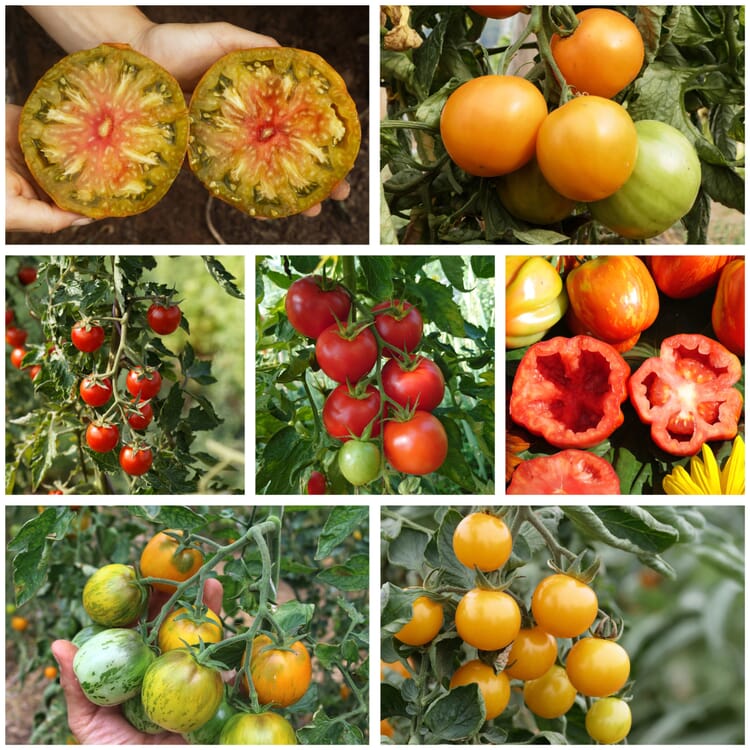
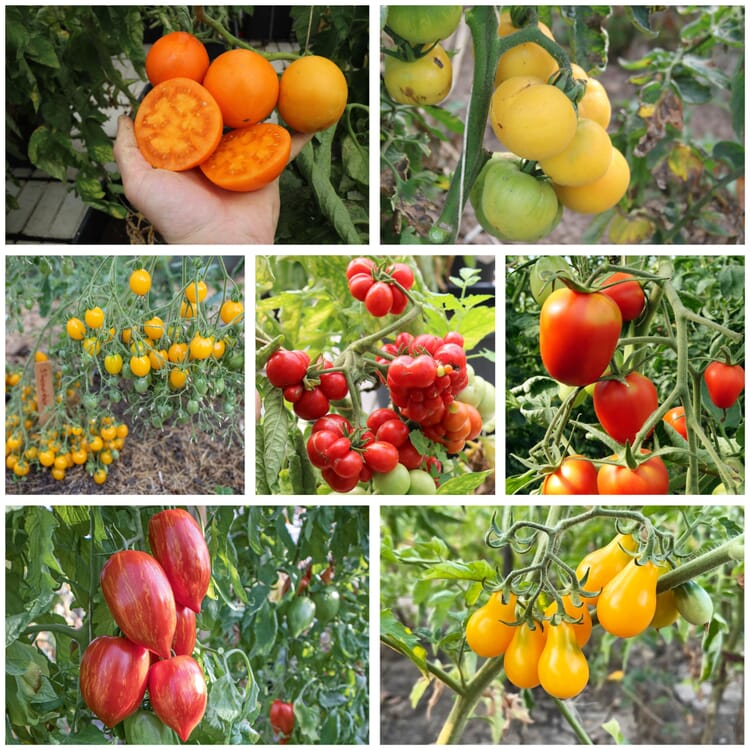
Originating in the Peruvian Andes, the tomato was brought to Europe by Columbus in 1498, but was not cultivated for consumption until the mid-18th century - before then it was considered an inedible ornamental plant. Since then, however, it has enjoyed great popularity, as reflected in countless varieties bred over time. This diversity is threatened, however, as almost only varieties that are uniform in shape and taste are now grown. Therefore, if you want to get to know a greater variety, you have to grow the proven varieties yourself, according to the motto: what is eaten is not forgotten. We offer such tasty varieties, as safely packed young plants. The plants are shipped - depending on the weather - from about the beginning of May.
For growing at the beginning of the year. Tomatoes for sowing


Claims

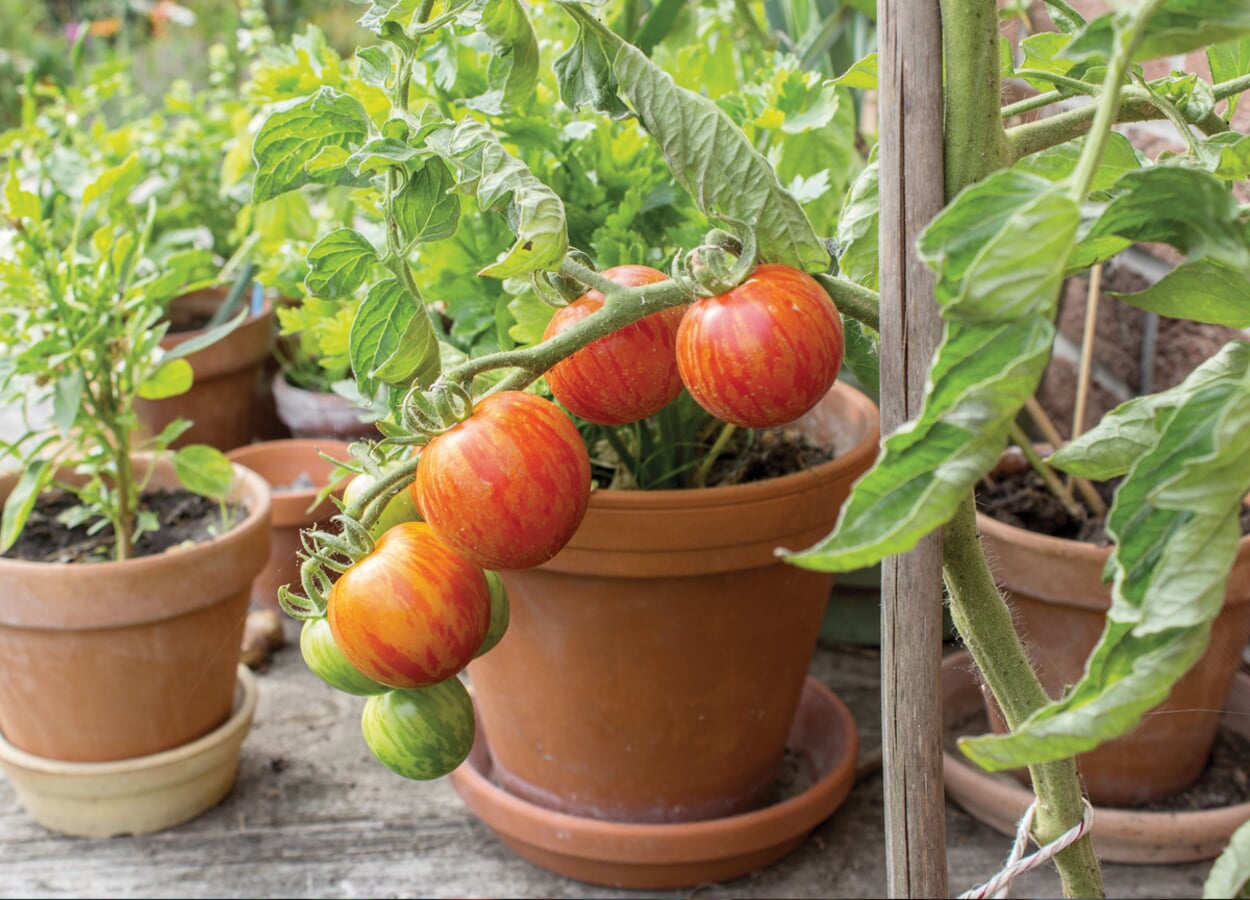
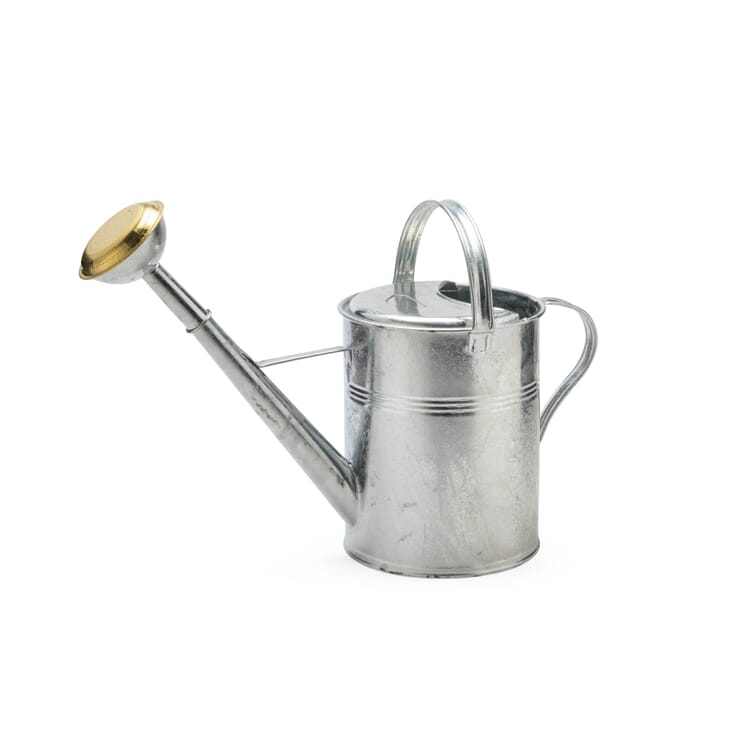
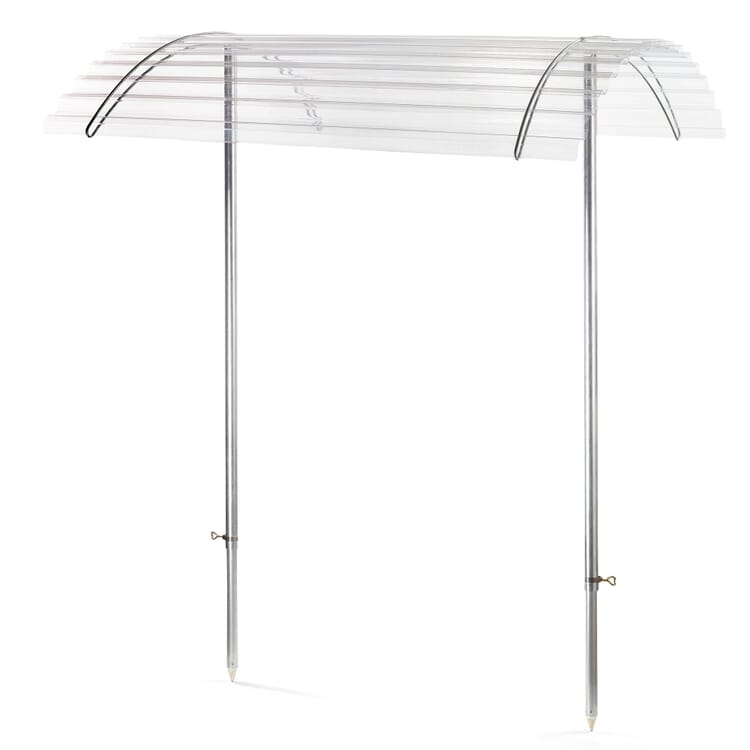
Tomatoes prefer a sunny, warm and wind-protected place. Unless they are resistant varieties that are naturally insensitive to Braunrot, the location must also be protected from rain (greenhouse, foil tunnel or tomato house). Often, even a place directly on the wall of the house provides adequate protection. The plants have a high water requirement and should be watered regularly. Potted plants require more frequent watering. To prevent infestation with fungal diseases, it is essential to ensure that the leaves are not wetted when watering.
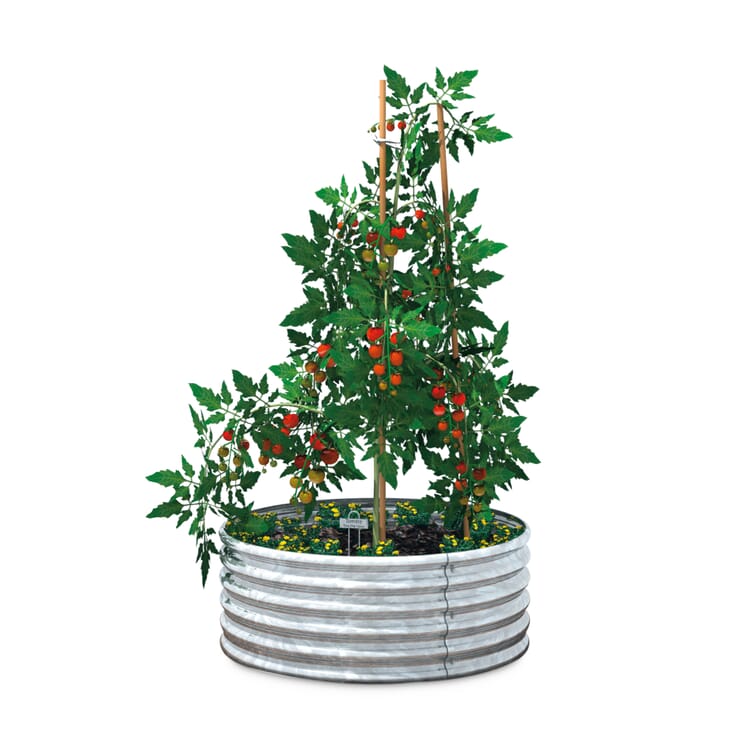
Tomatoes grow continuously throughout the summer half-year, constantly forming new leaves, flowers and fruits. Therefore, they have high nutrient needs, should be planted in humus, calcareous soil, well supplied with organic fertilizer and compost, and fertilized several times (liquid) during the season. For good fruit ripening, tomatoes should be provided with a fertilizer rich in potassium. Very good are also mulch layers of nettle or comfrey.