Materials Science
Spandex. Comfortable with every movement


Elastane is a synthetic fiber composed of the plastics polyurethane and polyethylene glycol. It was developed in 1959 by the textile chemist Joseph Shivers. Today, it is produced worldwide and is primarily used in combination with other fibers to increase the elasticity and dimensional stability of the textiles made from it. The material is also known as “elastane fiber,” “Spandex,” and “Lycra,” among other names.
The Properties of Spandex
Textiles containing spandex are comfortable to wear thanks to its elastic properties. This allows the fabric to conform perfectly to the body while providing maximum freedom of movement. This stretchy fiber is therefore extremely popular in athletic wear. But it also provides exceptional comfort in everyday clothing such as jeans, sweaters, dresses, underwear, hosiery, and leggings. The material also offers other impressive benefits:
- Thanks to its durable tear resistance and shape retention, elastane is extremely robust and durable.
- Just like the fiber itself, the fabric is very smooth, making it gentle on the skin and less prone to pilling.
- In addition, the material is incredibly thin, very fine, and feels incredibly soft. These properties are particularly beneficial in lightweight garments such as our sheer tights.
- Spandex also absorbs very little moisture, which is why it dries quickly.
Care Instructions
High temperatures can cause the fibers to break and become visible as white threads. Gentle wash cycles without a spin cycle, at temperatures not exceeding 40 °C, are perfectly sufficient. Since garments containing elastane are not prone to wrinkling anyway, ironing is rarely necessary. Also, avoid fabric softener. It damages the fibers and negatively affects the garment’s shape retention. And do not use the dryer to prevent your garments from shrinking.
Many synthetic fibers are derived from petroleum and are therefore not biodegradable. In addition, microparticles are released with every wash cycle; these cannot be completely filtered out by wastewater treatment plants and thus enter the natural water cycle. Laundry bags specially designed for this purpose help filter out the microparticles so they can then be disposed of in the general waste. Since there is currently no sustainable alternative to spandex, we take great care in our products to keep the proportion of this fiber as low as possible and to give preference to natural and recycled materials.
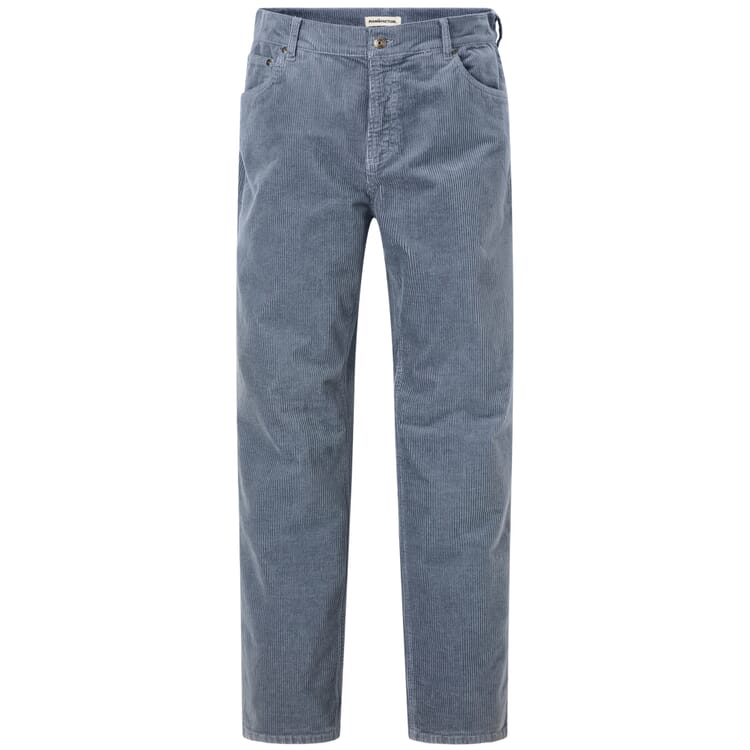
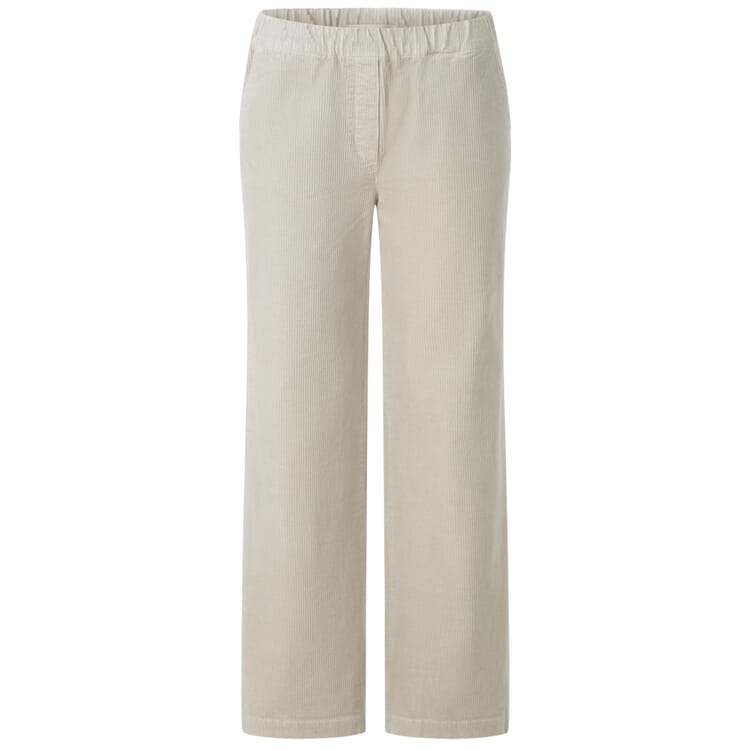
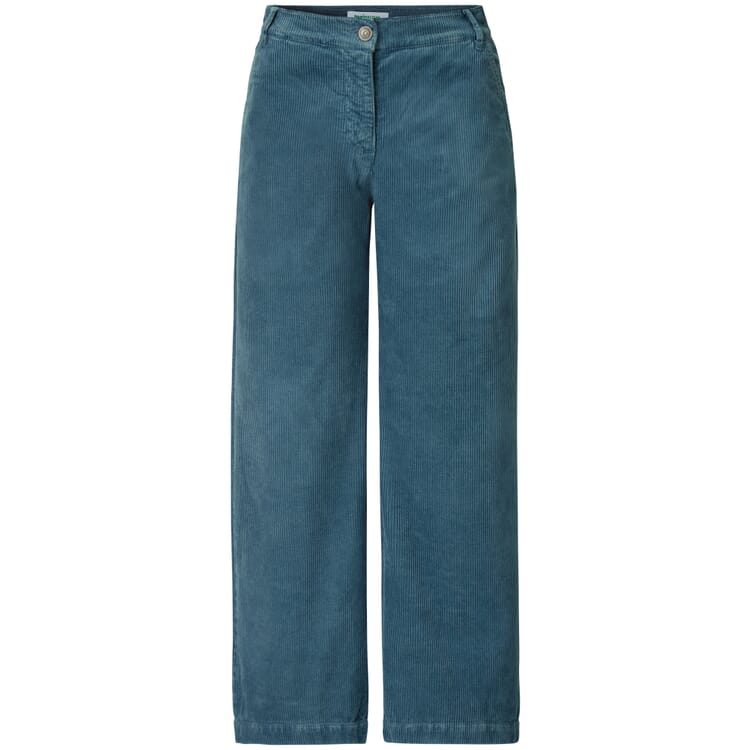
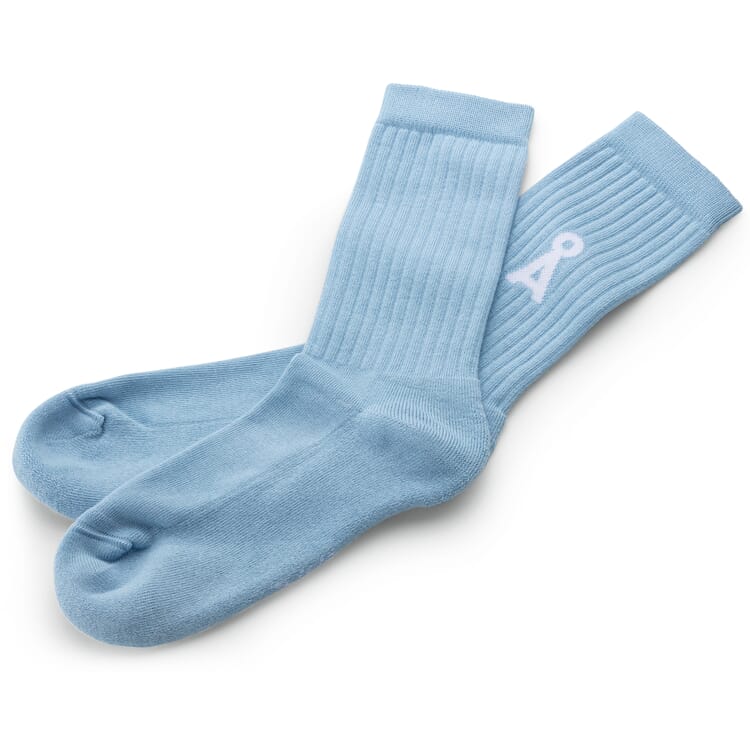
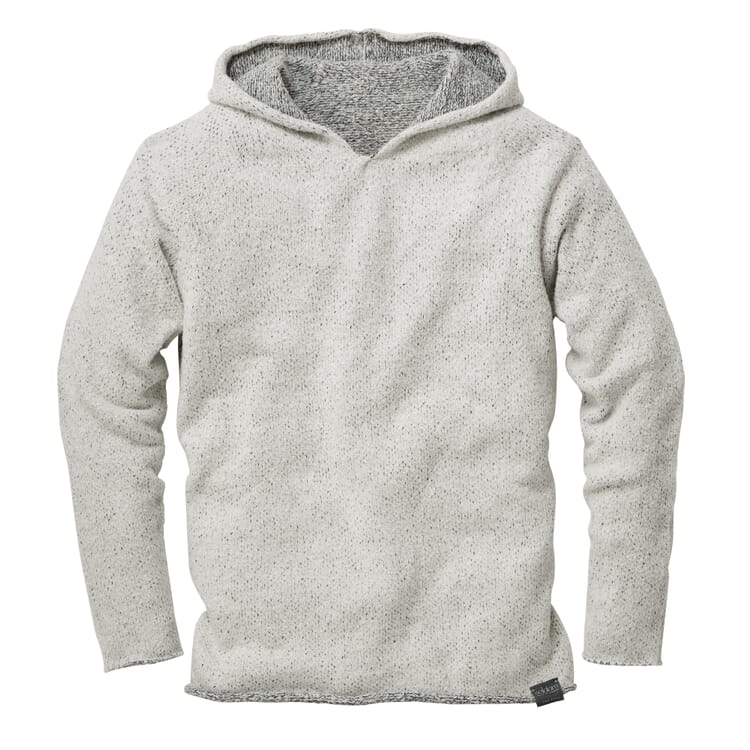
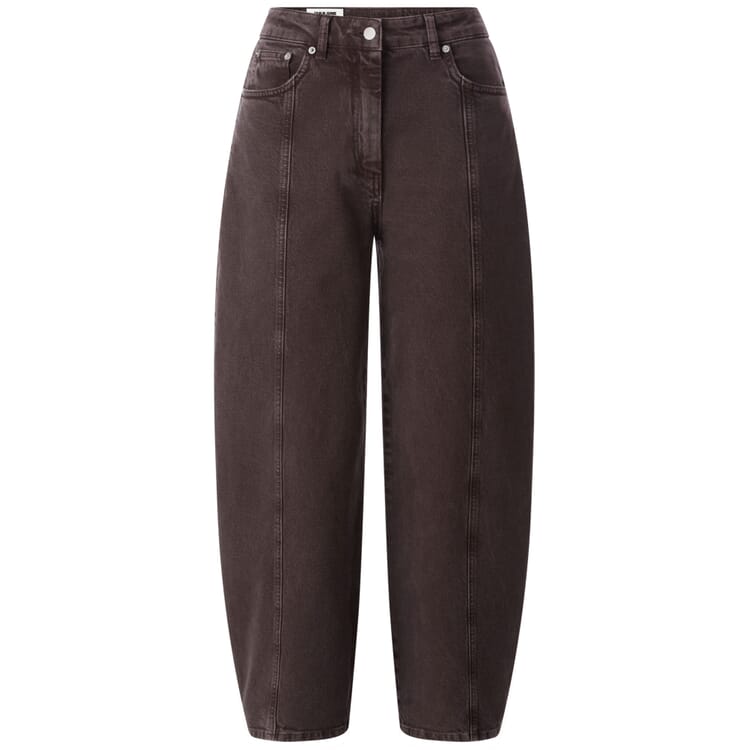
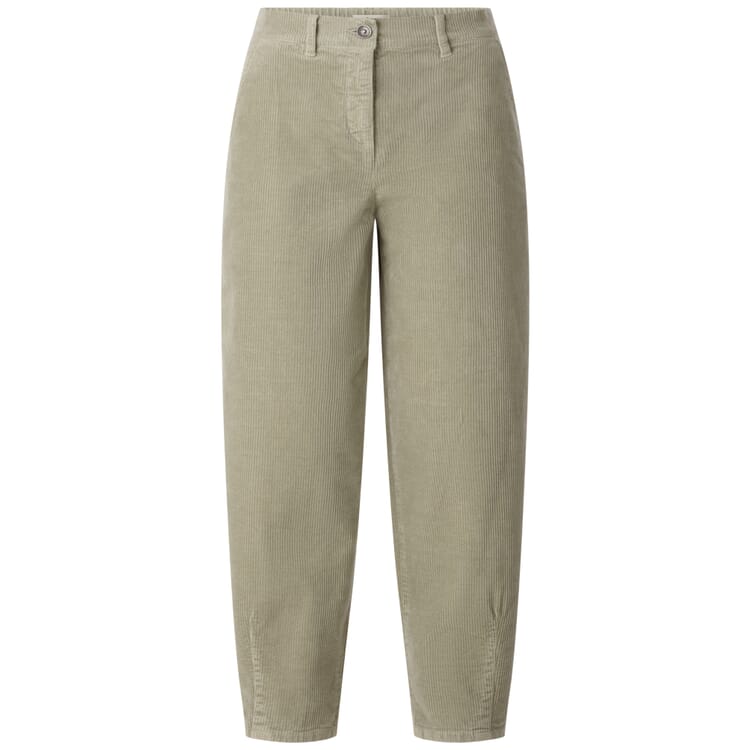
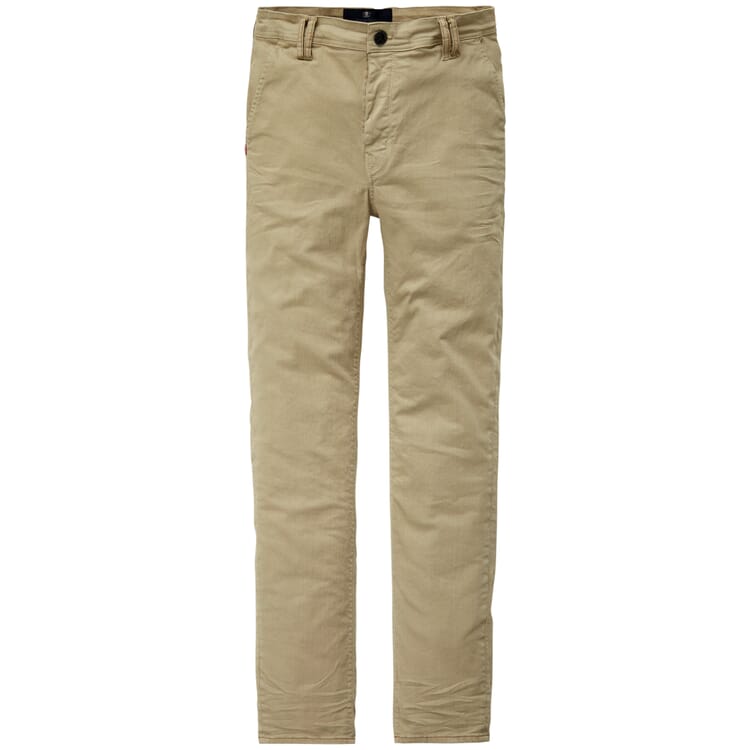
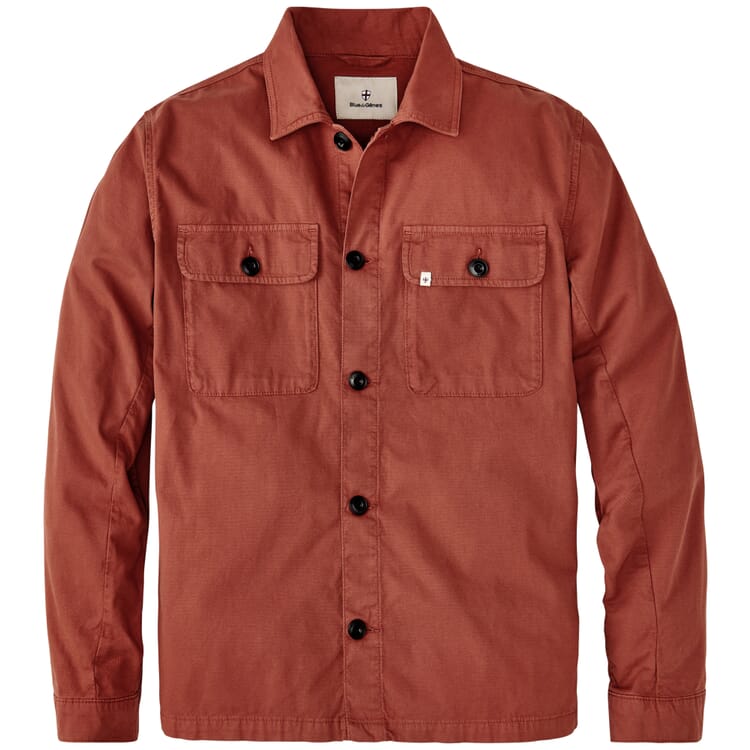
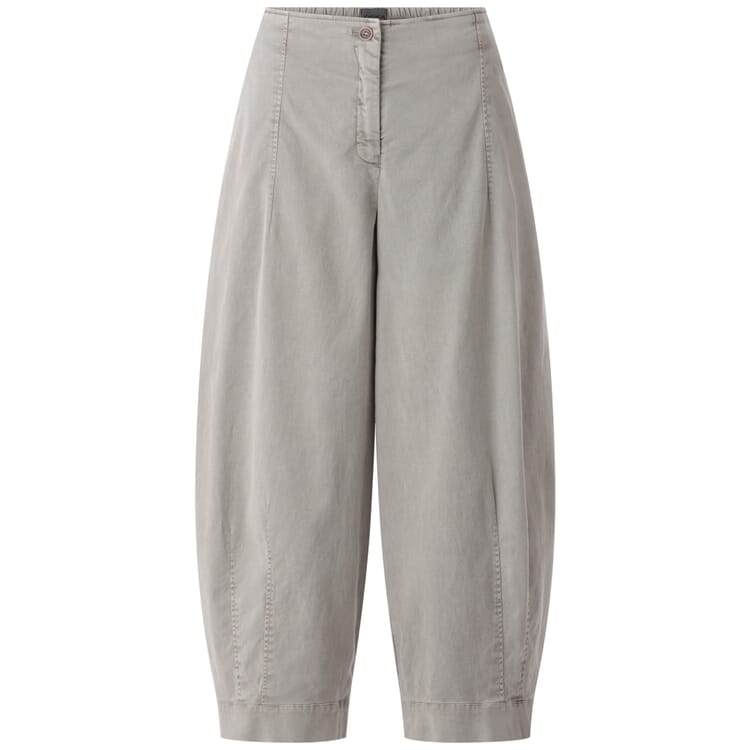
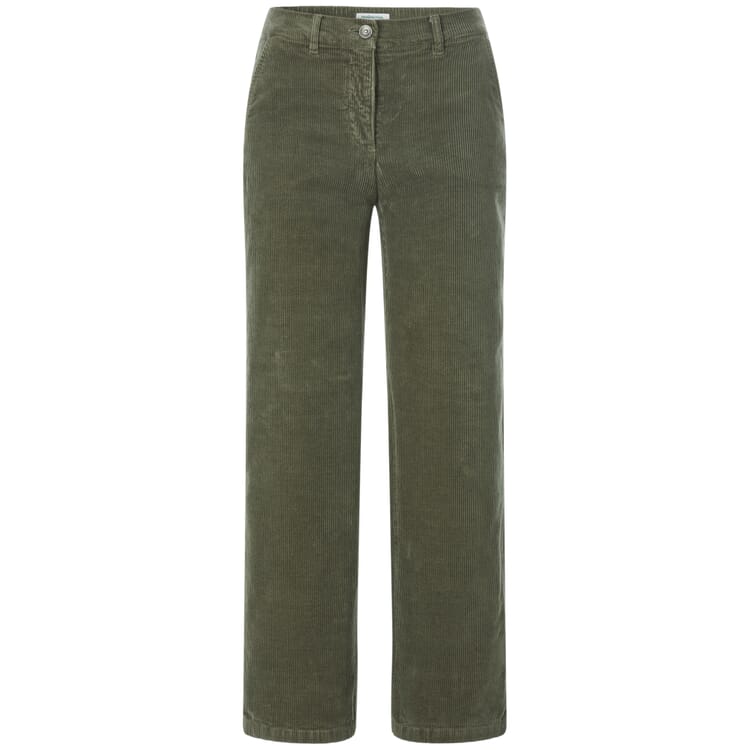
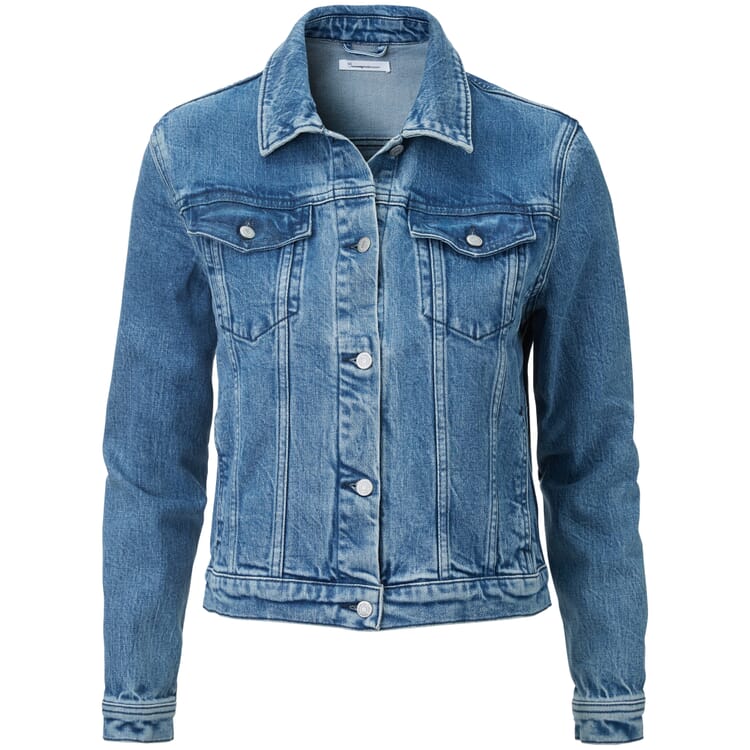
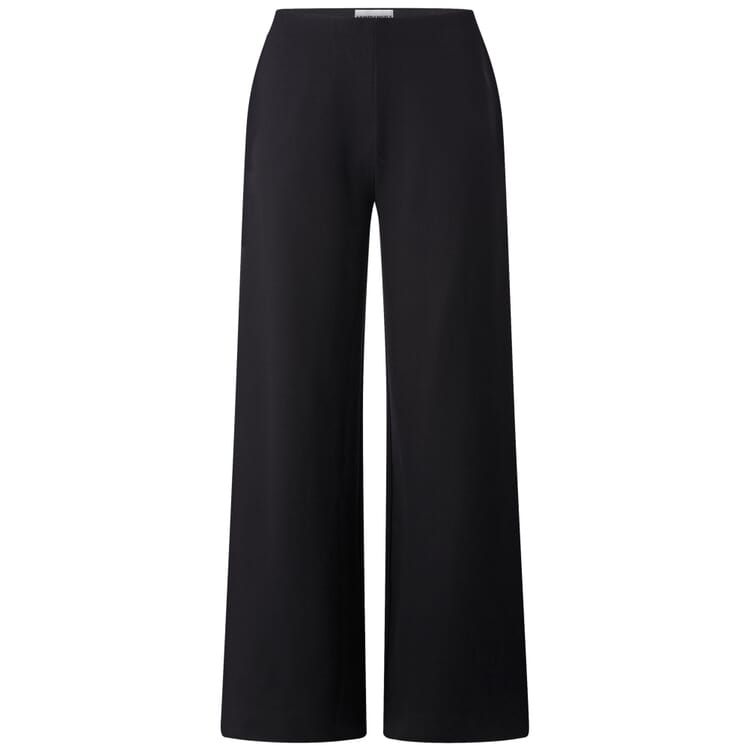
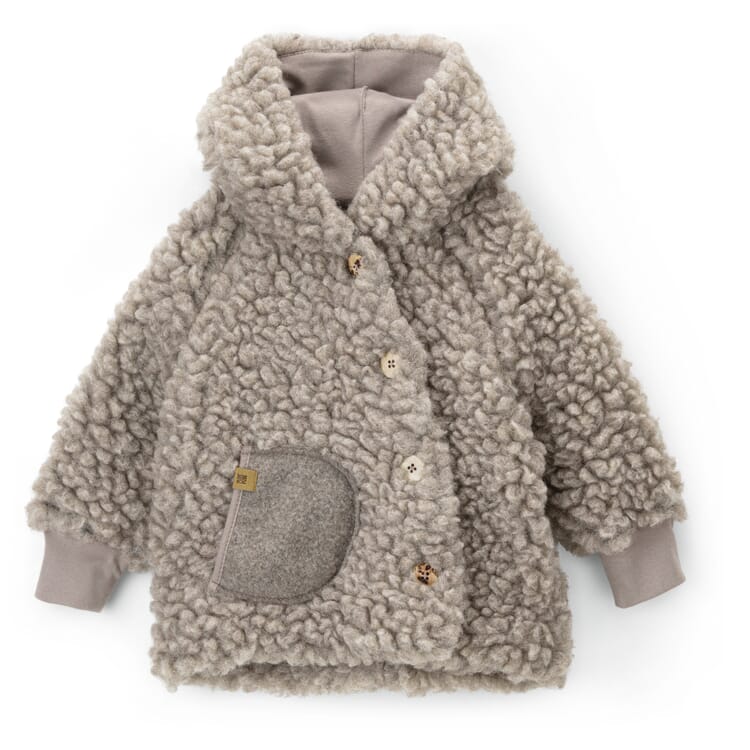
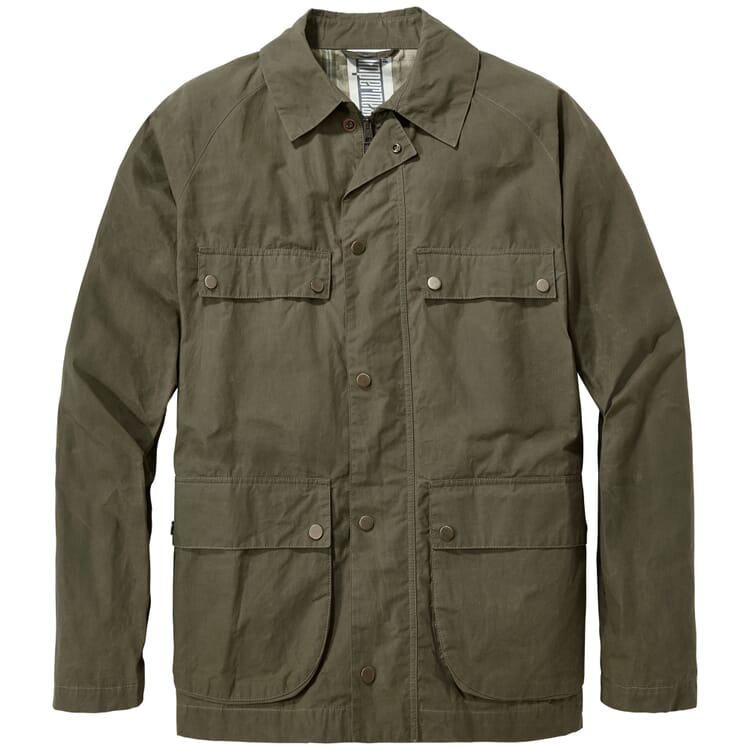
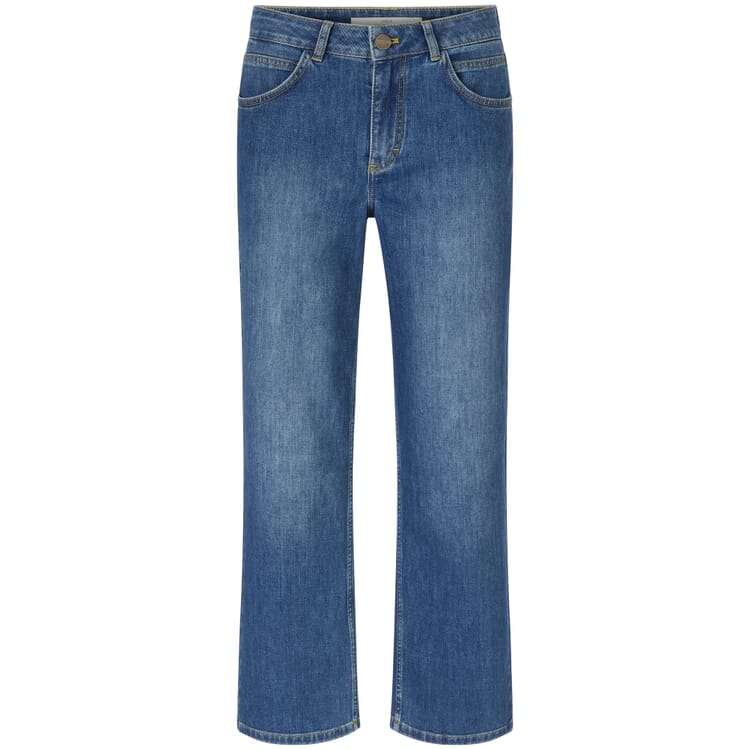
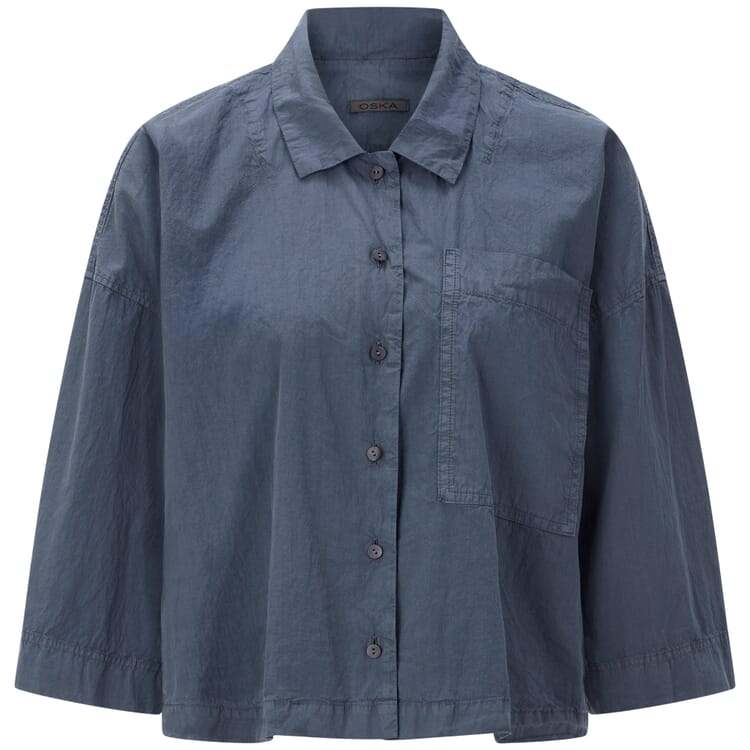
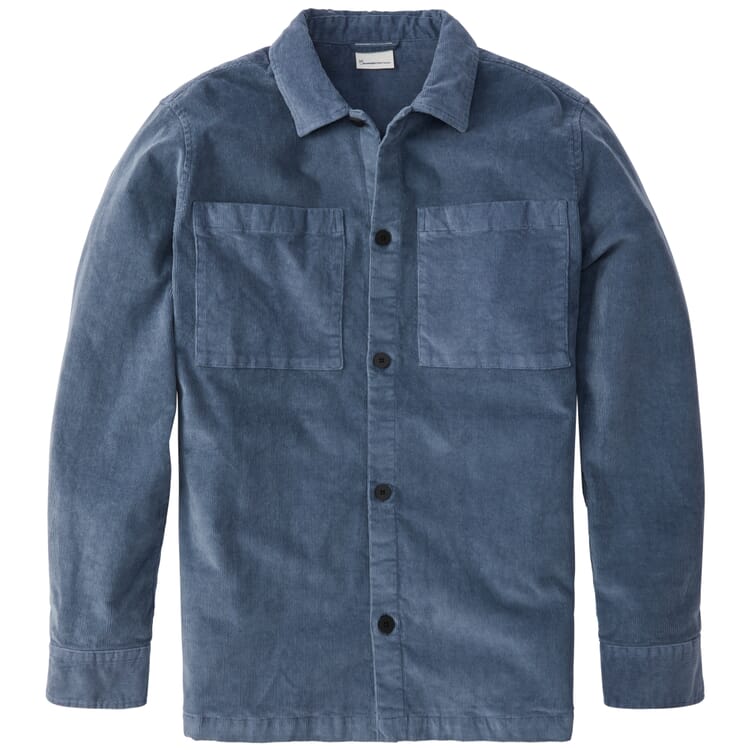
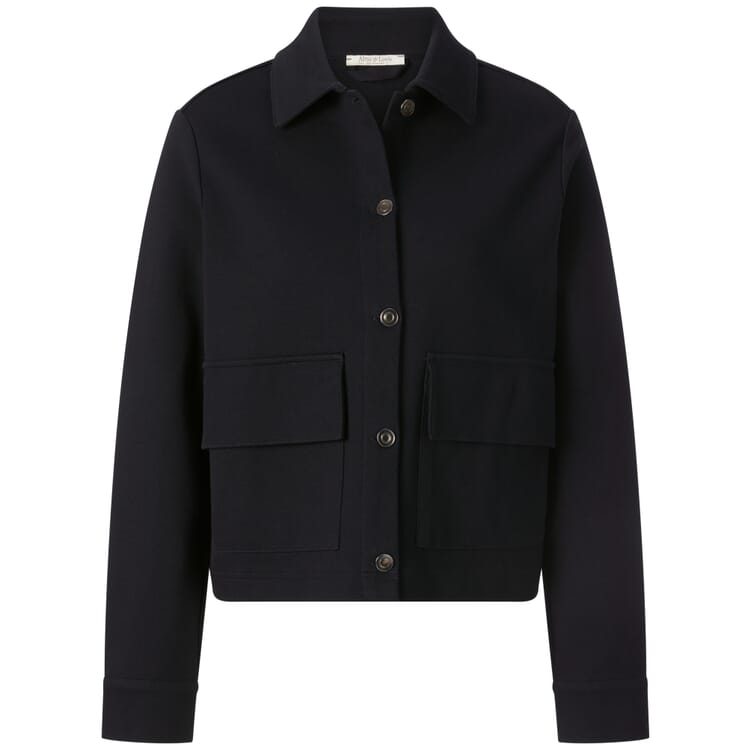
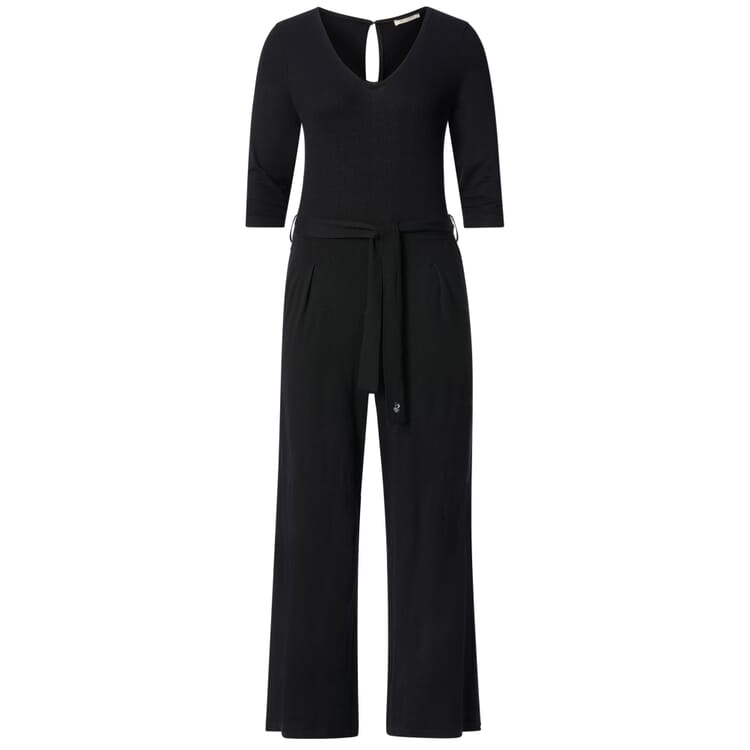
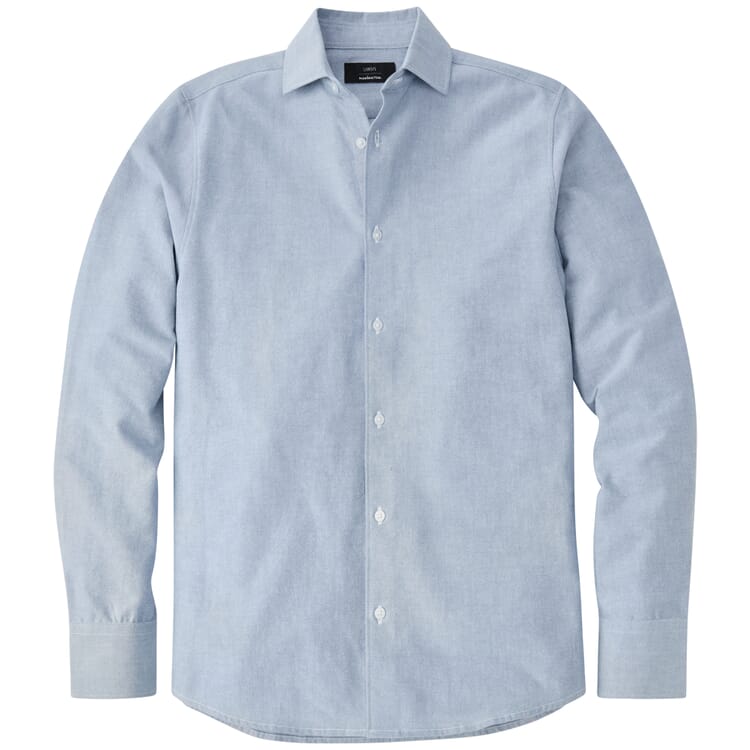
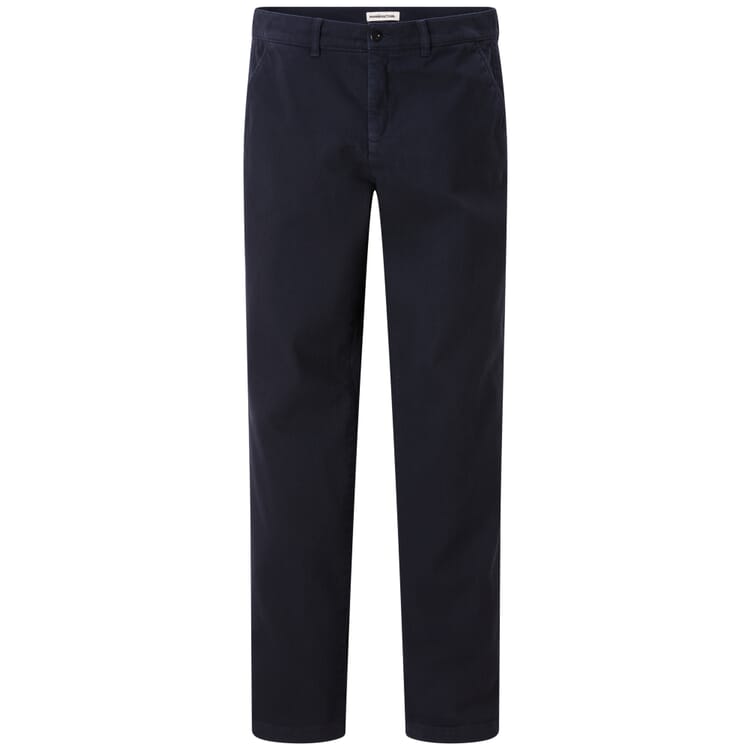
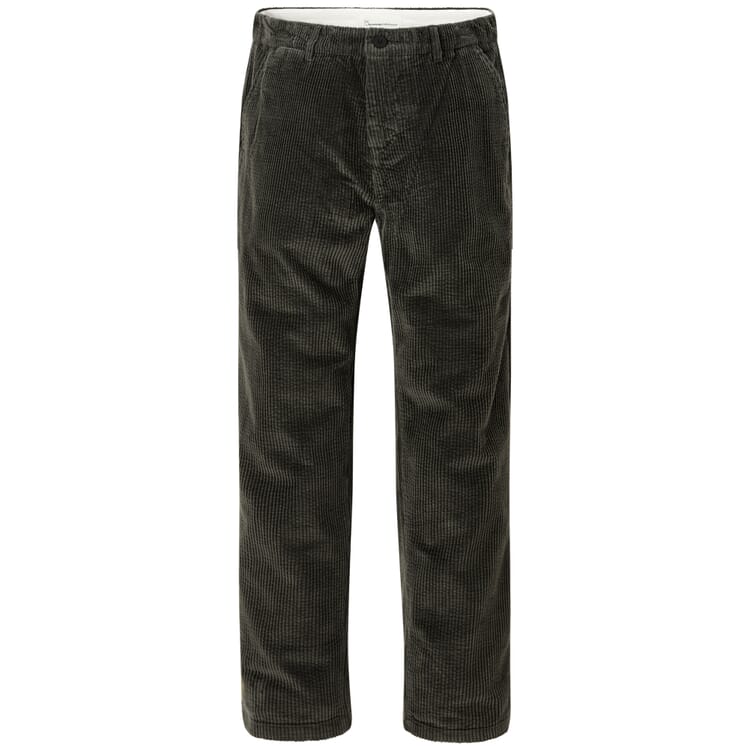
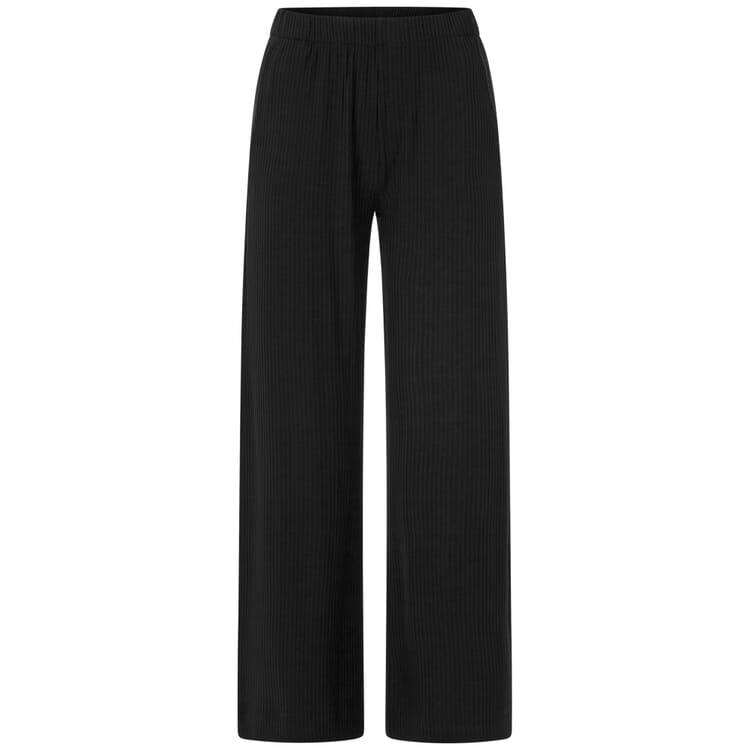
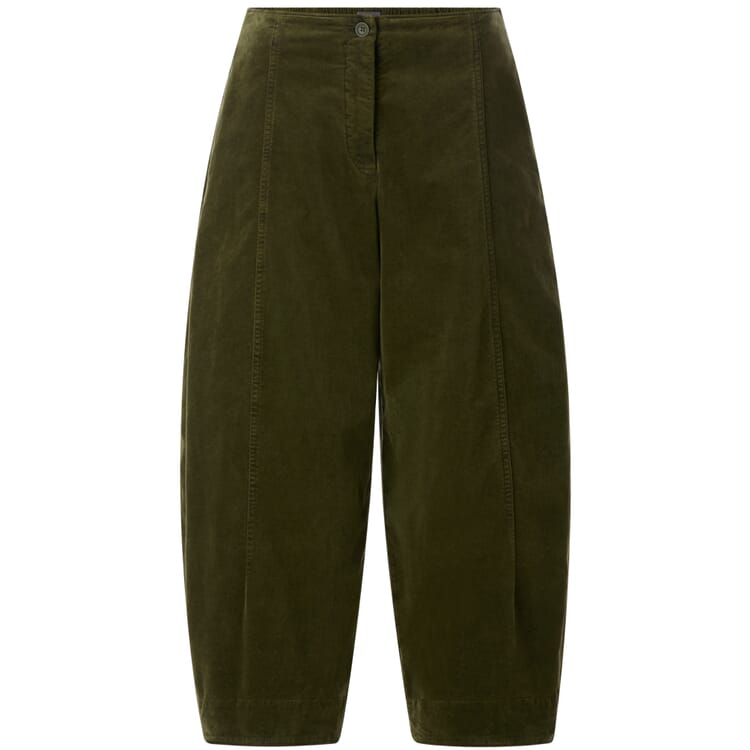
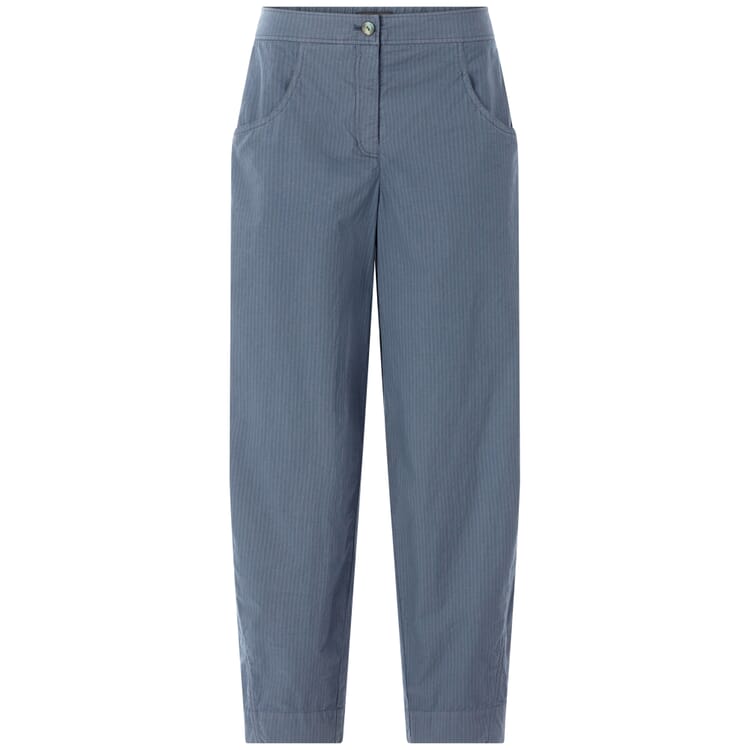
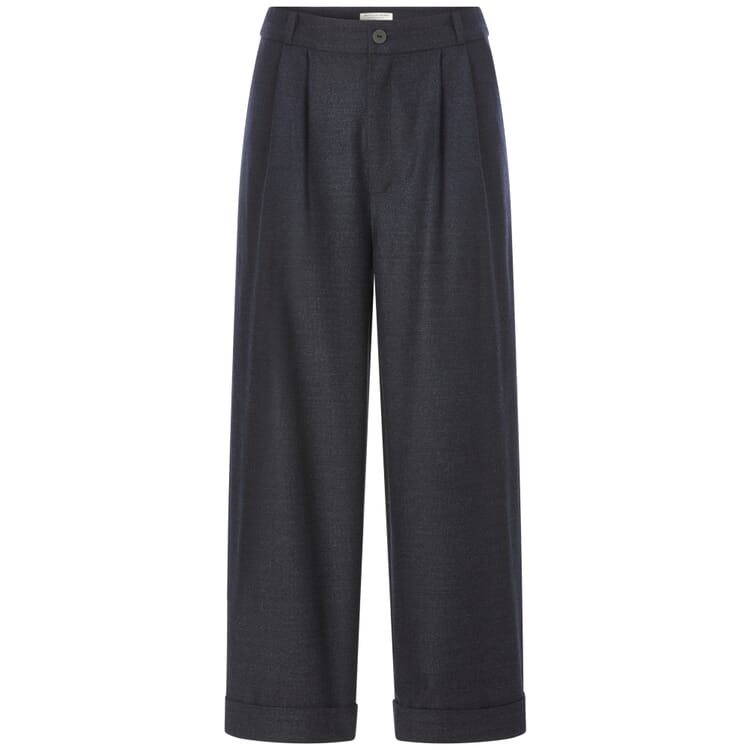
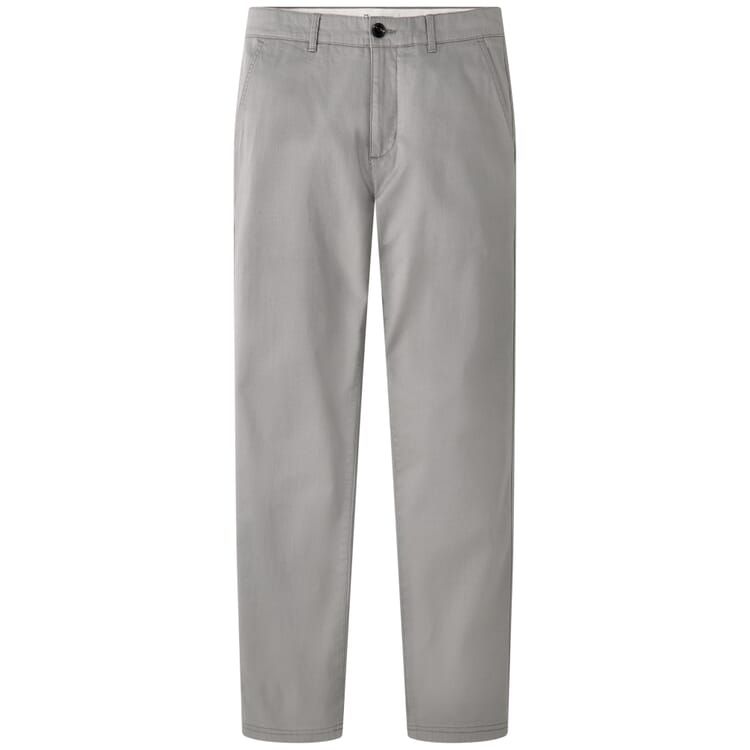
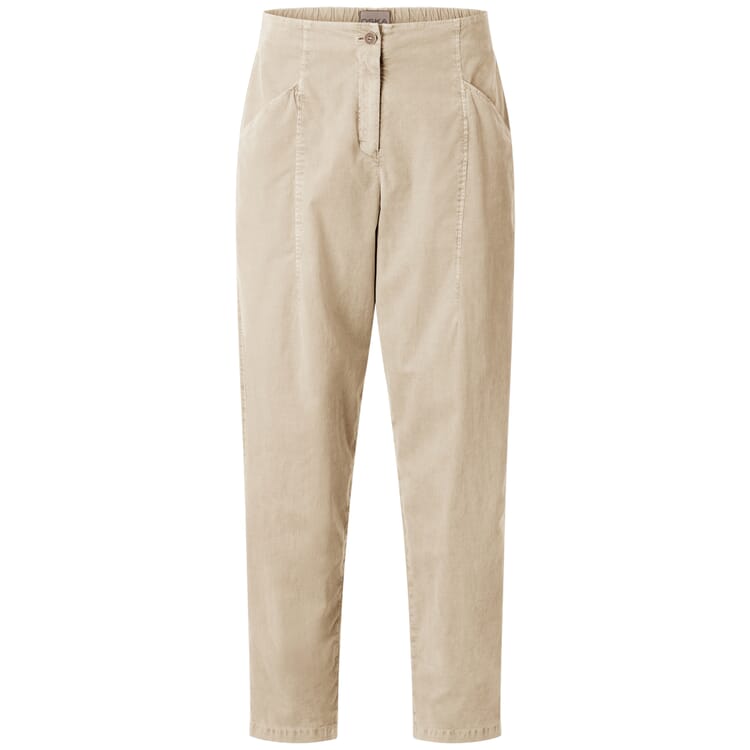
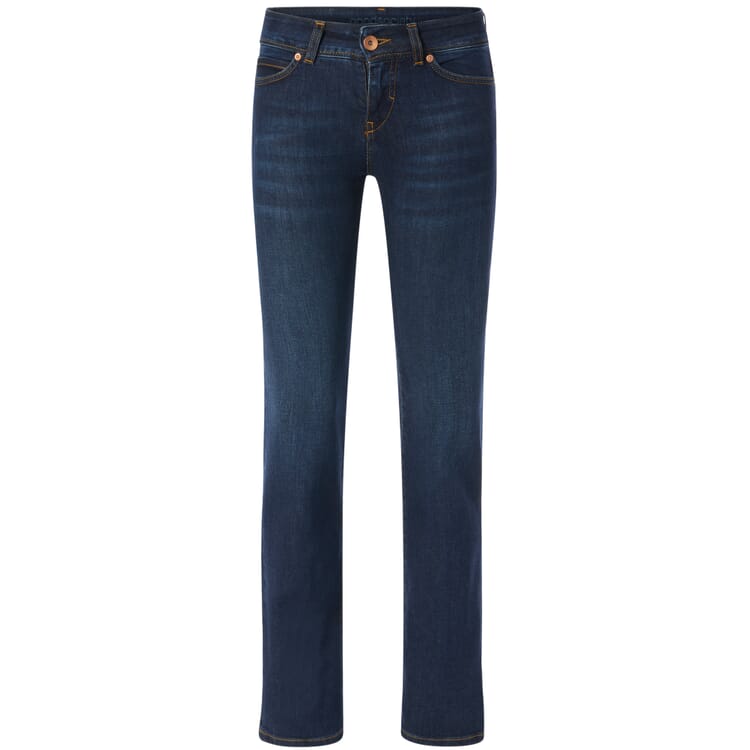
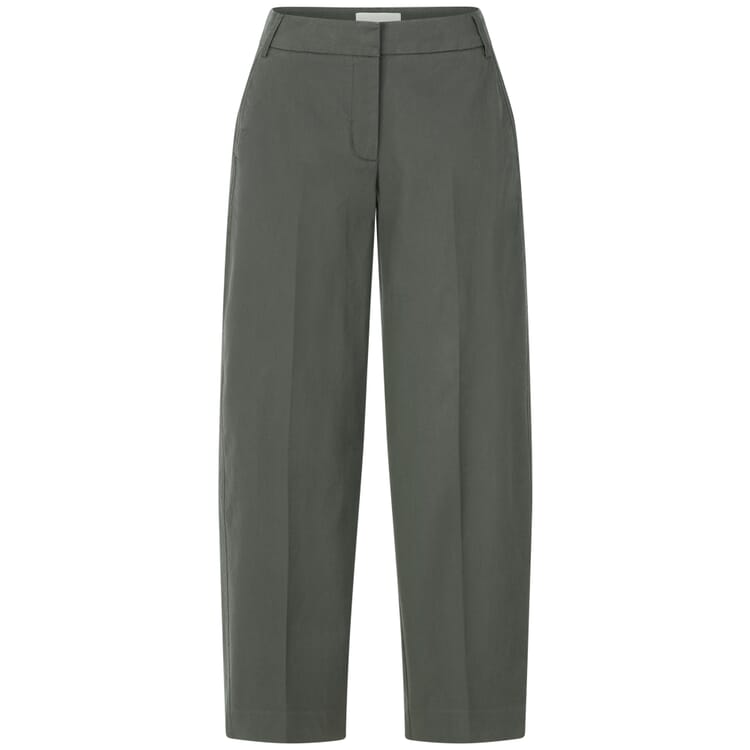
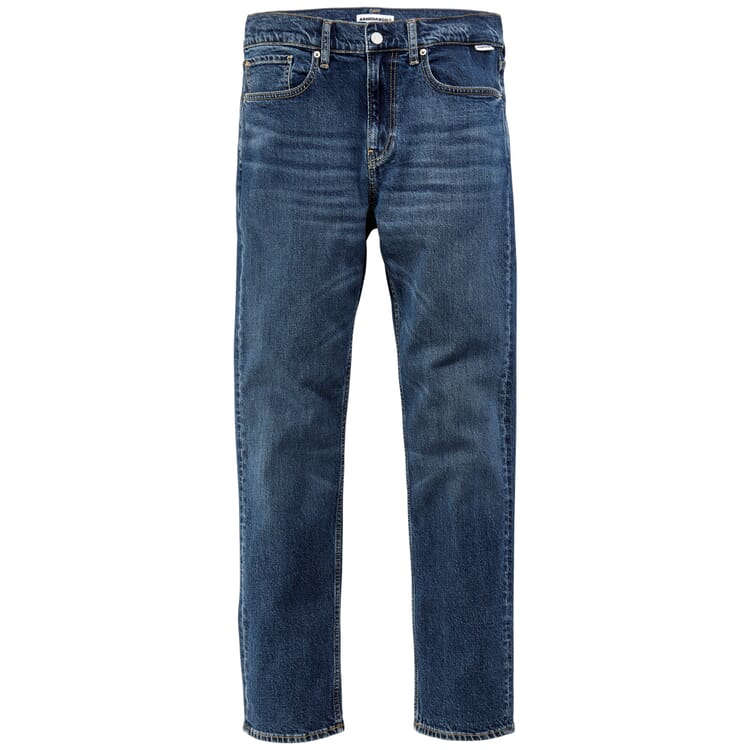
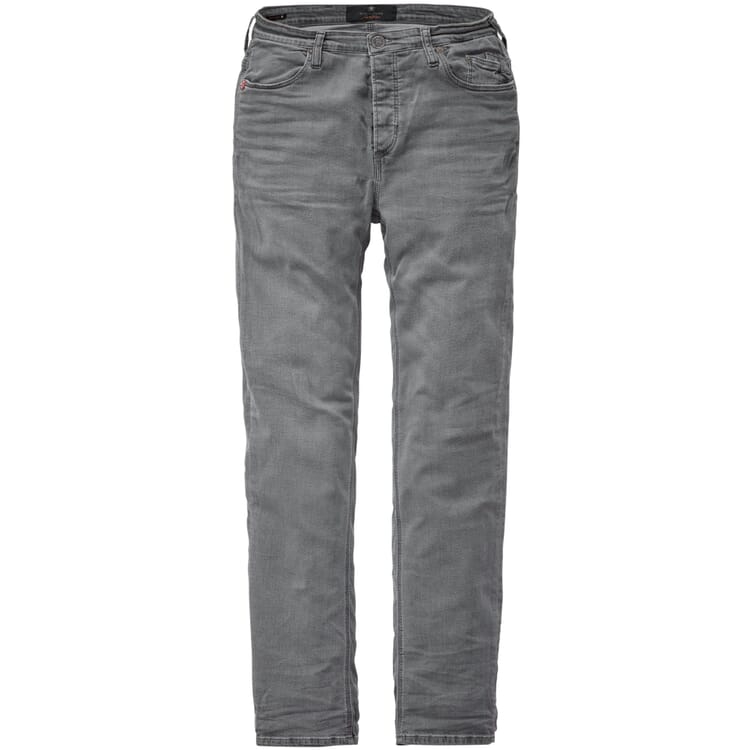
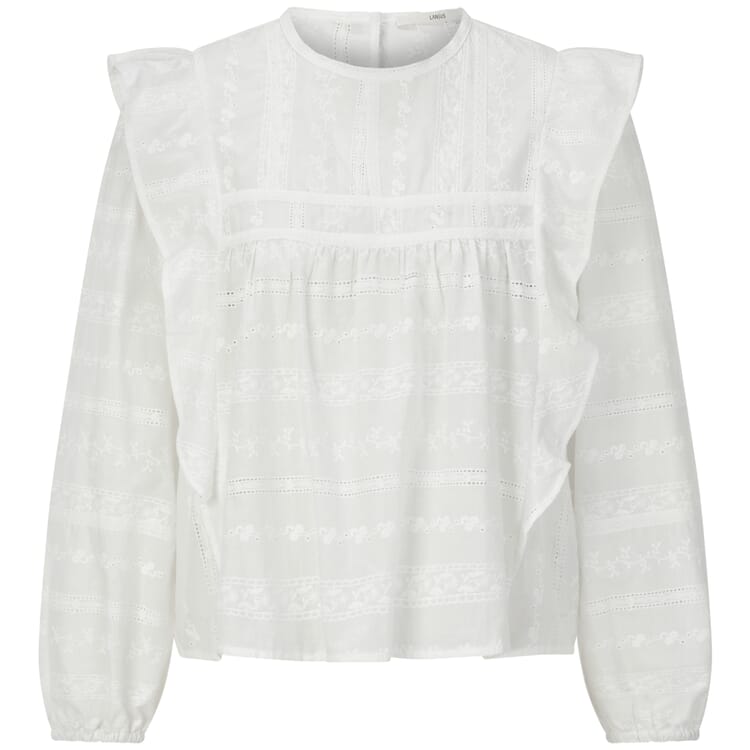
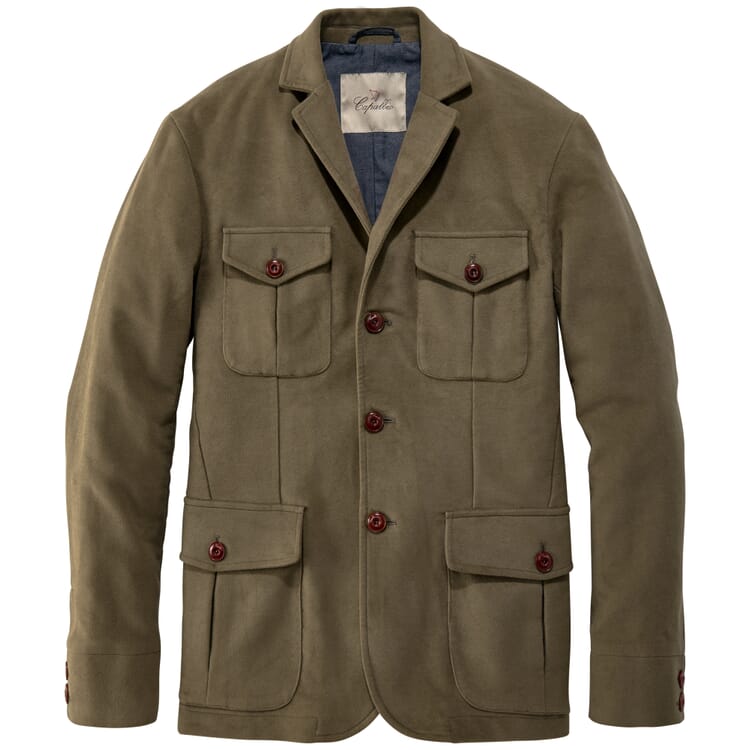
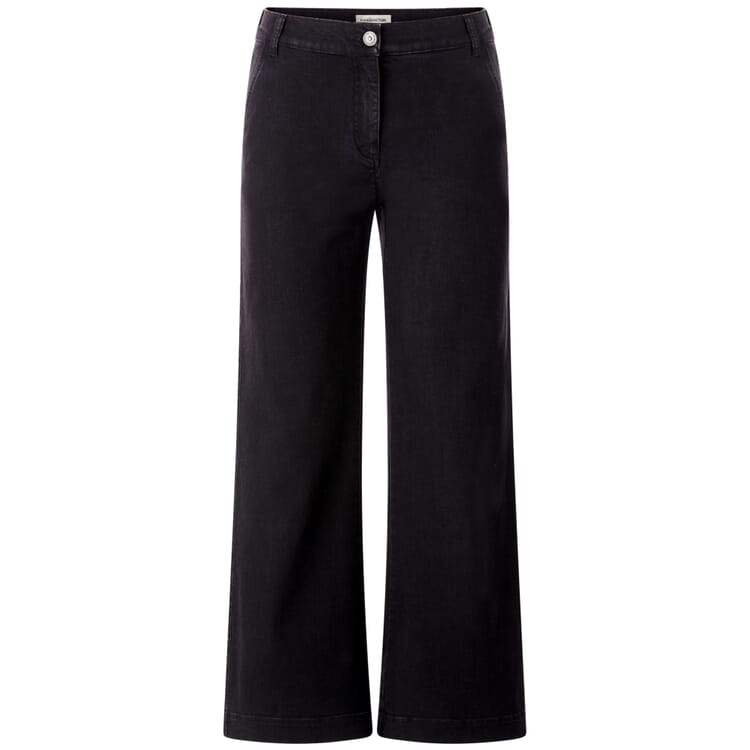
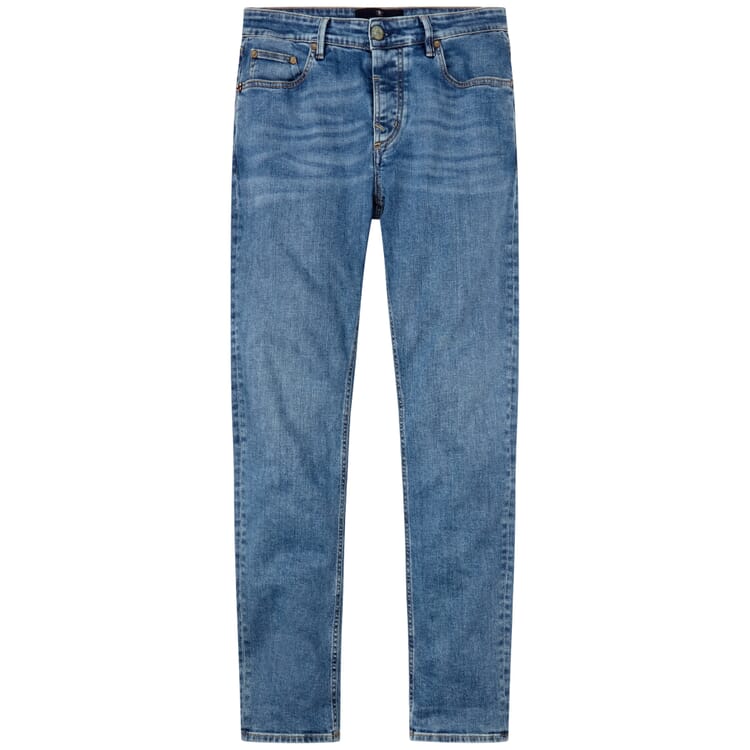
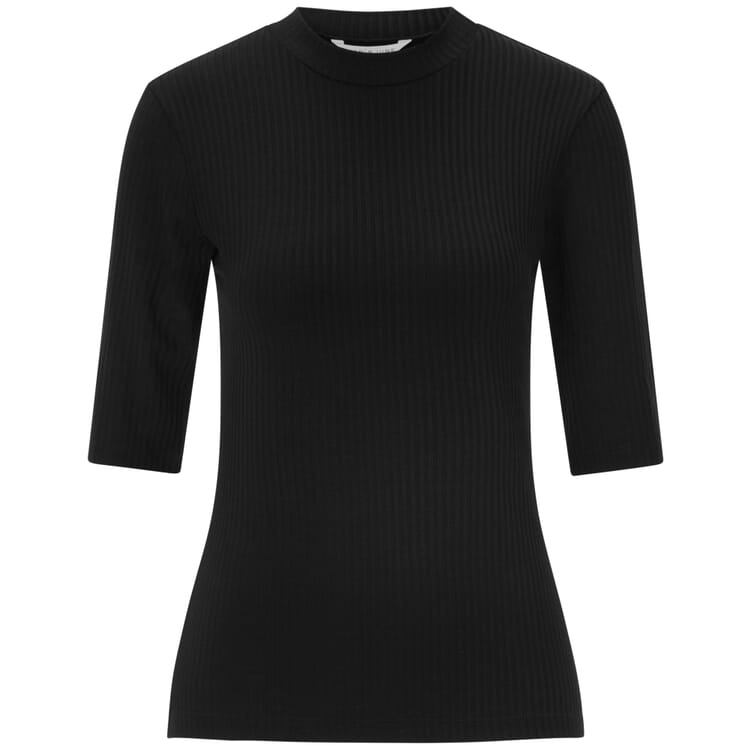
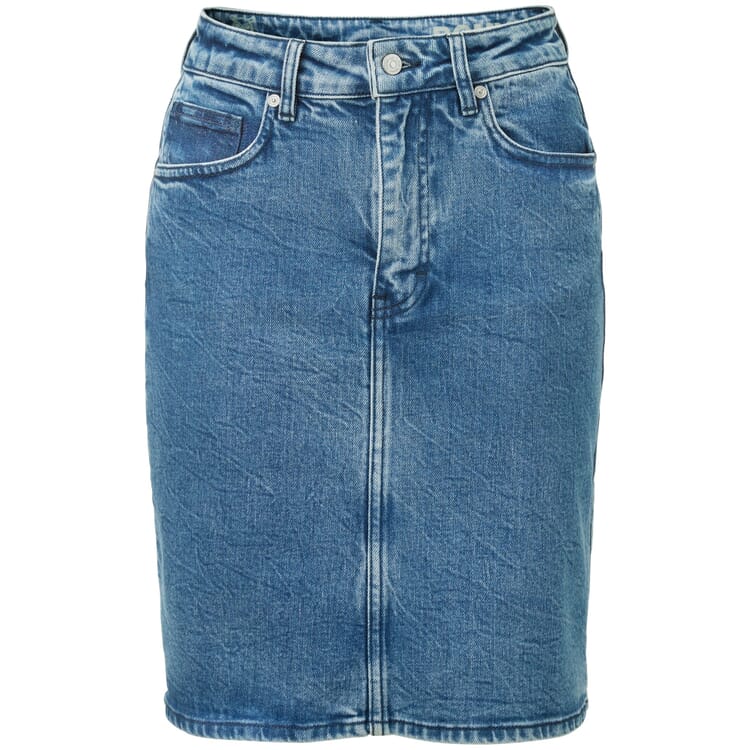
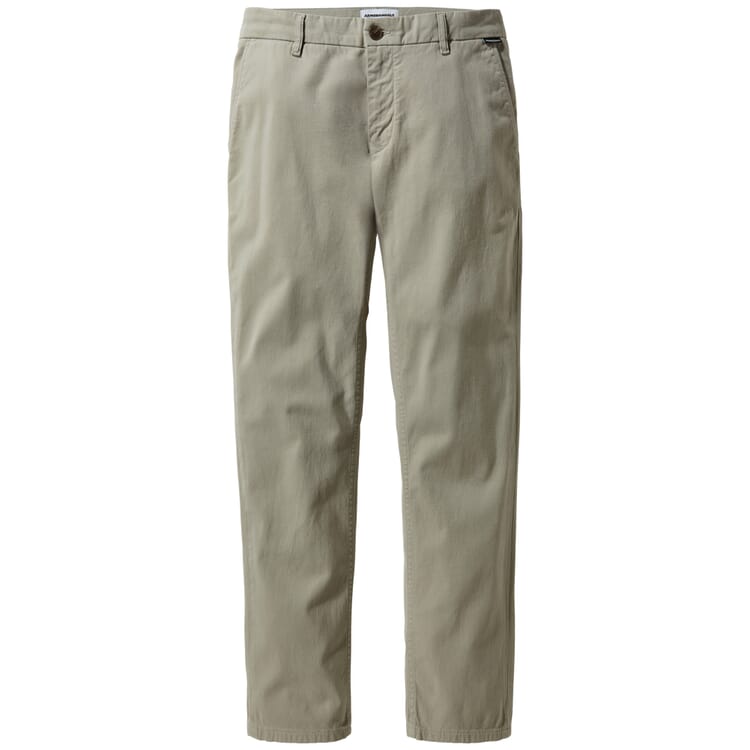
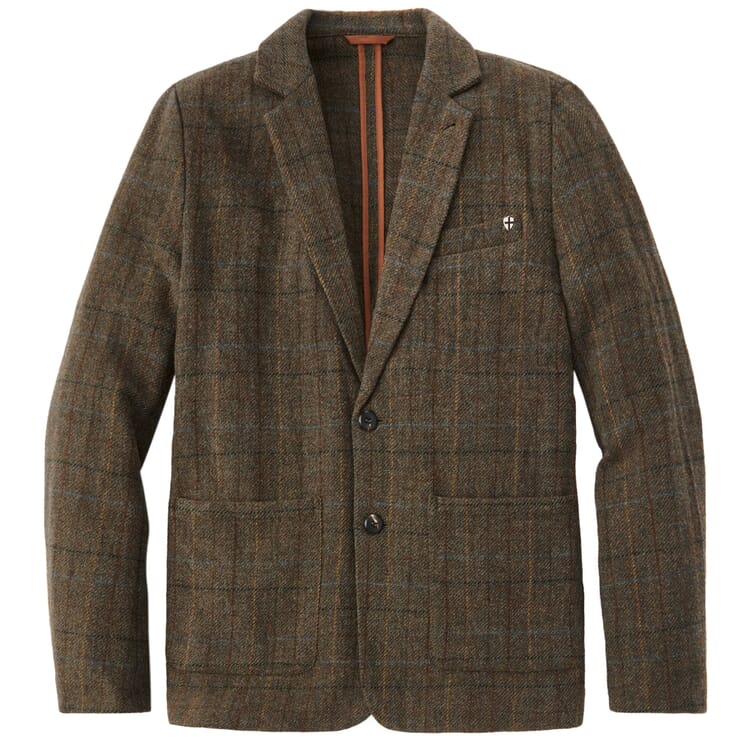
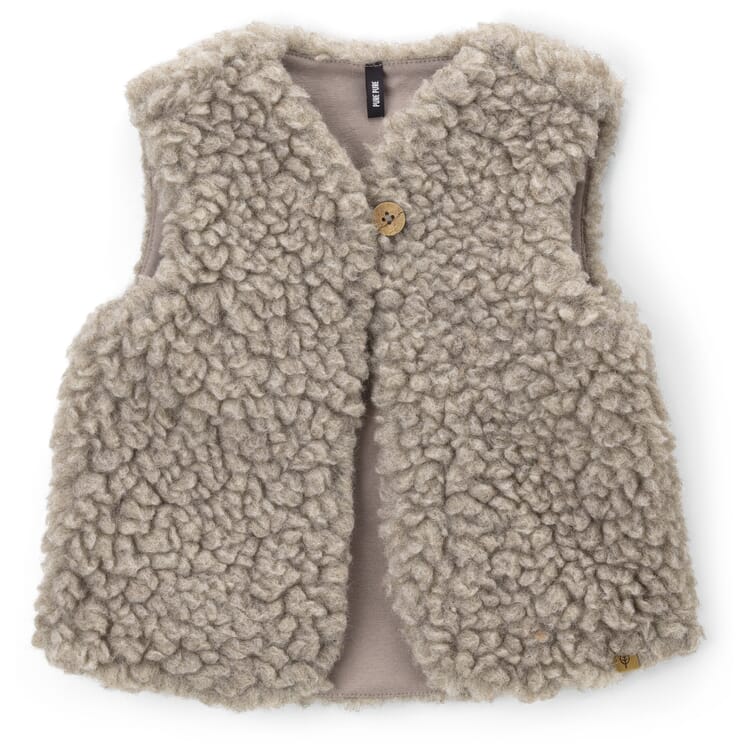
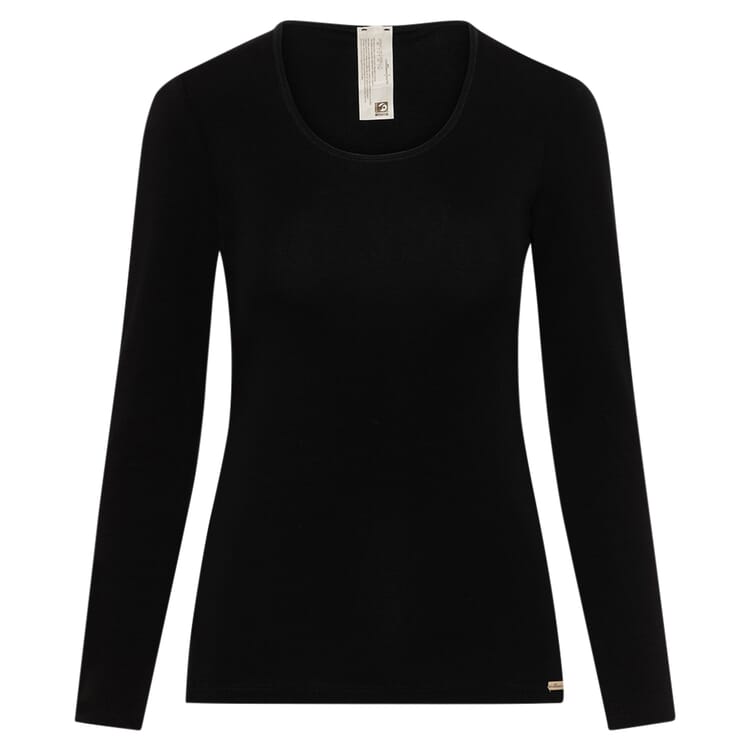
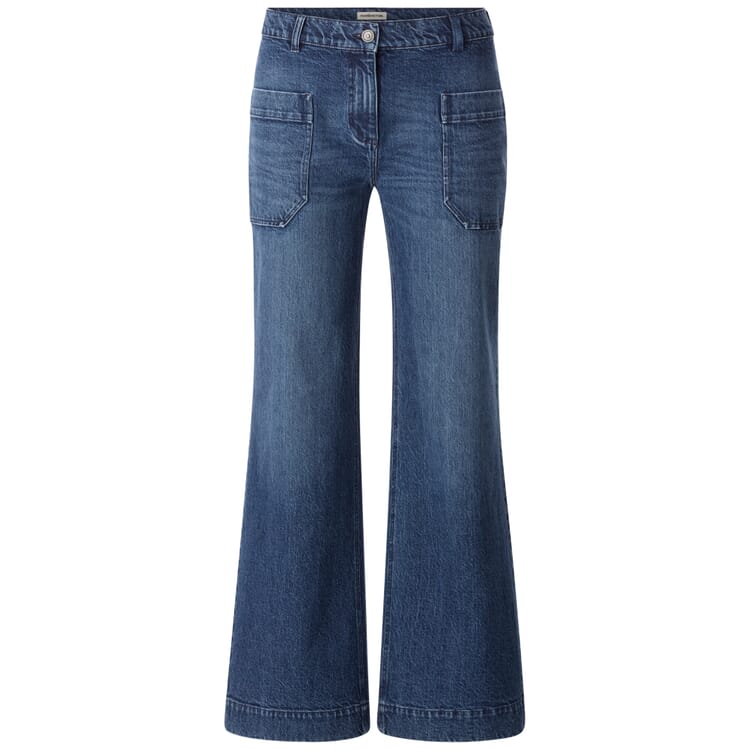
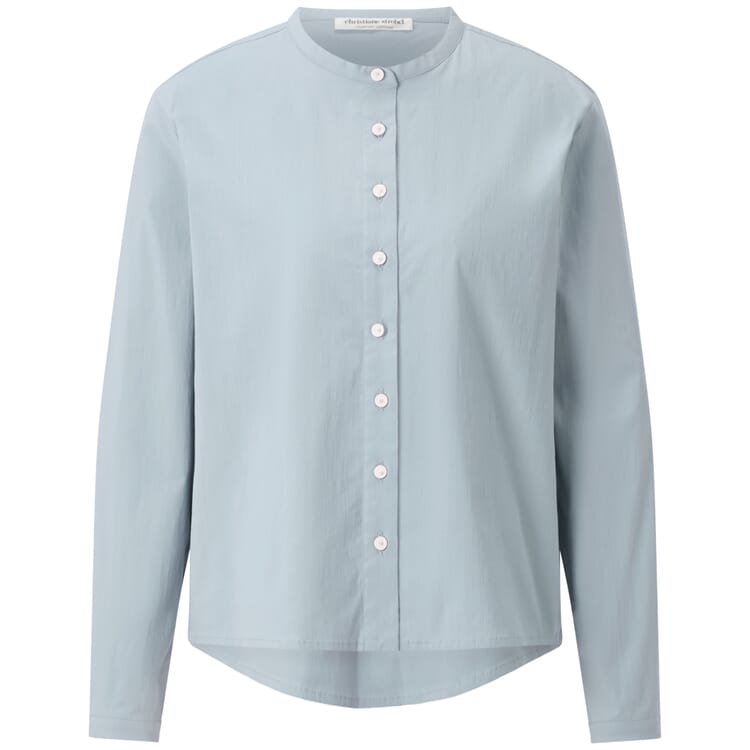
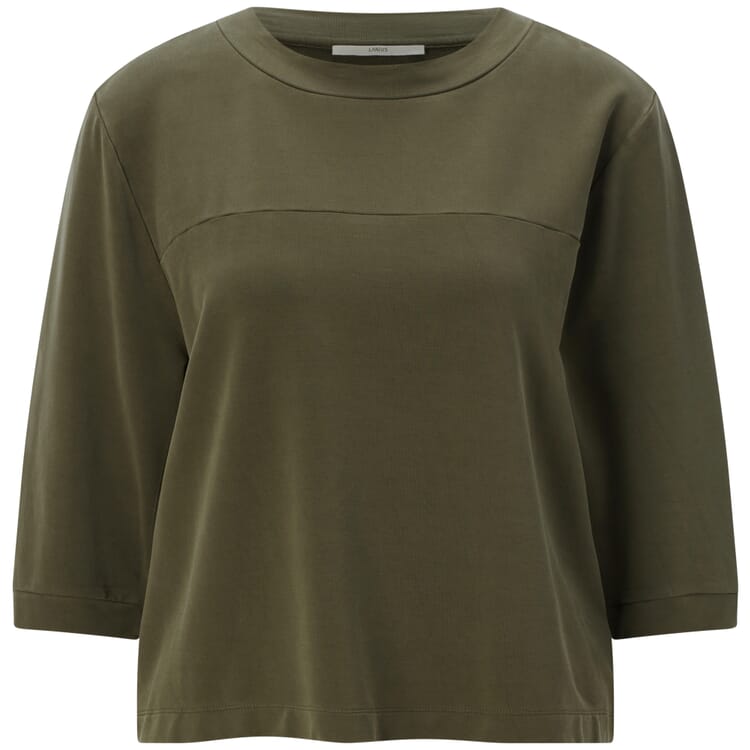
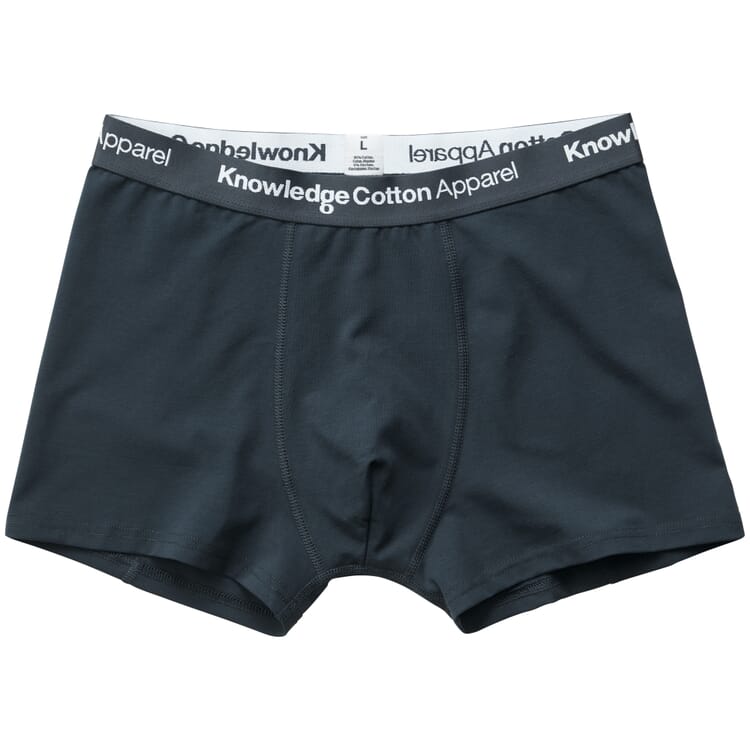
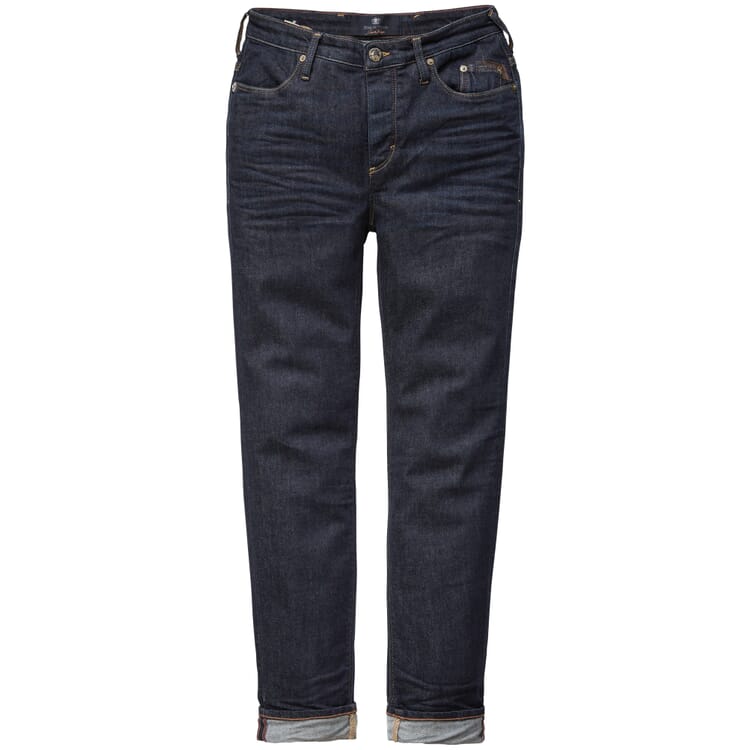
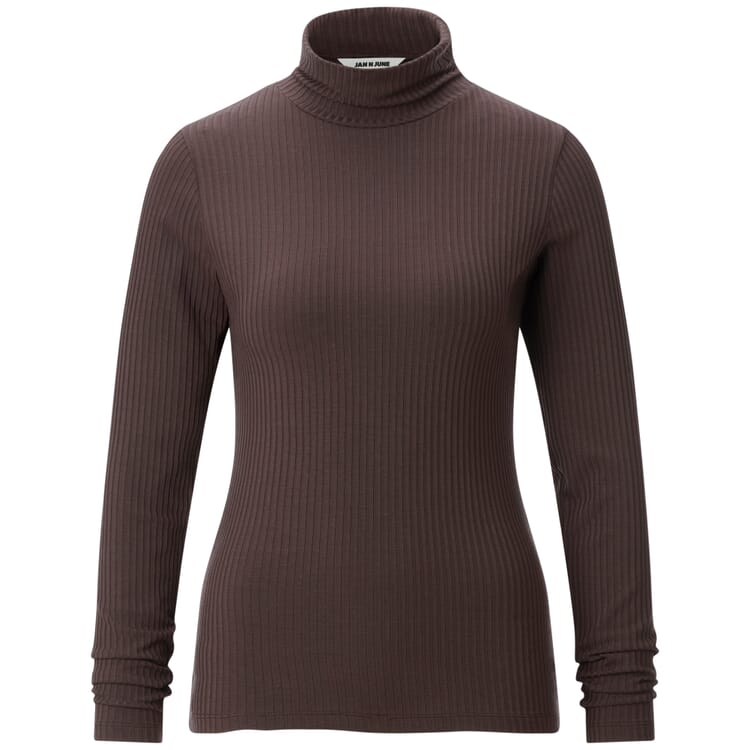
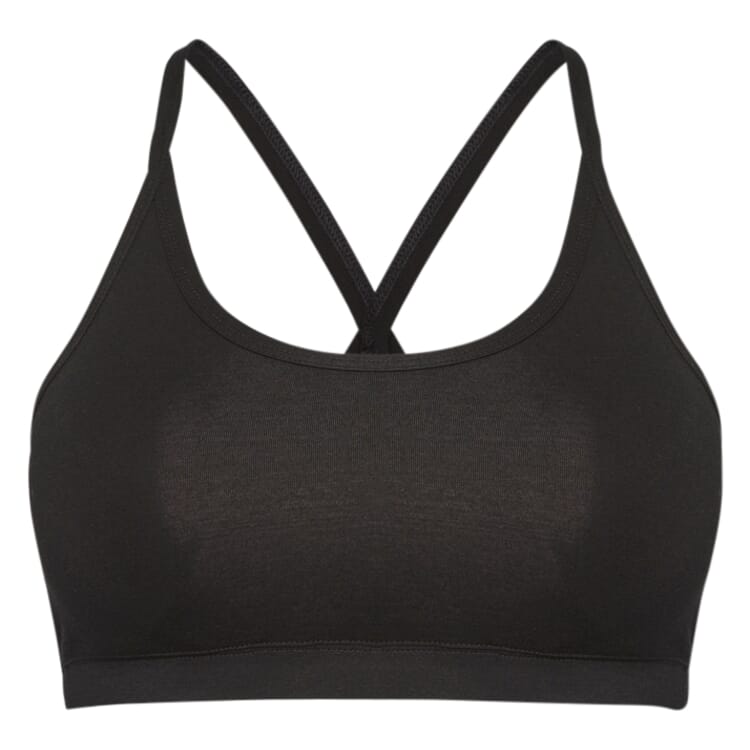
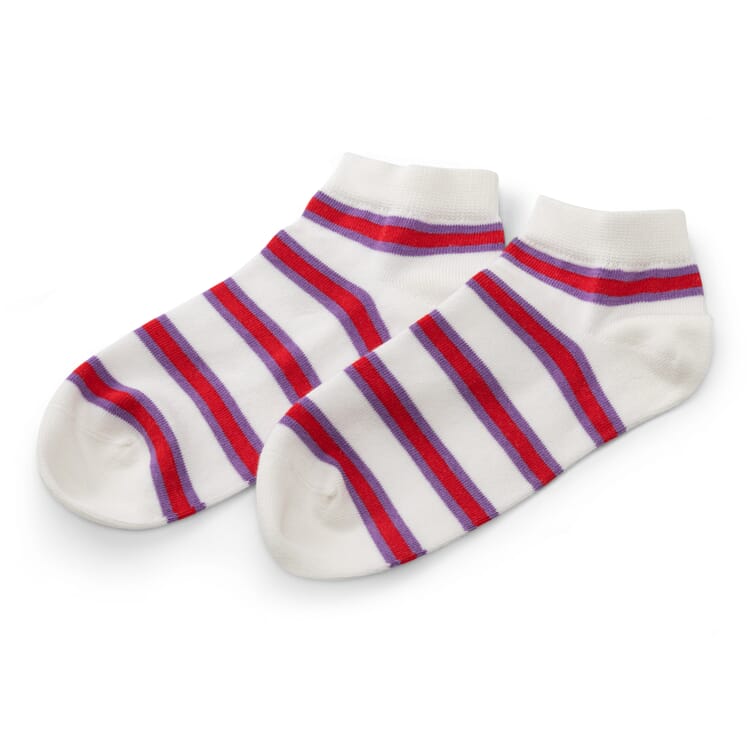
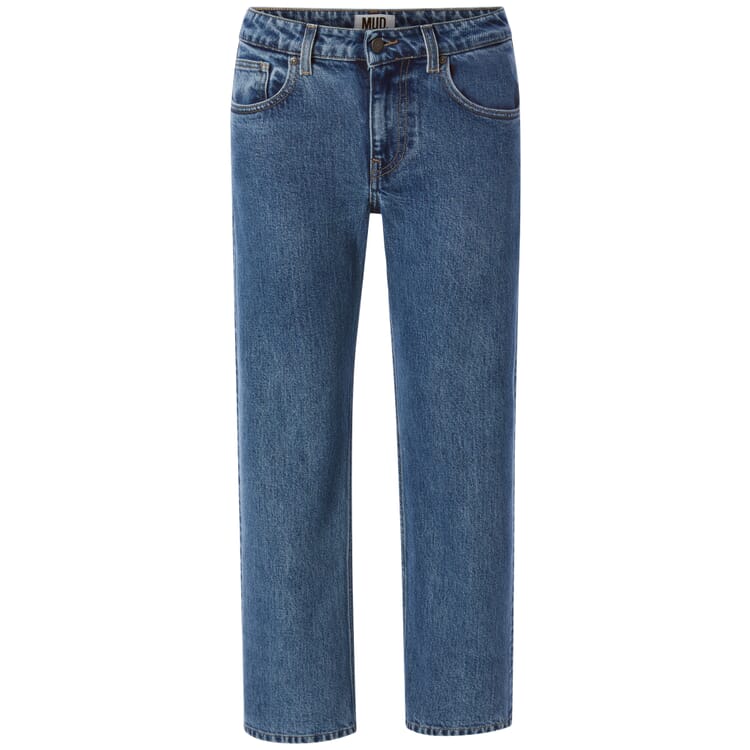
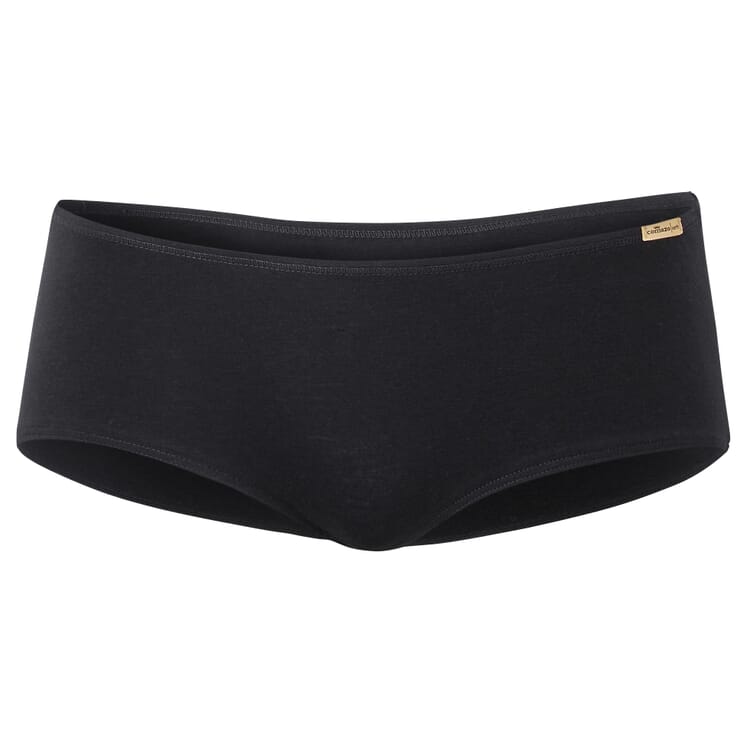
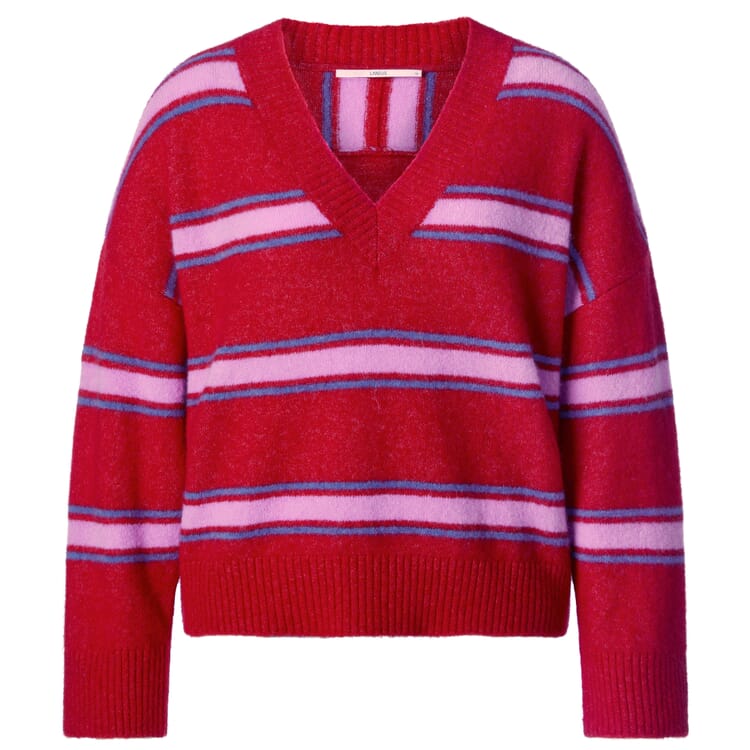
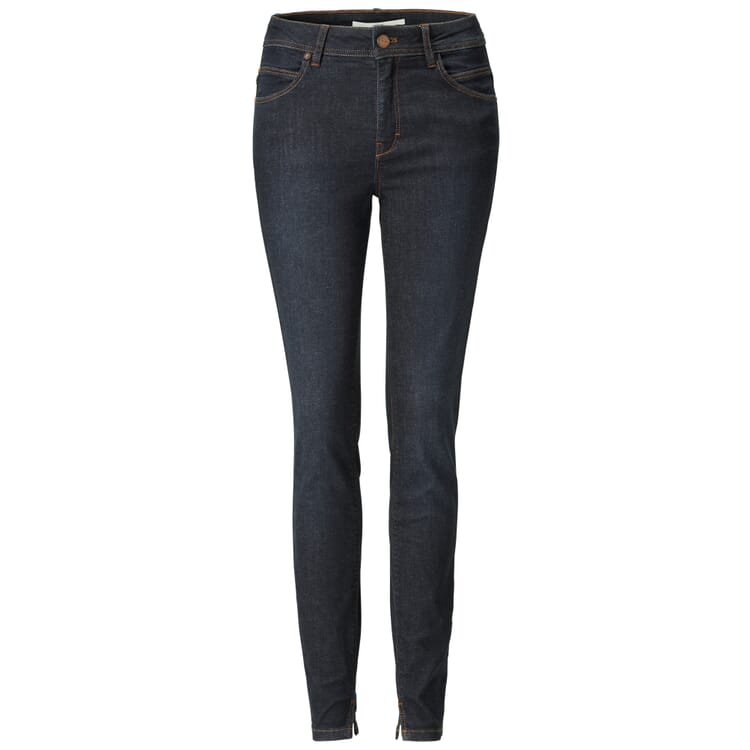
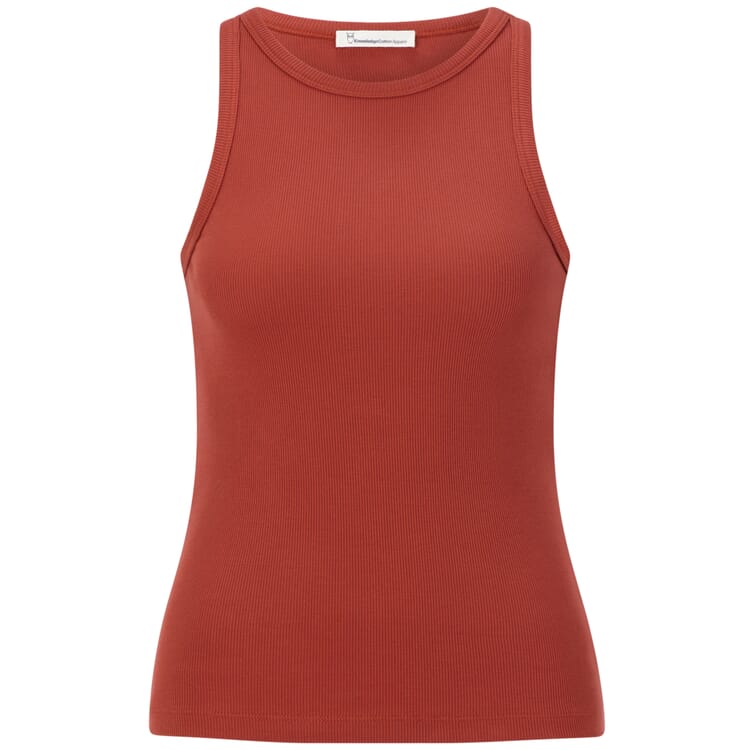
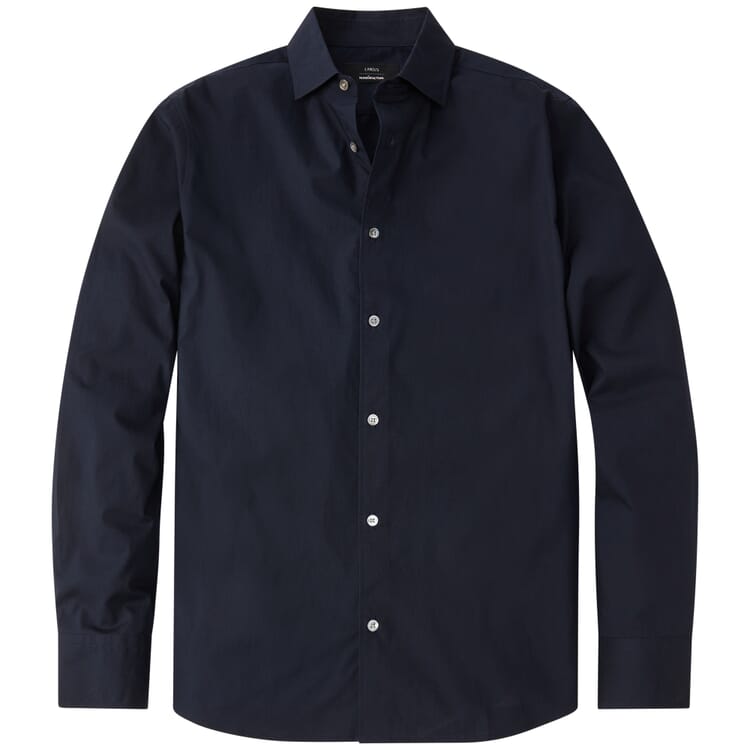
Selected products containing elastane




























































Recommended Topics

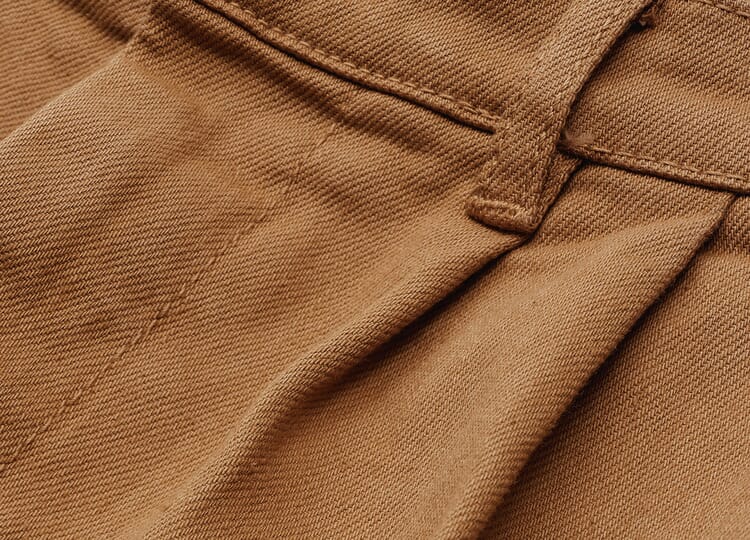
By nature, cotton feels pleasantly soft on the skin, and it also has a low allergy potential. Due to these extremely skin-friendly properties, cotton has been one of the most popular natural fibers for the production of textiles for thousands of years. From home textiles such as towels, comforter covers and blankets to clothing, many of our products - especially those that come into direct contact with the skin - are made of pure cotton.
View more
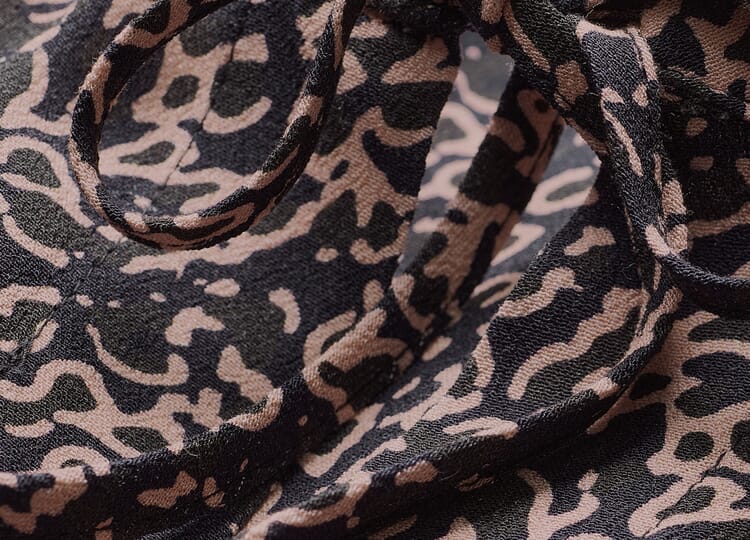

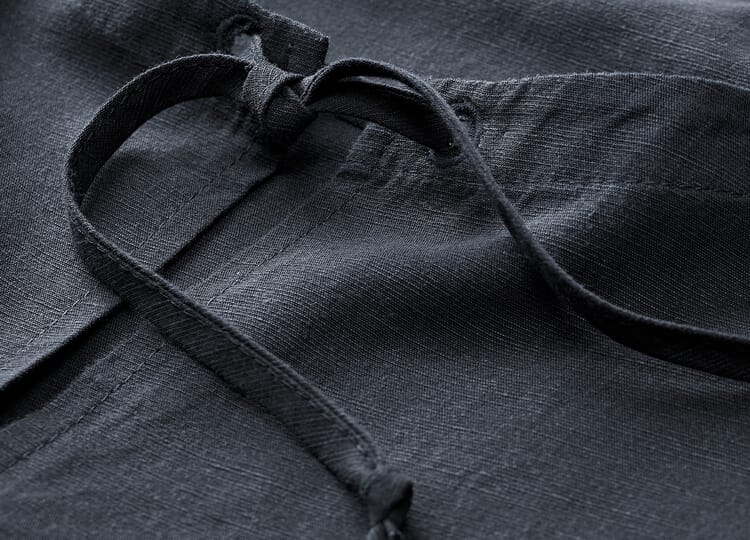
You can literally experience one of the great benefits of Tencel™ for yourself, namely when you wear clothes made of or with Tencel™. These fabrics are not only breathable and wick away natural body moisture well. They are also pleasantly smooth with a silky feel, have a flowing drape and are cool against the skin. Frequently, shirts, blouses, T-shirts and dresses are made from or with Tencel™ - you can see some examples on the right. However, the versatile fiber can also be made into firmer fabrics, some of which resemble jeans, and used for pants and the like.
View more