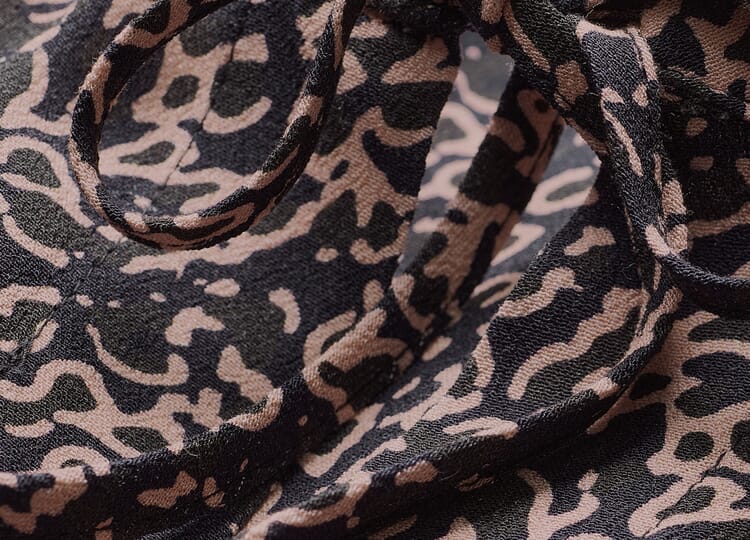
Materials science
Le lin. Résistant et respirant


Linen is obtained from the flax plant (Linum usitatissimum), which by nature is very low-maintenance and frugal. Compared to cotton, flax cultivation is more environmentally friendly because it naturally requires little fertilizer and pesticides. In particular, flax from controlled organic cultivation (kbA) manages without these agents due to changing crop rotations and is therefore more sustainable and less polluted. The plant has the best growing conditions in regions with a maritime climate, which is why it is often cultivated in areas close to the coast. The main producing countries include China, France and Belgium. However, the highest quality fibers come from Western European countries, such as Northern France, Belgium, the Netherlands and Germany. Here, long fiber flax of the highest quality is cultivated thanks to the optimal climatic conditions and the cultivation tradition that has been maintained for centuries. Many of our linen textiles, including clothing, tea towels and especially bed linen, are also manufactured in Europe; the flax is mostly from controlled organic cultivation (kbA).
The properties of linen
Flax is one of the oldest textile fibers in the world. When processed into high-quality linen, the fiber demonstrates its valuable comfort properties. For example, linen feels pleasantly cool against the skin, especially during the summer months. The fiber owes this cooling effect primarily to its outstanding moisture-regulating properties, but it offers many other benefits as well:
- Thanks to the smooth surface structure of the flax fiber, linen fabric is also very smooth, making it gentle on the skin, lint-free, and easy to clean.
- Its nearly antistatic effect also stems from the smooth fiber surface. As a result, linen is dirt-, dust-, and pollen-repellent and is therefore ideal for people with allergies.
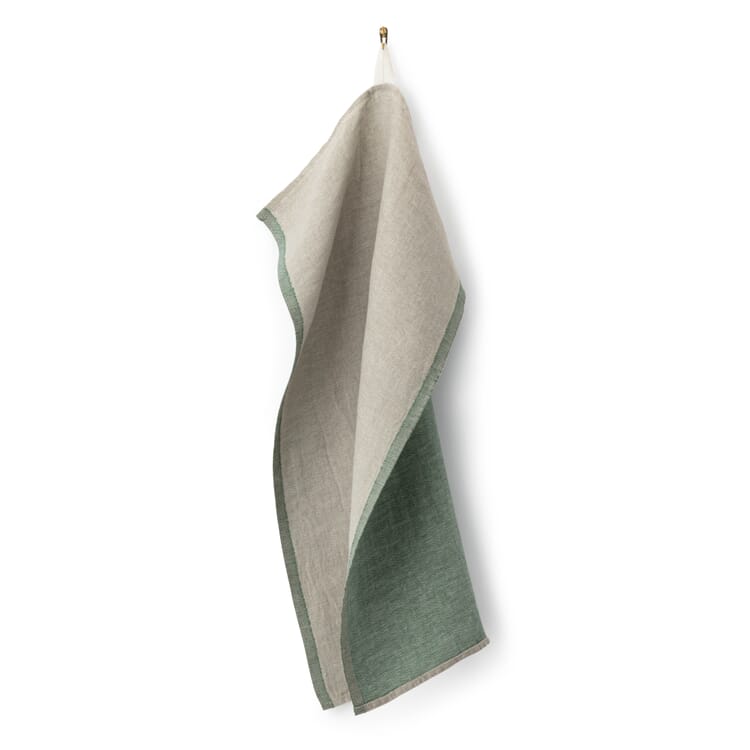
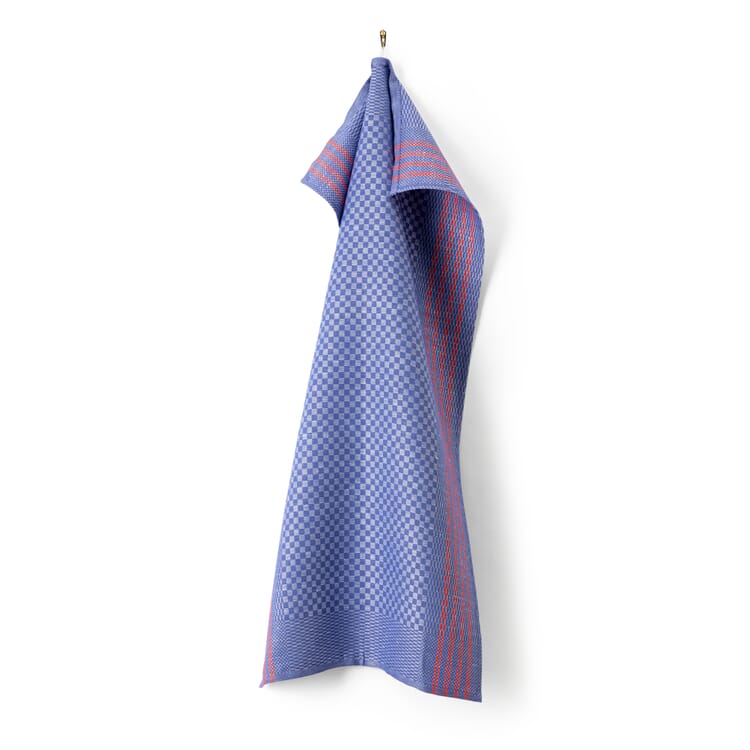
- The ability to absorb large amounts of moisture—up to 35% of its own weight, to be exact—and, above all, to release it quickly makes linen clothing and bedding an effective alternative for people who sweat a lot. In dish towels, this property is particularly noticeable due to their high absorbency.
- The constant release of moisture into the environment also means that linen feels cool in the summer.
Good linen is extremely sturdy, tear-resistant and durable.Frequent washing with plenty of water actually makes the fabric softer and more supple. It is best to soak linen before washing and leave the dripping wet laundry in the drum for a while. Use a gentle short wash program. Linen fabrics are only somewhat susceptible to friction. Spinning or the use of a dryer are possible despite all this, but promote the typical linen crease look. Those who prefer smooth linen should refrain from doing so. Incidentally, linen is easier to iron when it is still somewhat soggy. A good middle course is therefore to remove the ironed linen from the line while it is still slightly damp and to smooth it directly afterwards.
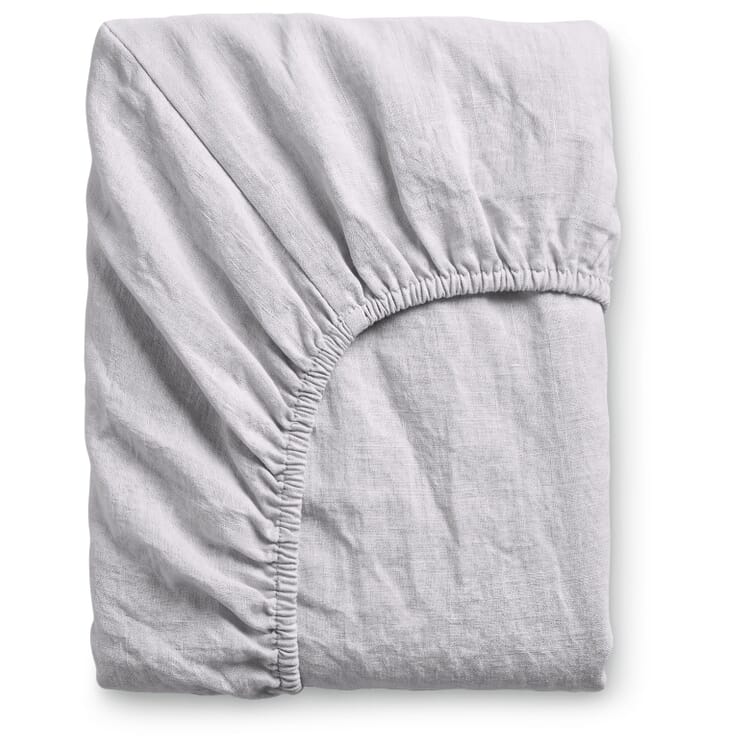
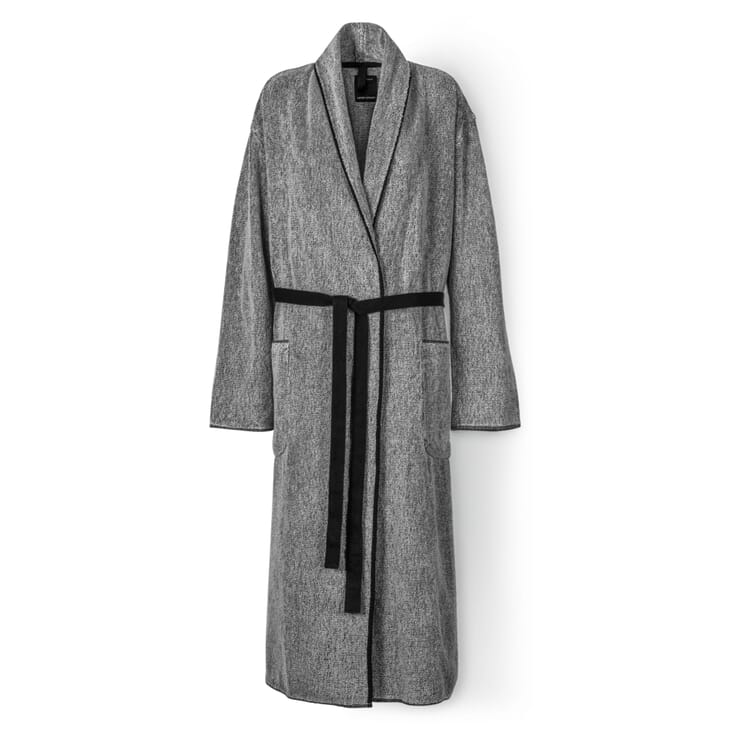
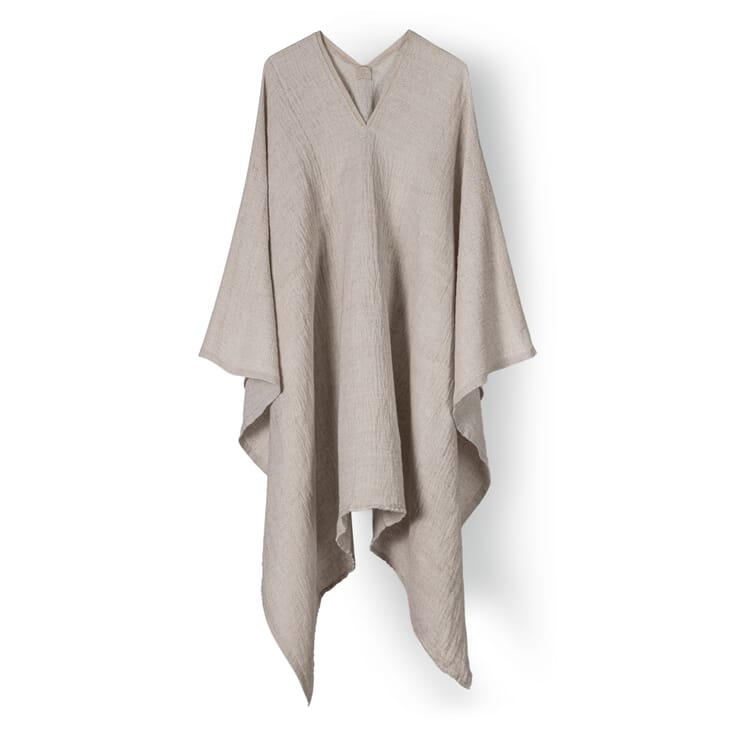
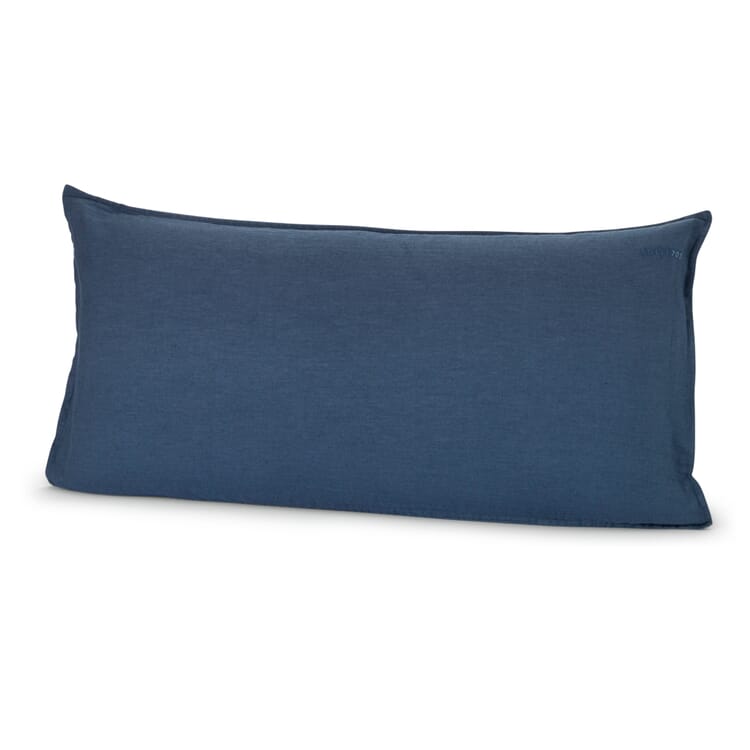
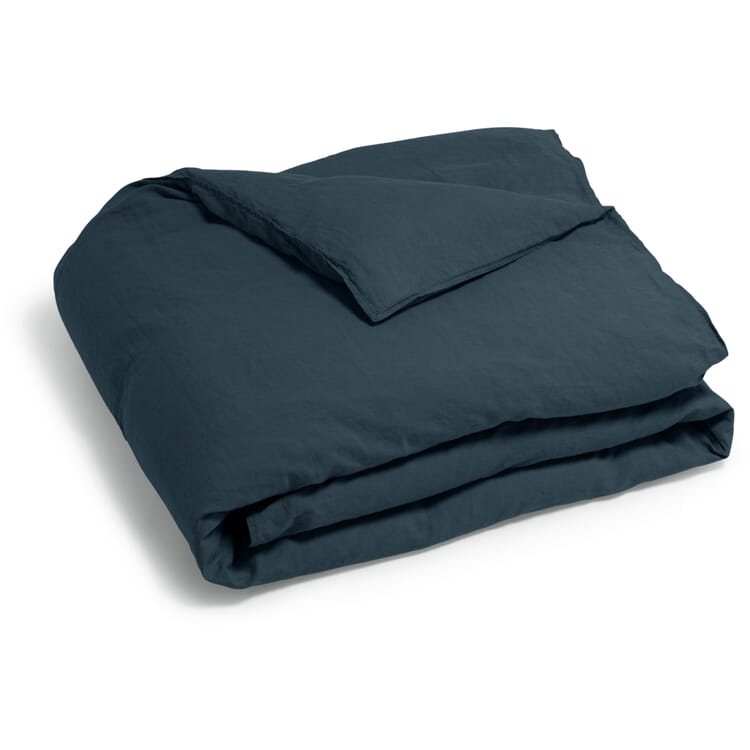
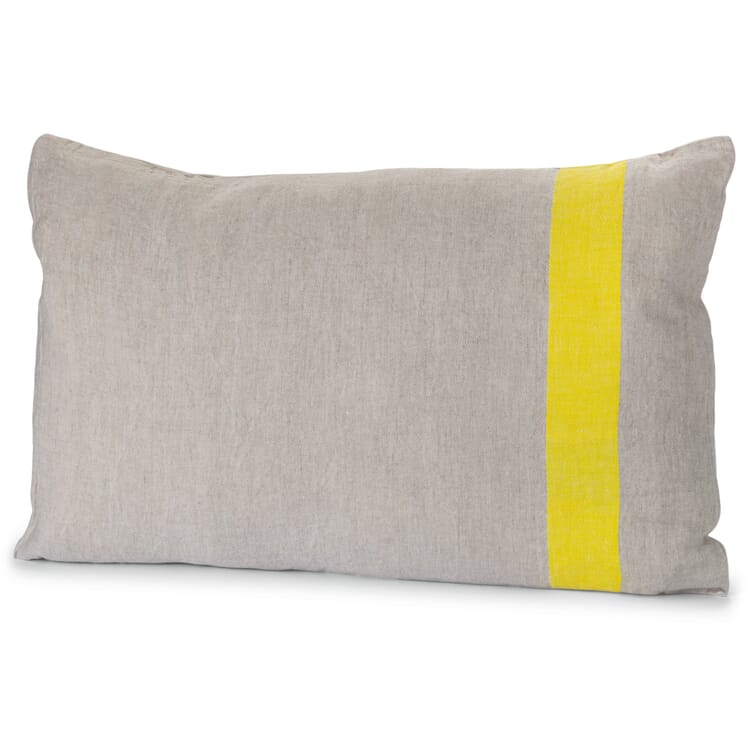
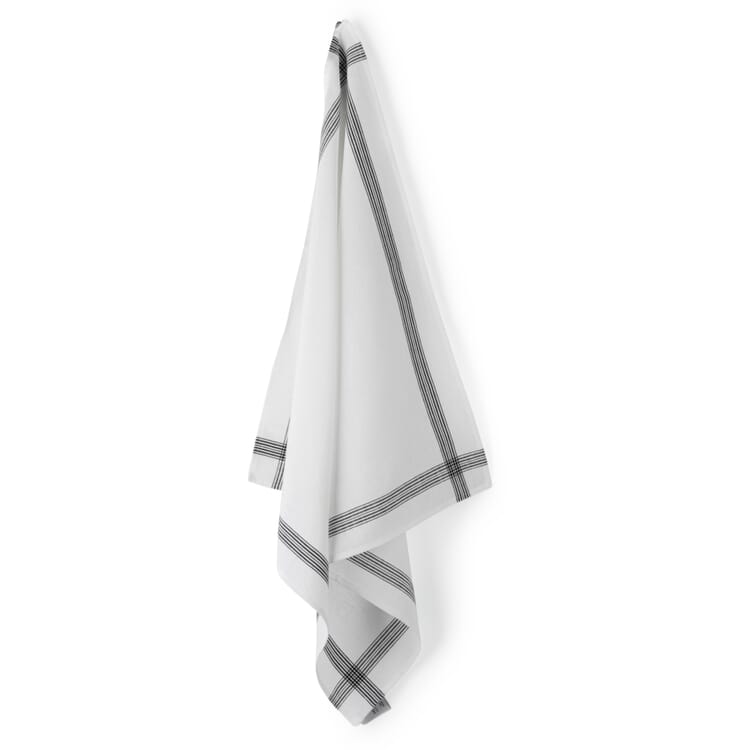
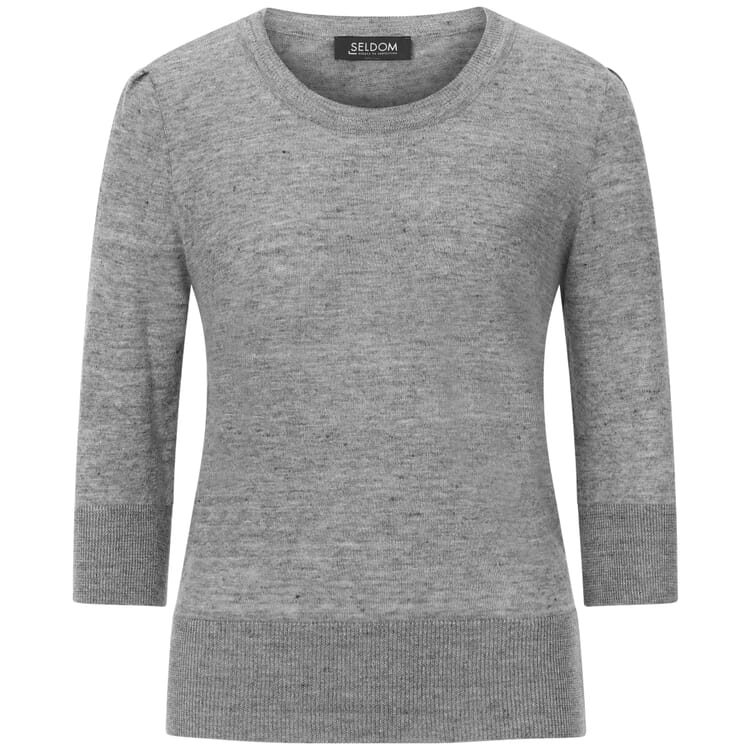
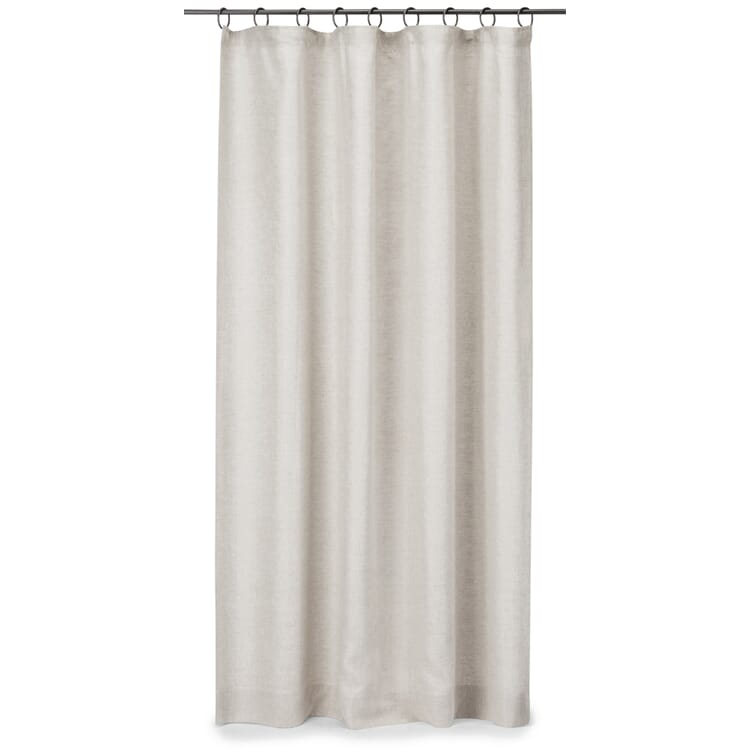
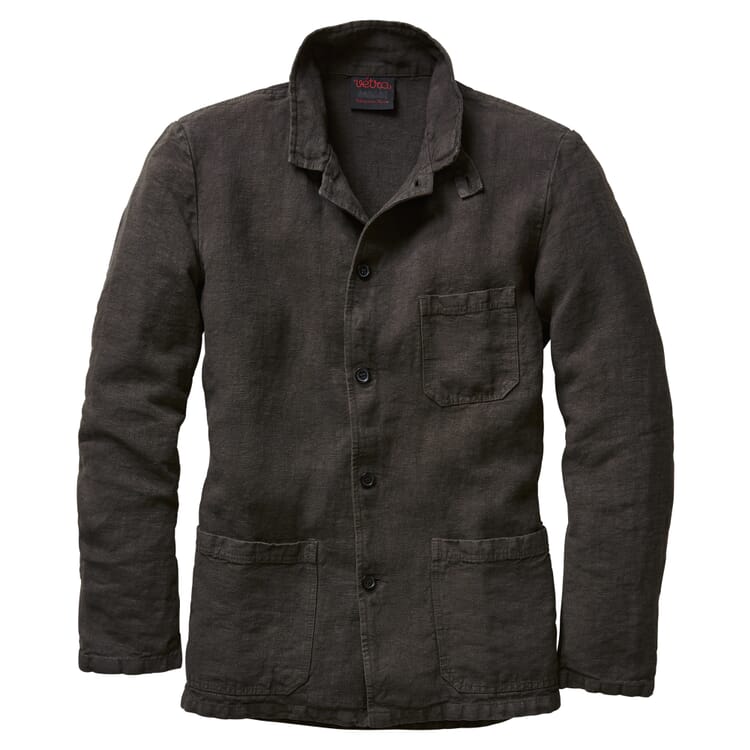
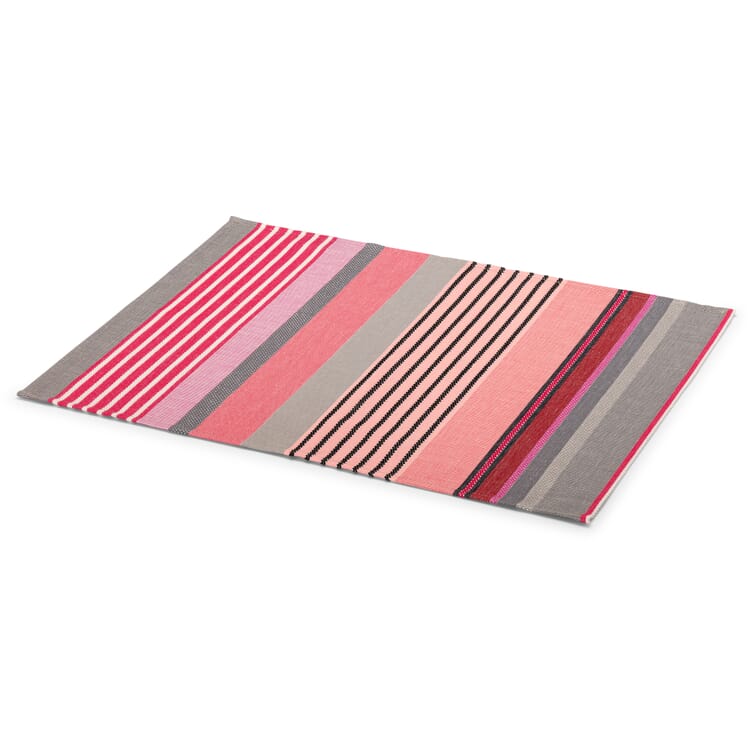
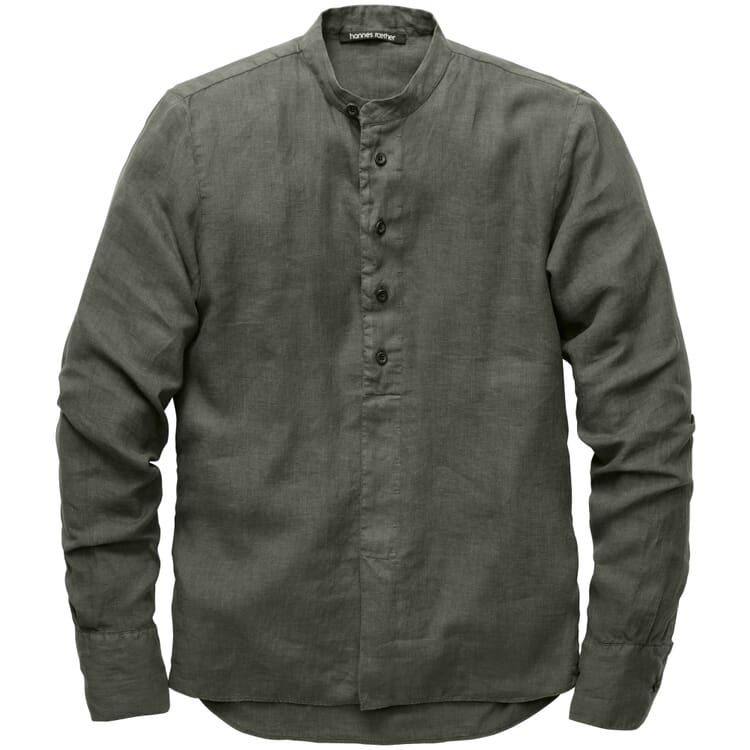
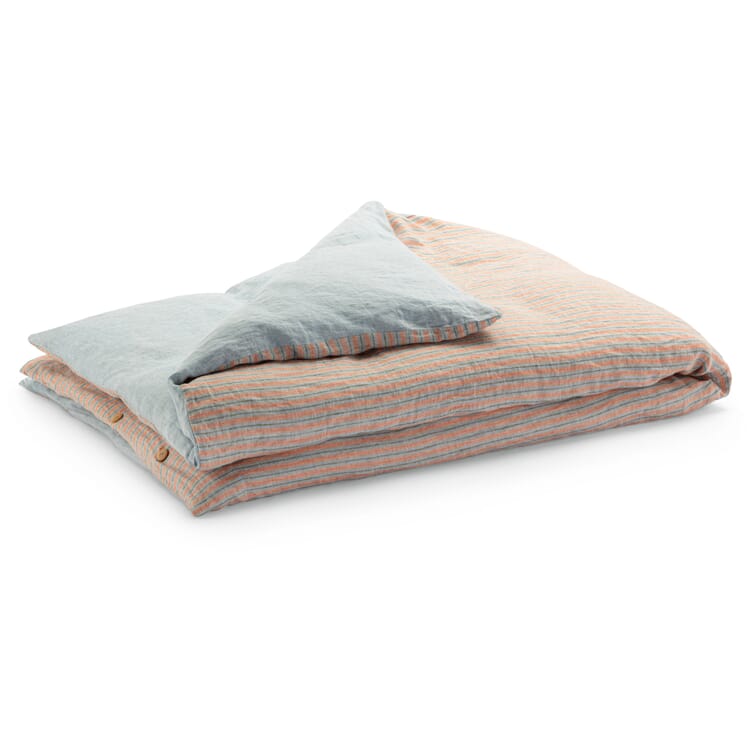
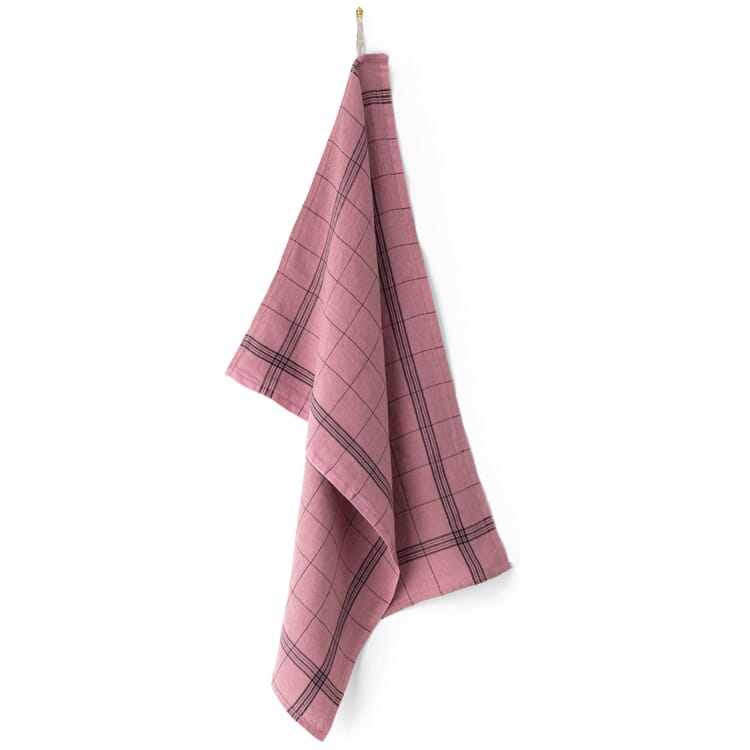
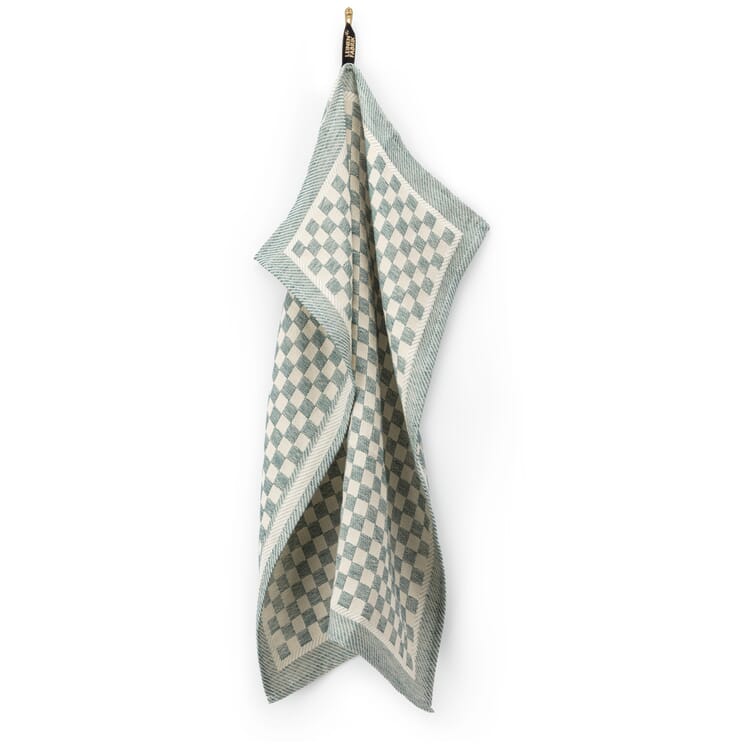
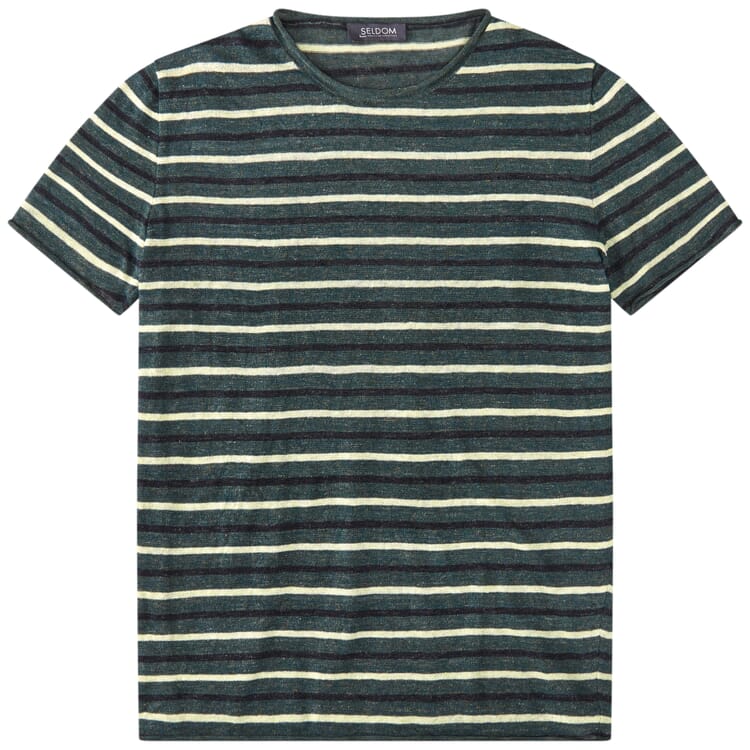
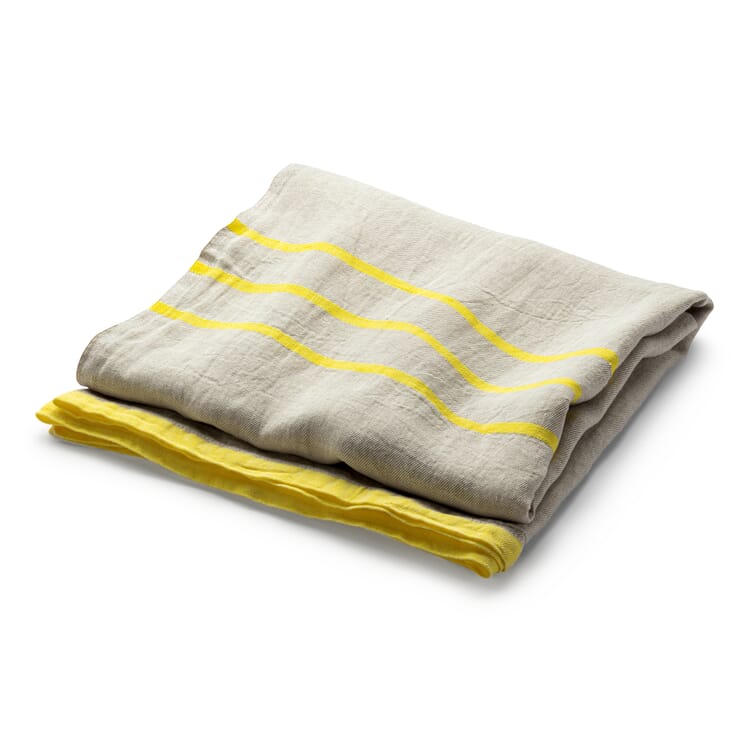
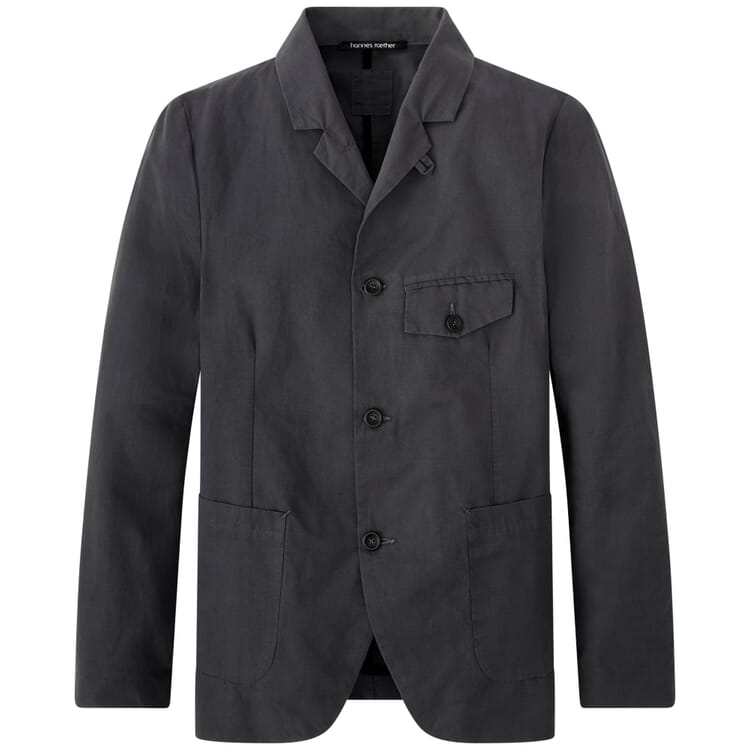
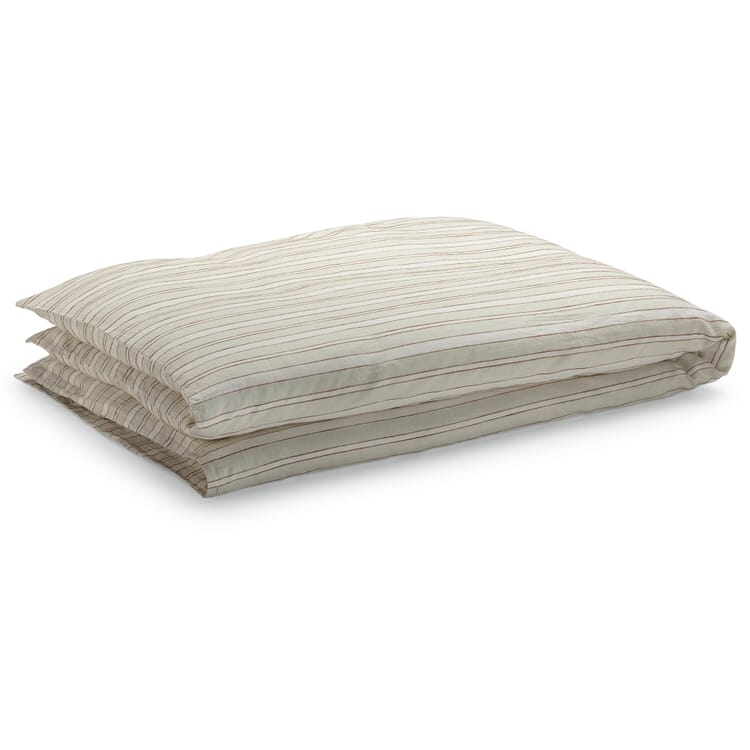
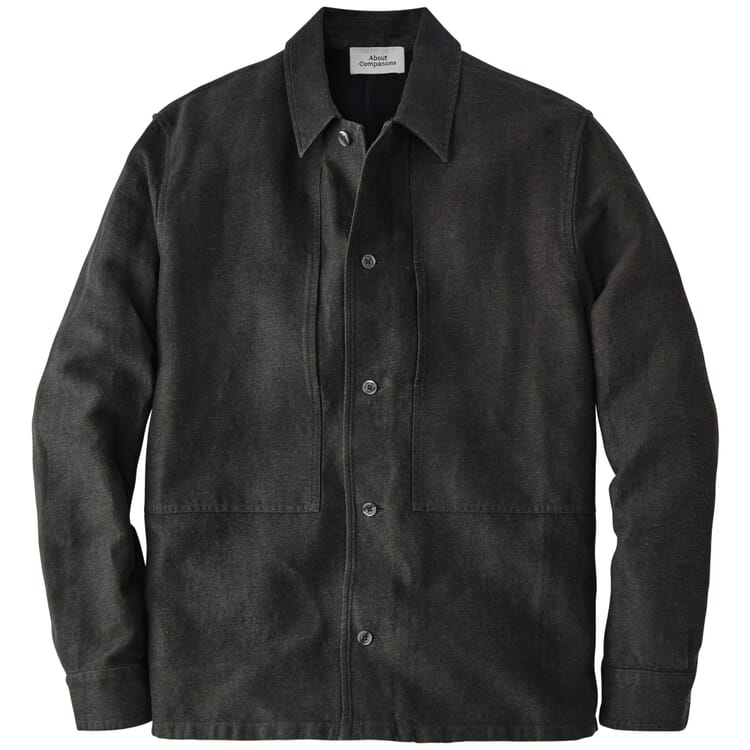
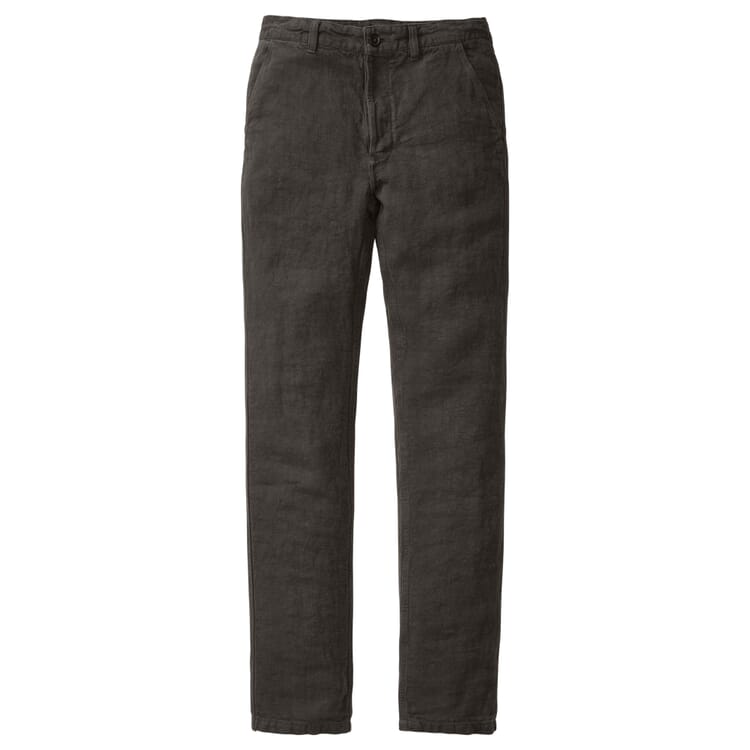
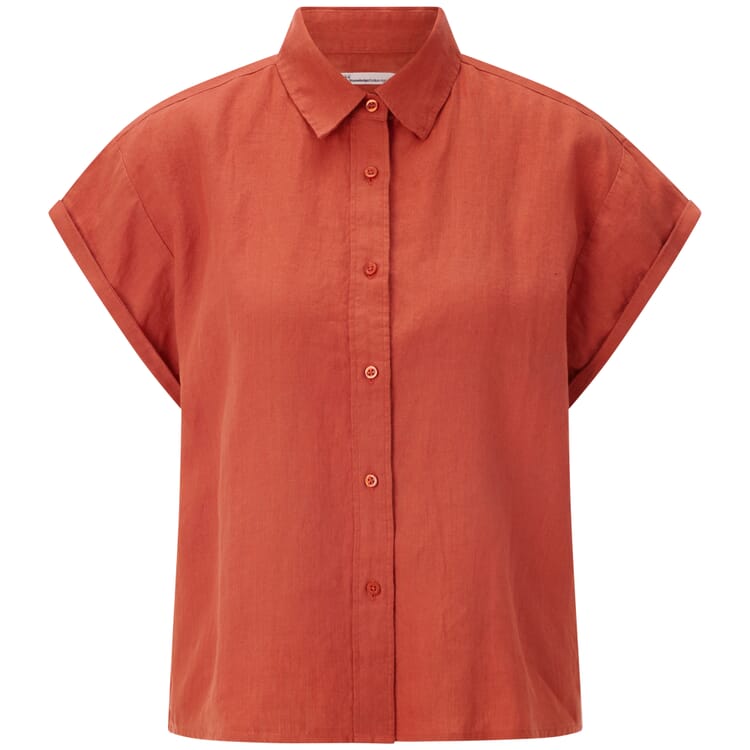
Selected products from linen













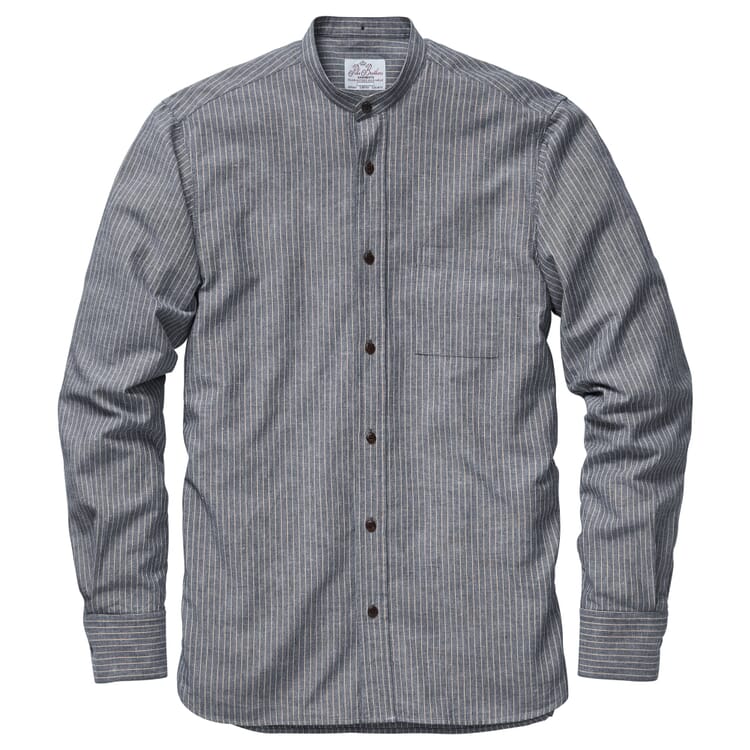

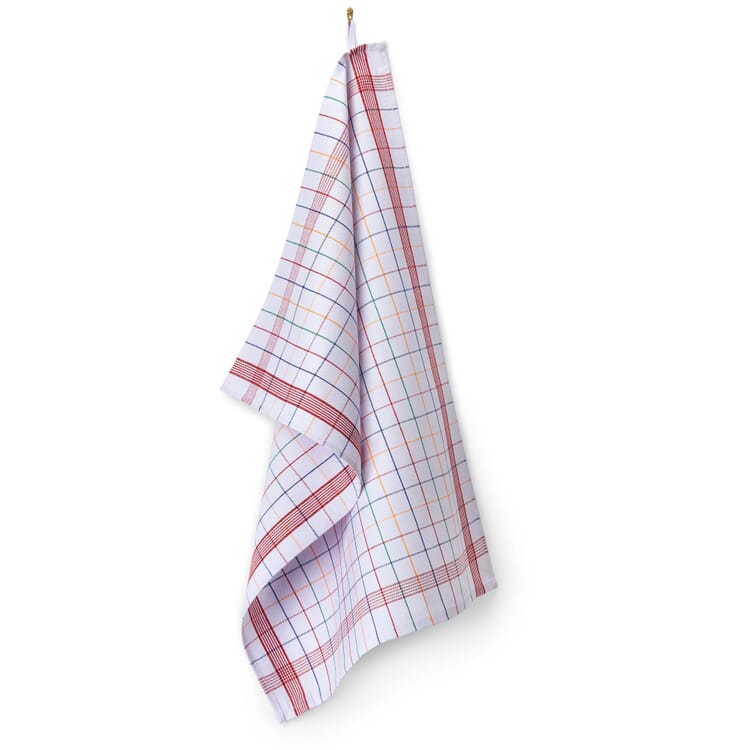

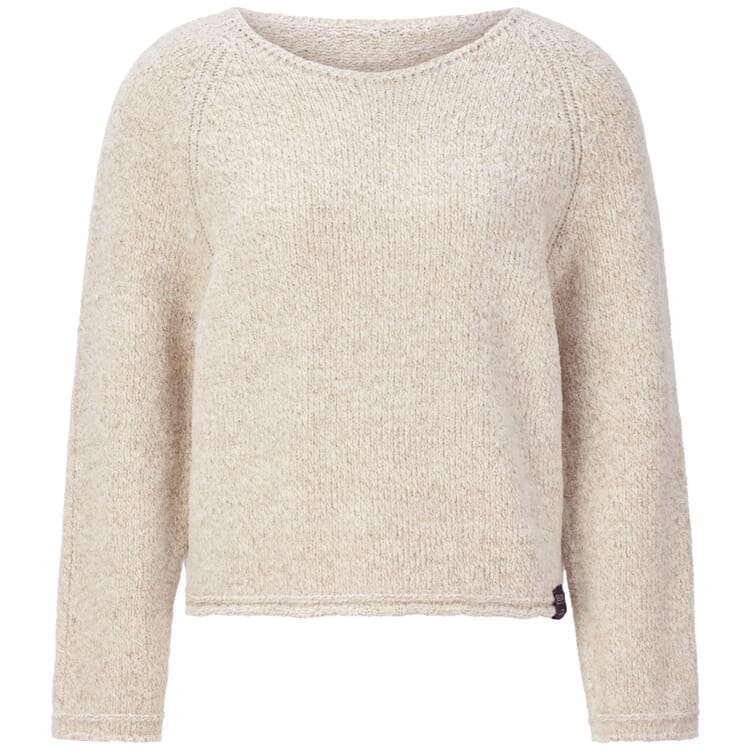

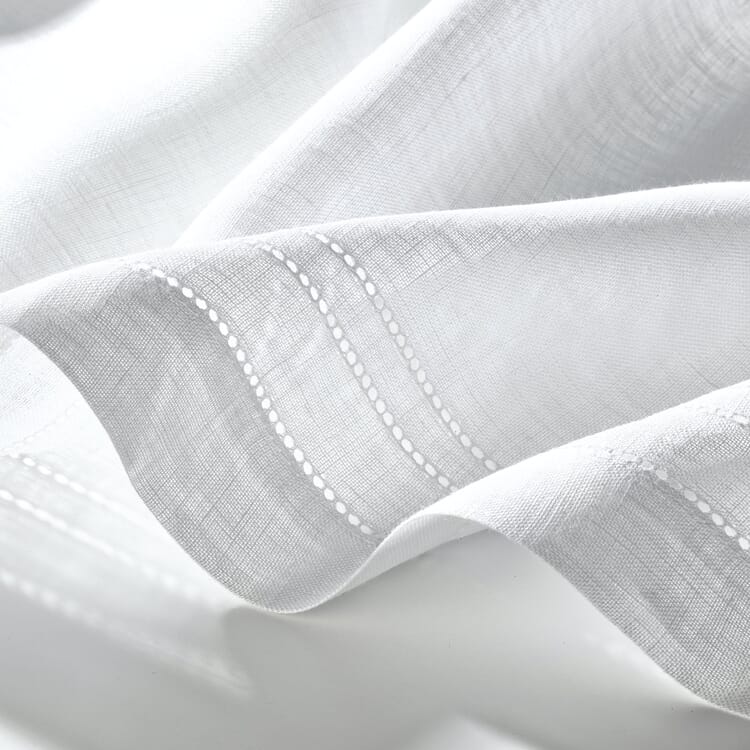

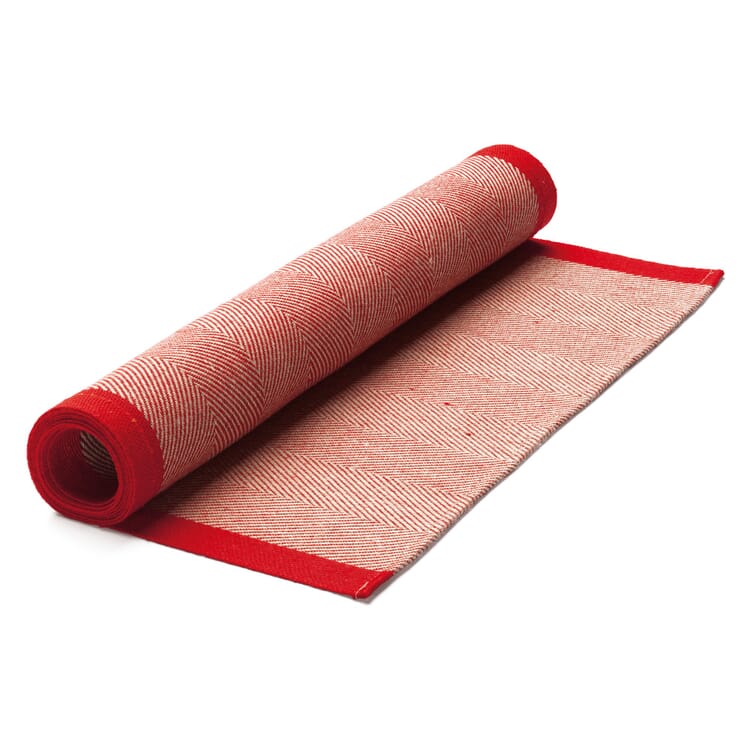

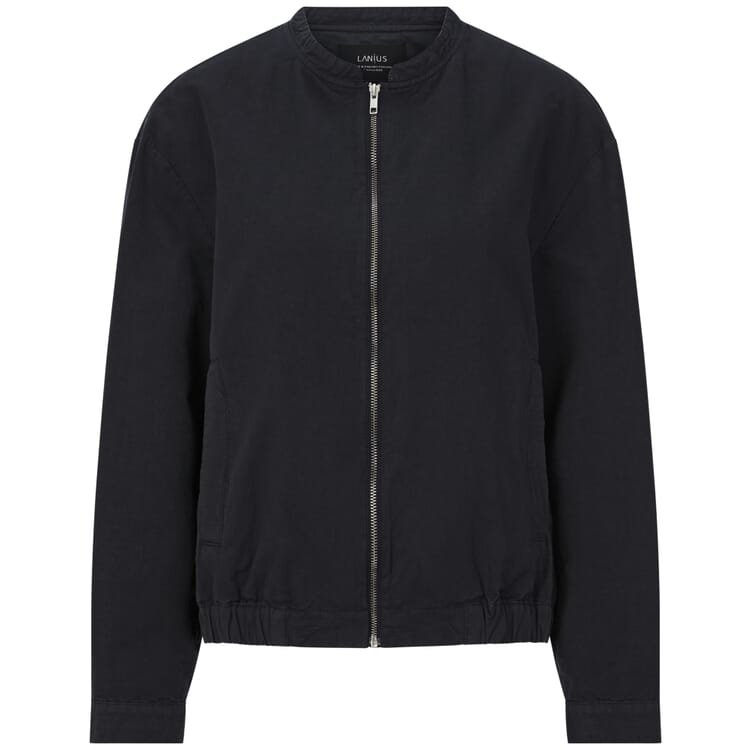

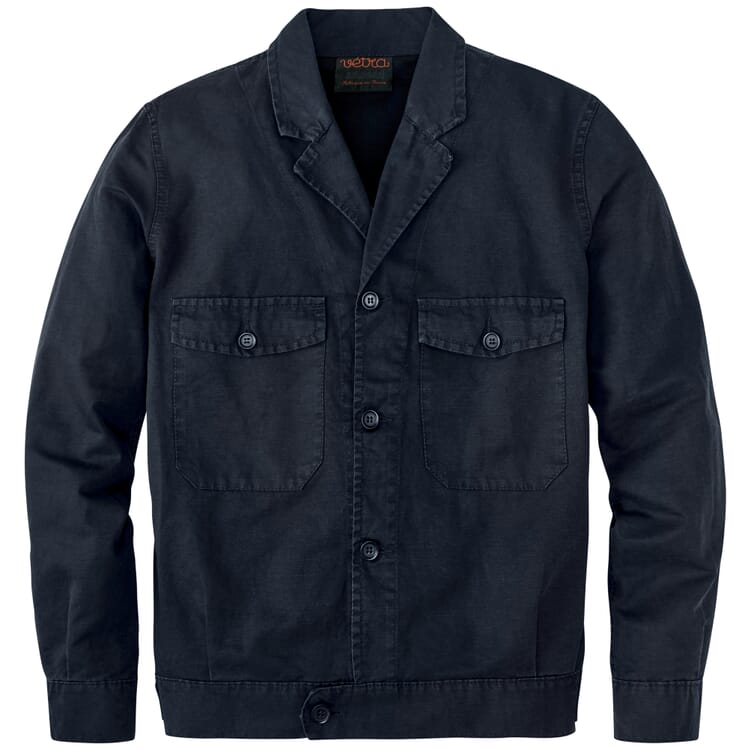

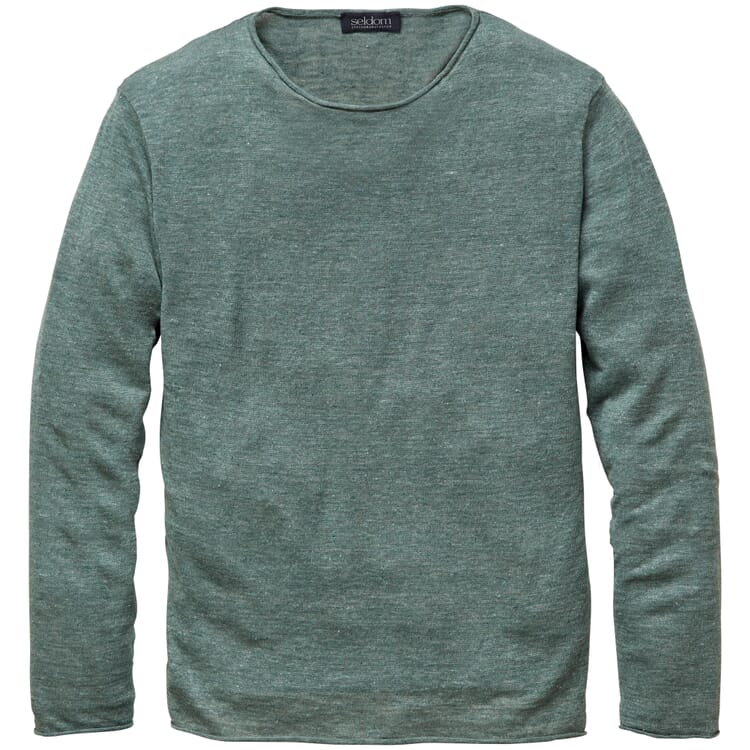














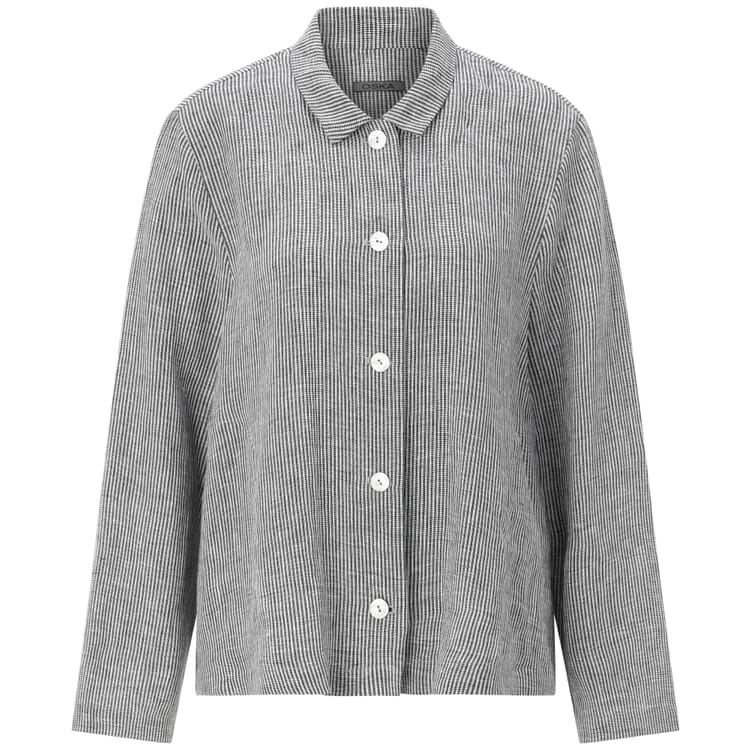

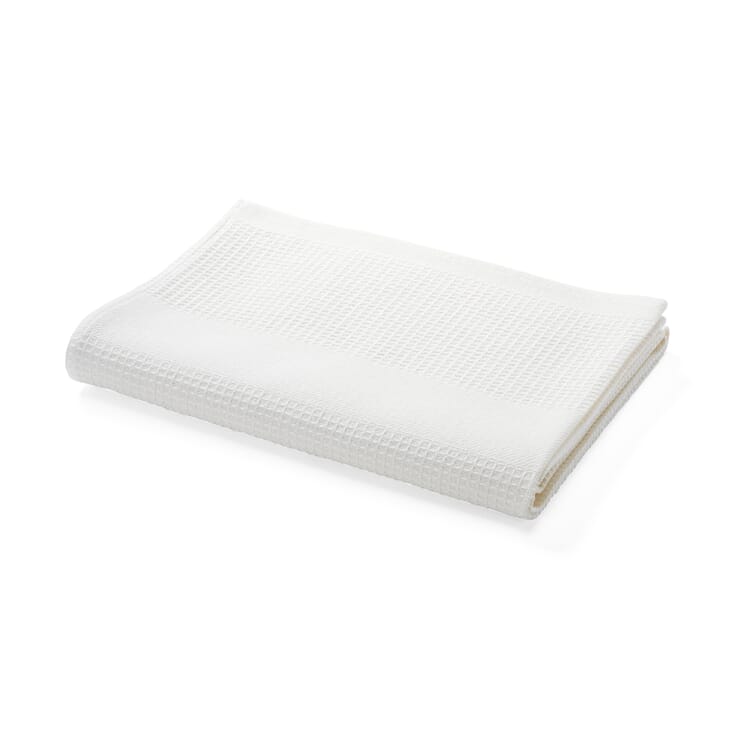

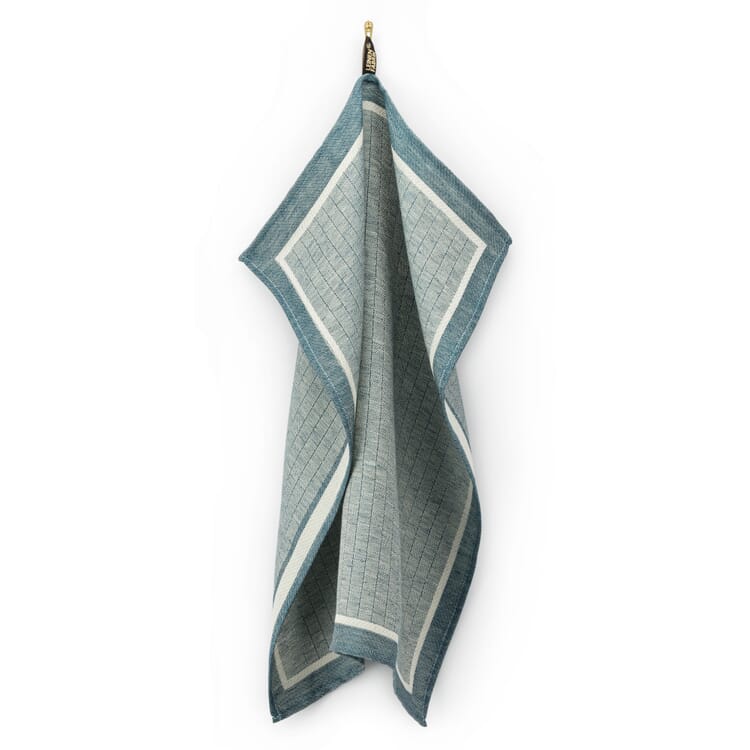

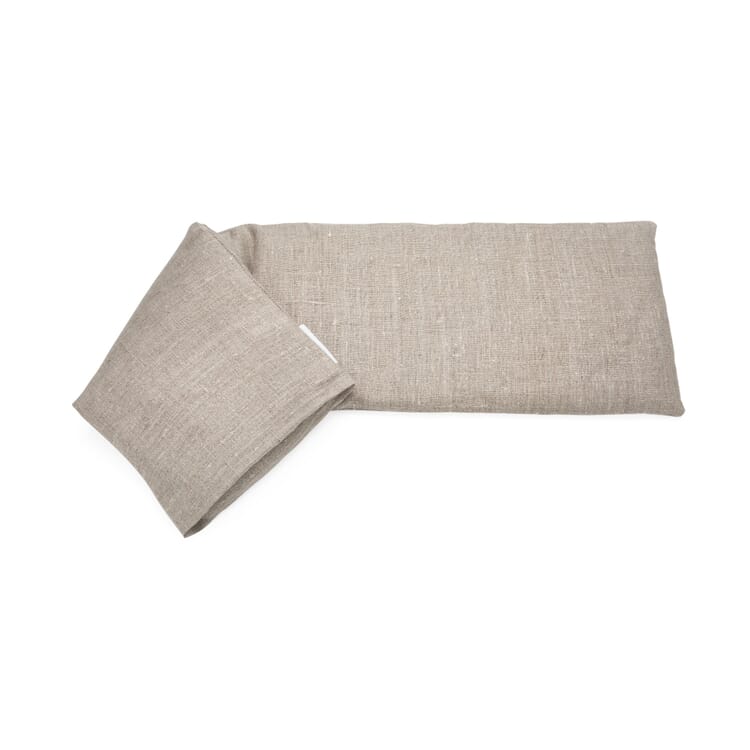

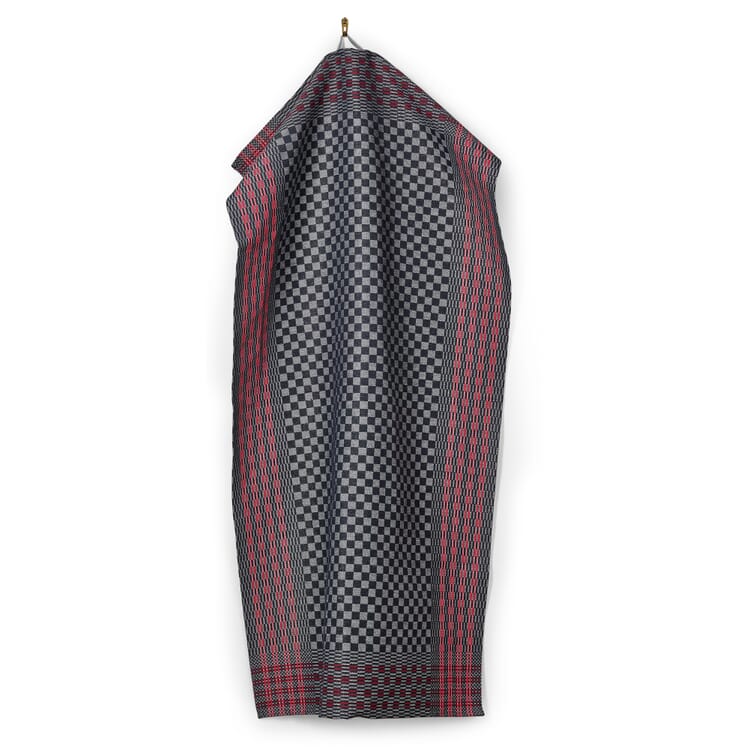

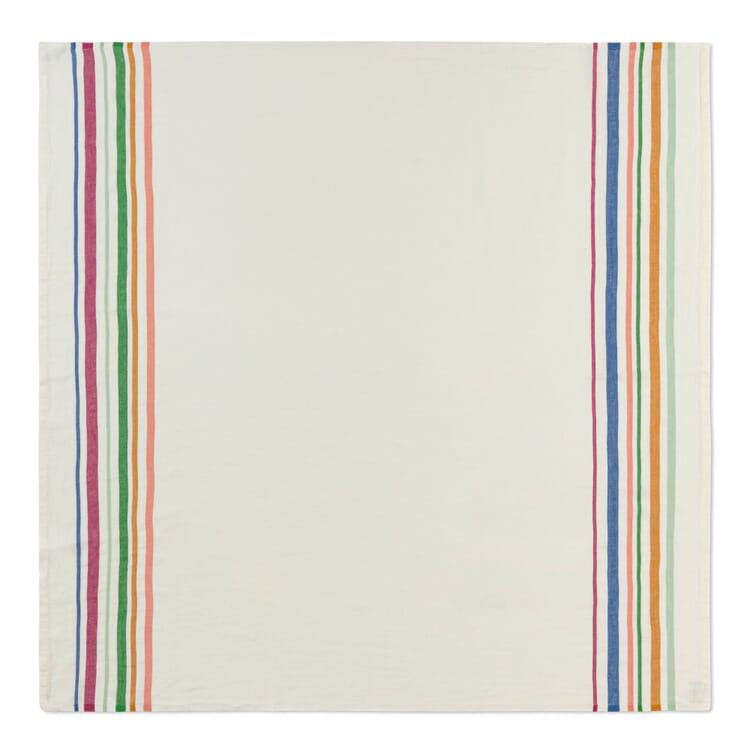

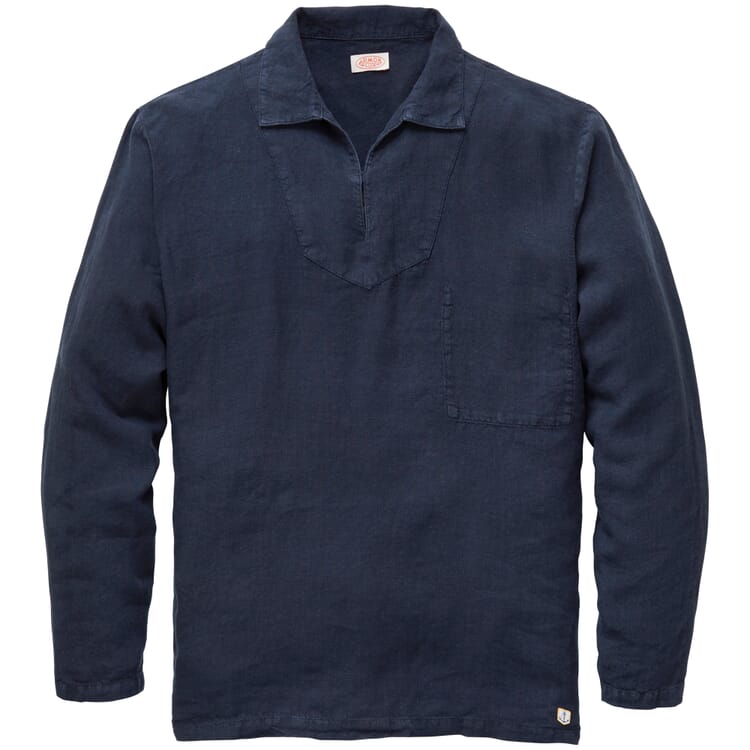

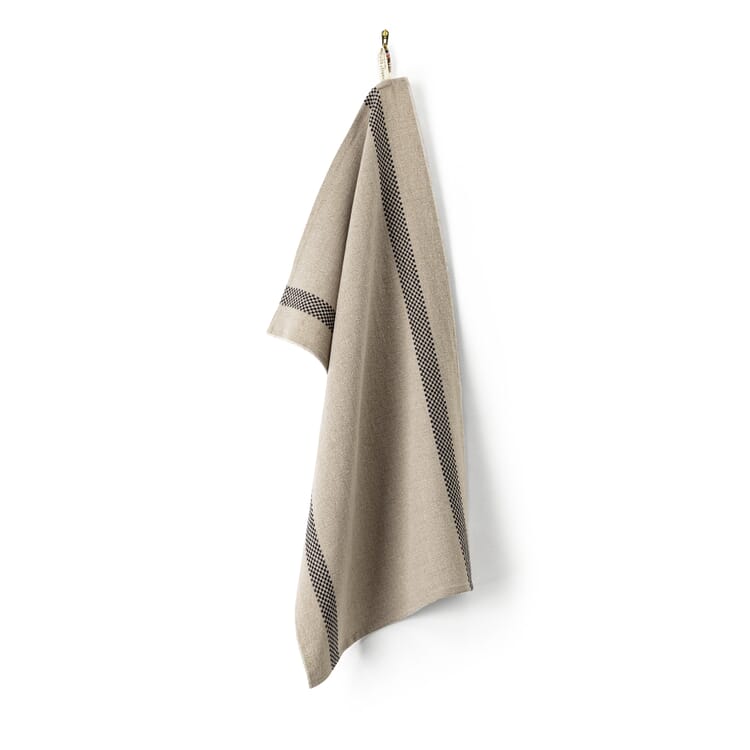

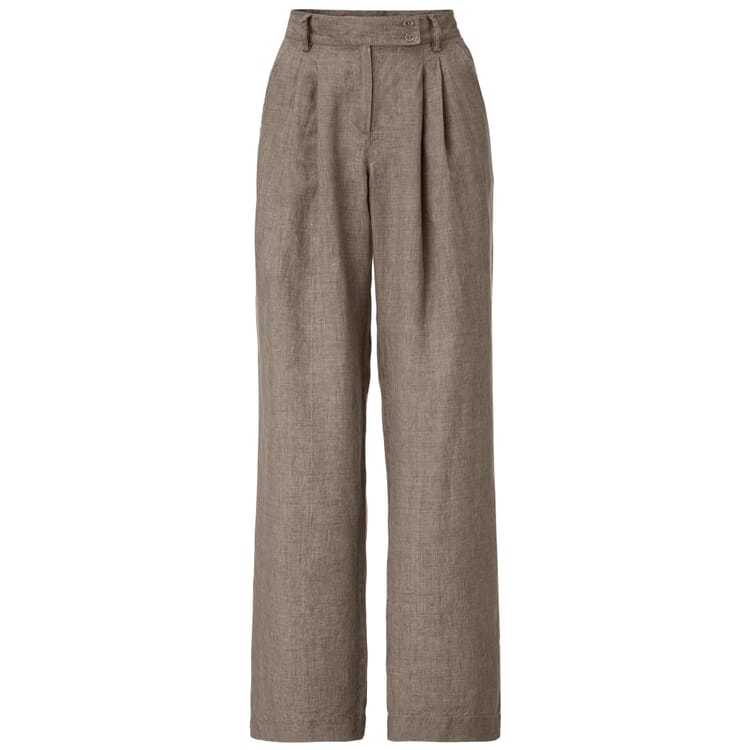

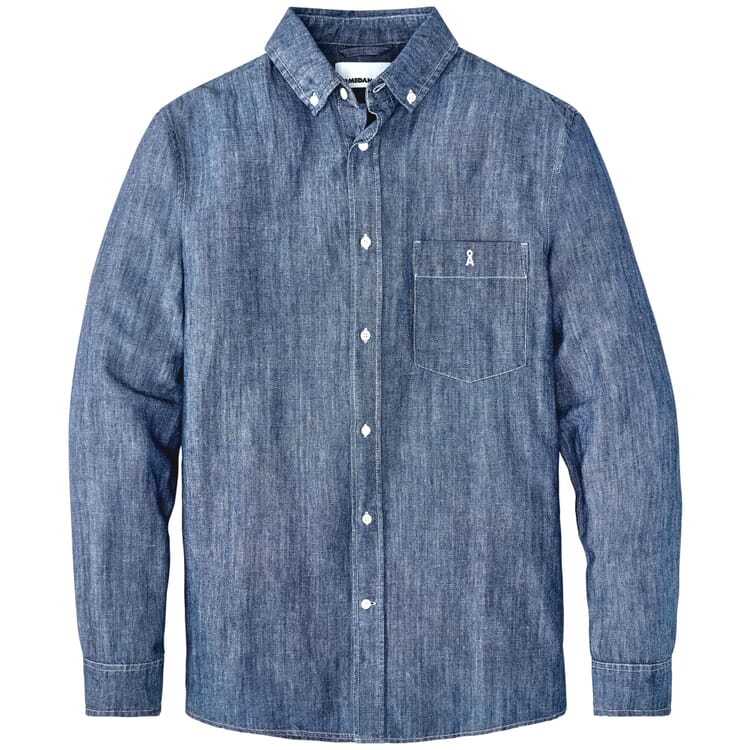

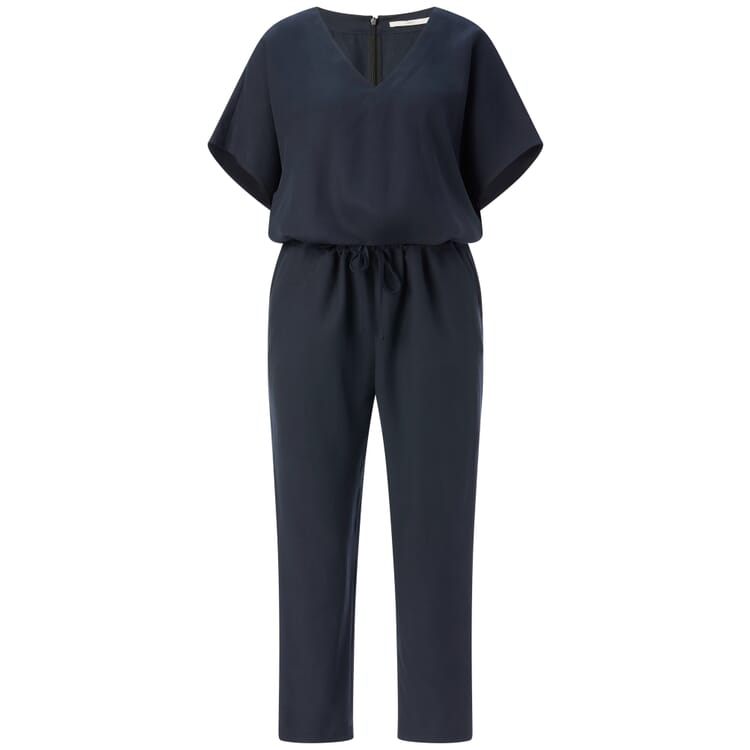

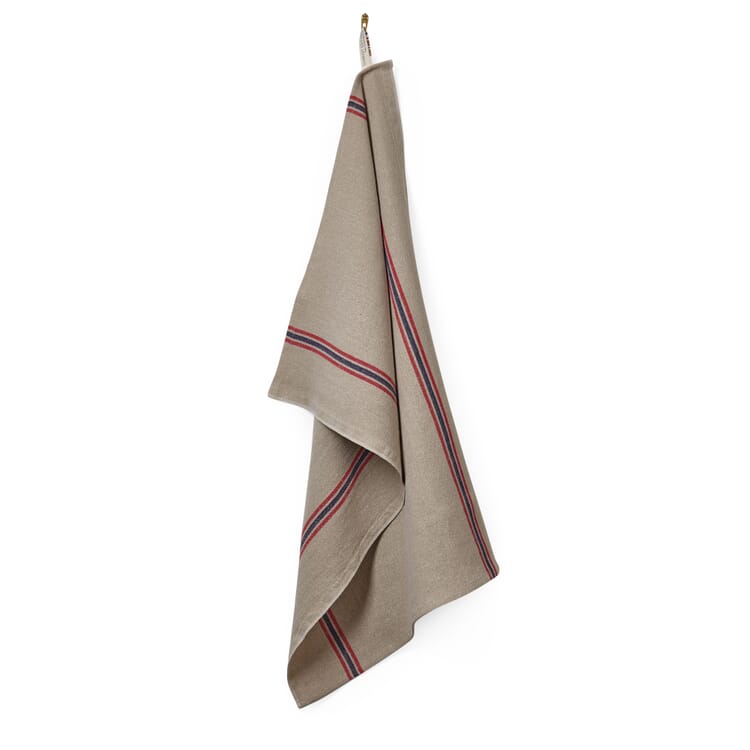

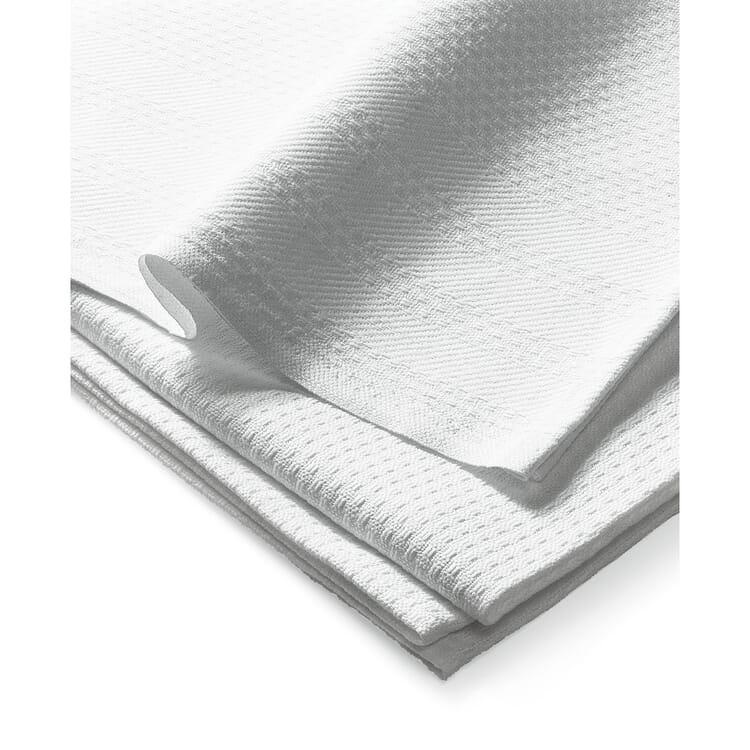

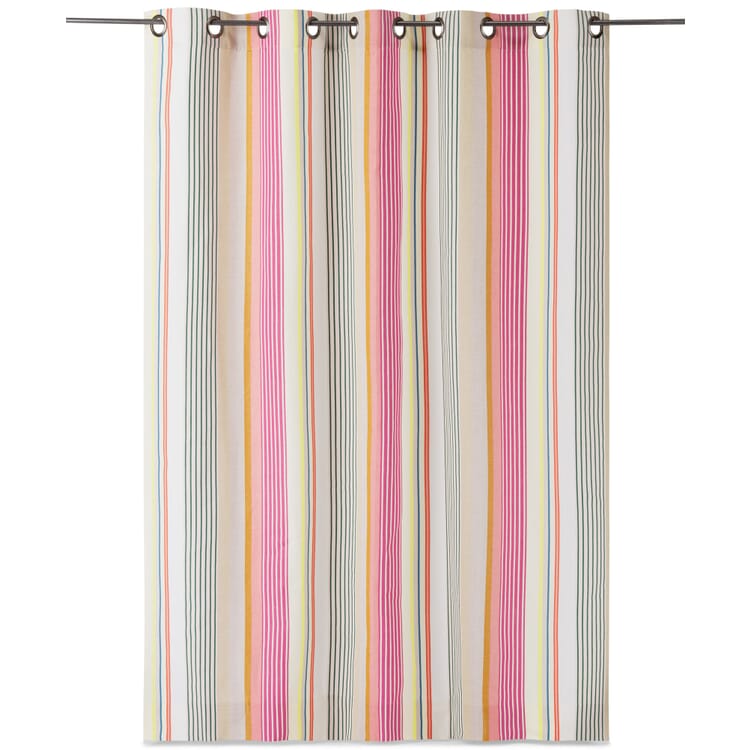

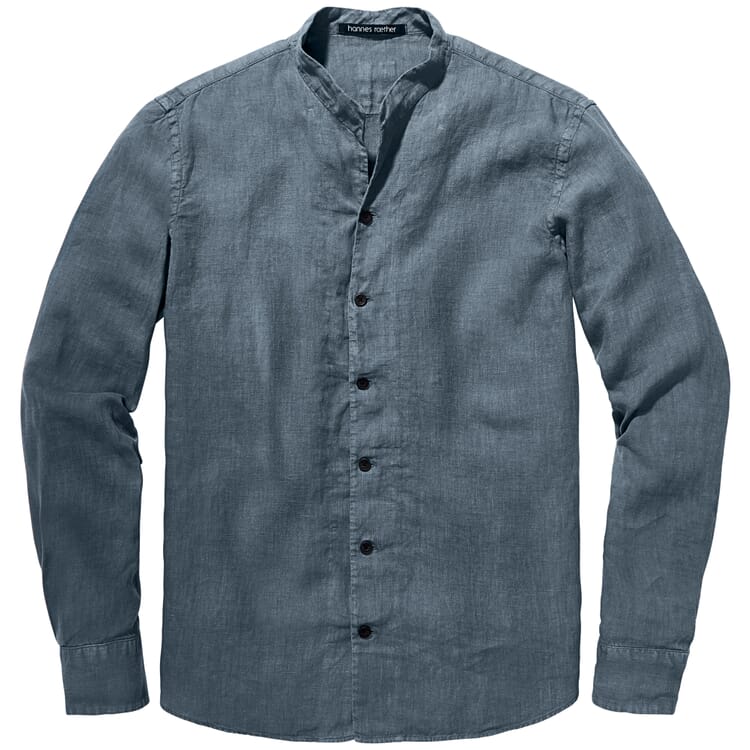

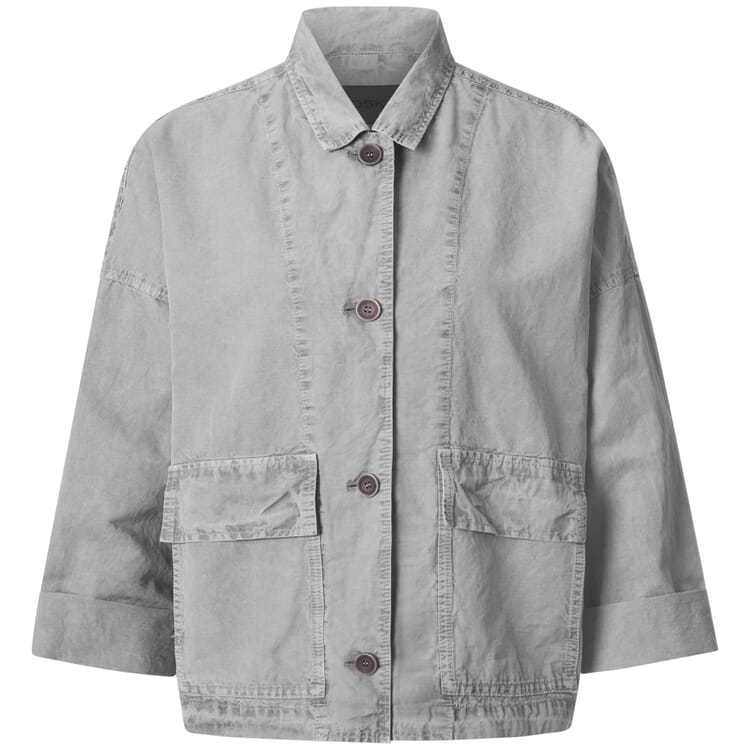





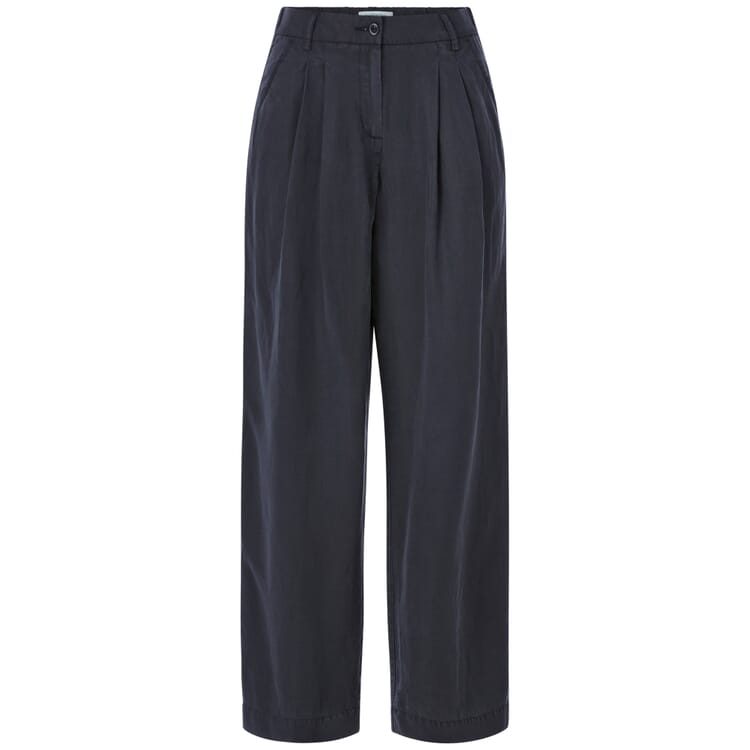

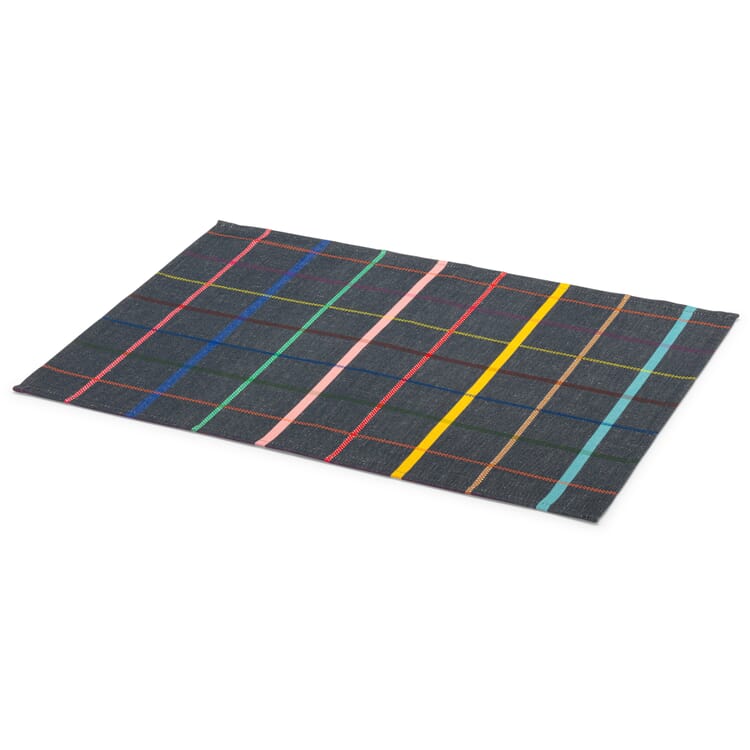

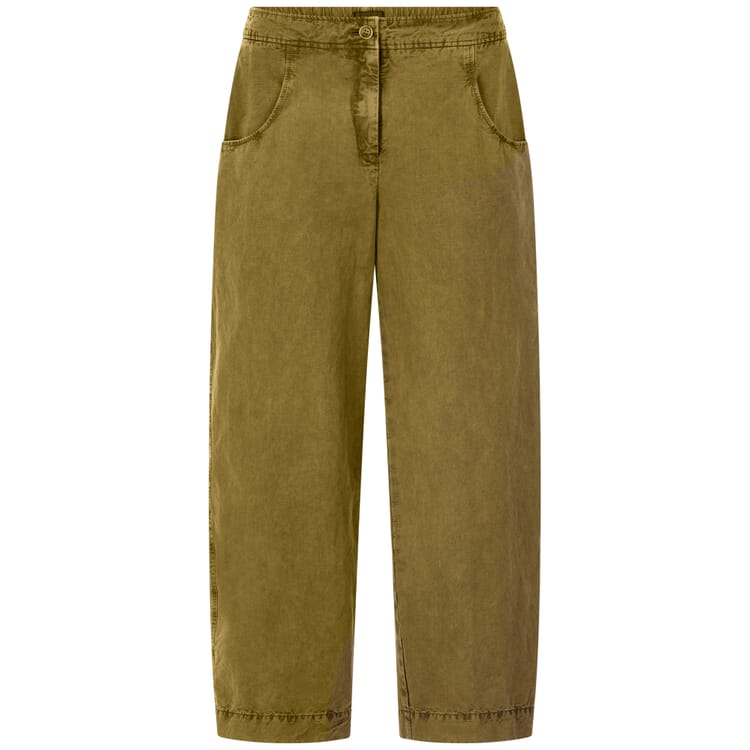

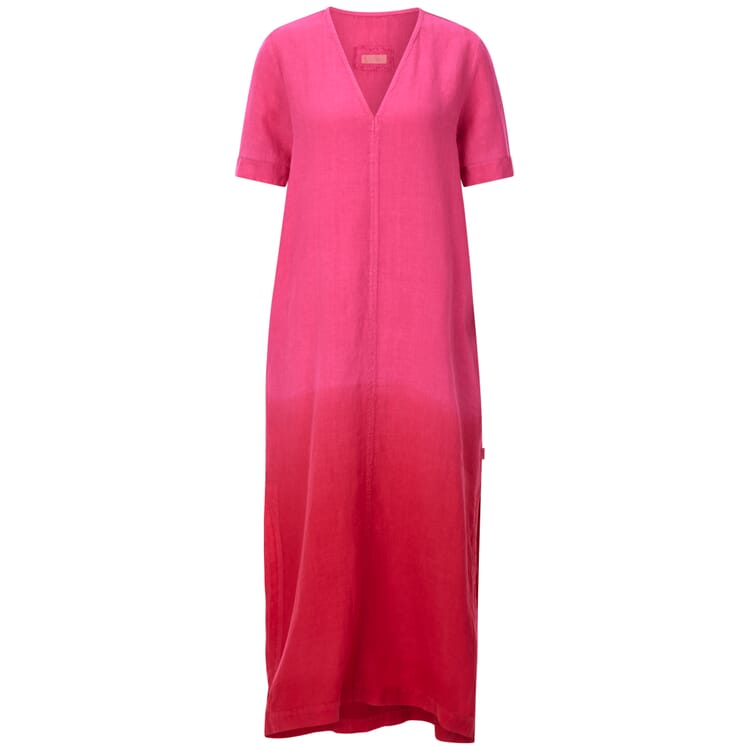

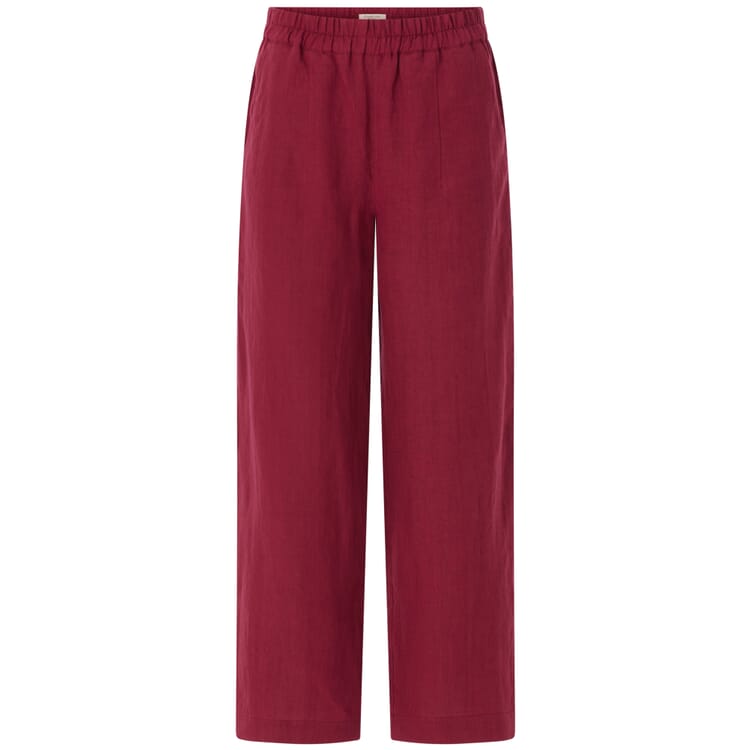

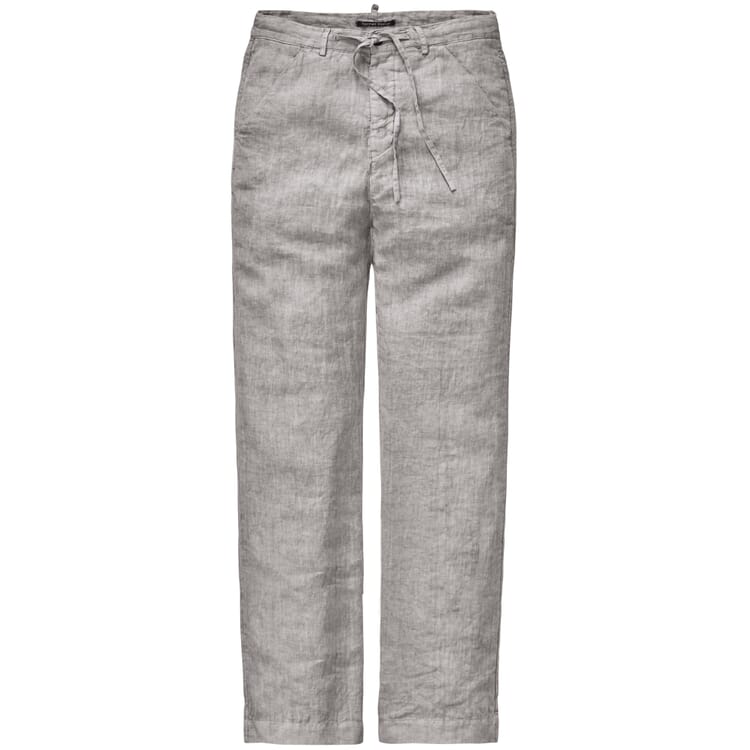

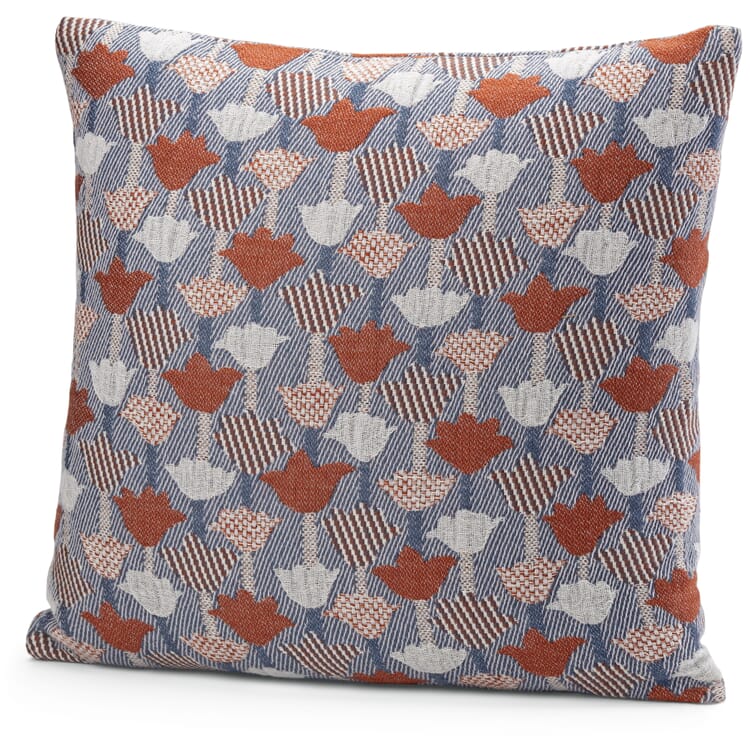
Recommended Topics

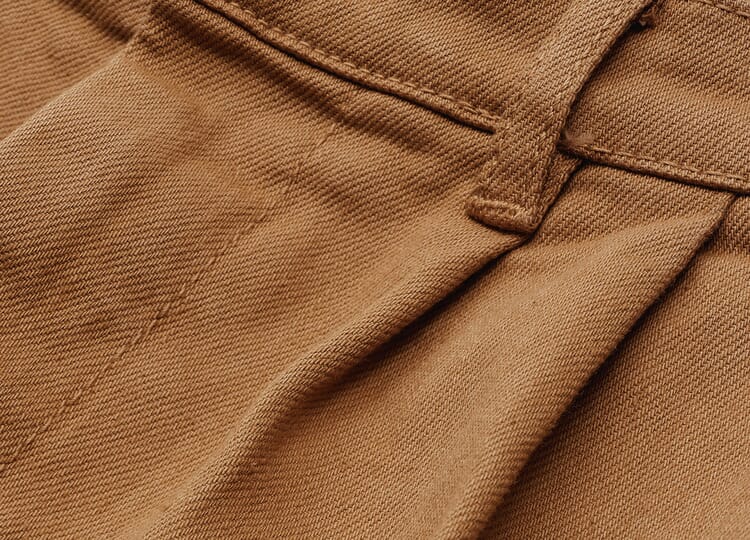
By nature, cotton feels pleasantly soft on the skin, and it also has a low allergy potential. Due to these extremely skin-friendly properties, cotton has been one of the most popular natural fibers for the production of textiles for thousands of years. From home textiles such as towels, comforter covers and blankets to clothing, many of our products - especially those that come into direct contact with the skin - are made of pure cotton.
View more
Hemp is one of the oldest useful and cultivated plants in the world and is very versatile. Long displaced by cotton, hemp fiber is now celebrating a comeback. The textile industry is once again turning its attention to the use of hemp fibers. This is a welcome development, because hemp has an excellent ecological balance sheet.
View more