Material
Cashmere. The noblest fiber in the world


Cashmere is obtained from the fine undercoat of the cashmere goat. The precious natural material takes its name from the geographical region of the same name in the border region between India, Pakistan and China, where the cashmere goats are native. The animals protect themselves against the extreme cold and humidity with a fleece of long, coarse outer hair - the awn hair - and the smooth, much softer and warming downy hair underneath. The harsher the environmental conditions, the finer the downy hair is formed. It is particularly precious because an animal produces only about 100 to 200 grams of this fine undercoat per year, which is carefully combed out and selected by hand. It is then thoroughly cleaned and sorted by color - in various natural shades from darkbraun to gray and beige to almost pure white. Producing countries today include China and Mongolia, Afghanistan, Iran, Turkey and, more recently, New Zealand, Australia and Scotland.
The properties of cashmere
Cashmere, like alpaca, yak, and camel hair, is classified as a luxury fiber. Cashmere is one of the softest, finest, and lightest animal fibers, but also one of the most expensive. Depending on its quality, one kilogram of raw cashmere can have a market value of up to 200 euros: the longer and finer the hair, the lower the proportion of remaining guard hairs, and the lighter the color, the higher the price. However, we’ll explain below why it’s worth investing in cashmere textiles:
- Cashmere is extremely gentle on the skin and doesn’t itch. It feels even softer and smoother against the skin than wool. The reason for this is the fiber’s unique scale structure. The height of the scale edges in fine cashmere fibers is only half that of wool fibers.
- Thanks to the light weight of the downy fibers, cashmere textiles are light as a feather and flow softly. At the same time, the material is exceptionally warm. Cashmere can retain heat up to six times better than wool.
- Cashmere is breathable. The fiber can absorb up to one-third of its own weight in moisture and quickly wicks it away. This makes cashmere clothing, blankets, and bedding with cashmere filling ideal for both summer and winter.
- Cashmere is naturally odor- and stain-resistant. This means that washing the garments is usually not necessary at all. They can simply be aired out in the fresh air.
There are four criteria that can be used to identify truly high-quality cashmere:
- The fiber length is typically between 15 and 75 millimeters, and the fiber fineness ranges from 14.5 to 19 micrometers in diameter. The rule is: The longer and finer the fiber, the more valuable it is.
- The purity of cashmere is measured by the proportion of guard hairs—that is, the outer hairs that remain in the fleece despite the most careful cleaning. For top-quality cashmere, this proportion is less than 0.5 percent; however, depending on the intended use, the guard hair content can be as high as two percent.
- Finally: the color. Natural white cashmere commands the highest prices, though it is very rare, as there are only a few light-colored—or even white—goats in the many herds. Some producers therefore bleach the far less expensive dark brown downy hair to a “beautiful white,” with corresponding negative consequences for the material’s quality. You can tell that cashmere is natural by the small flecks of darker hairs—not a flaw, but a sign of the highest quality.
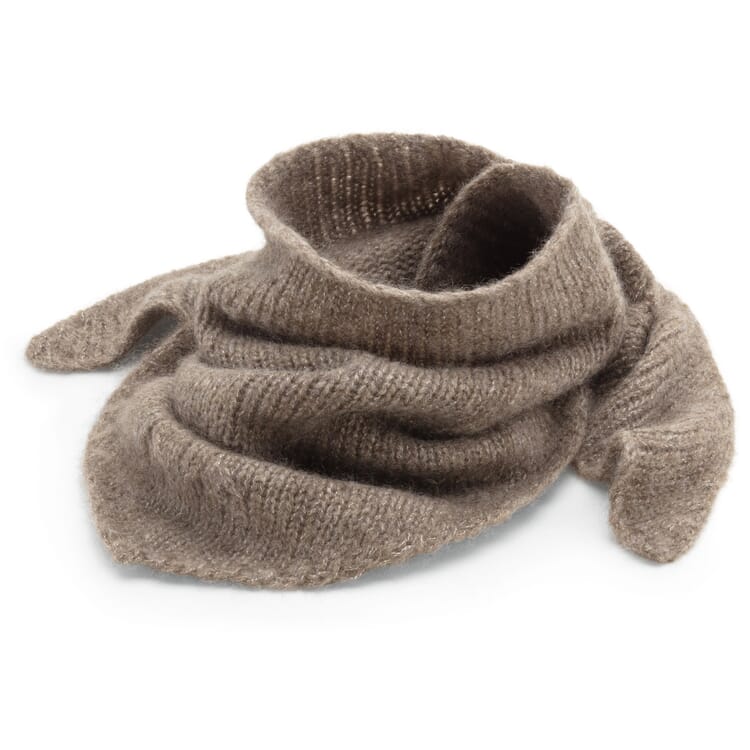
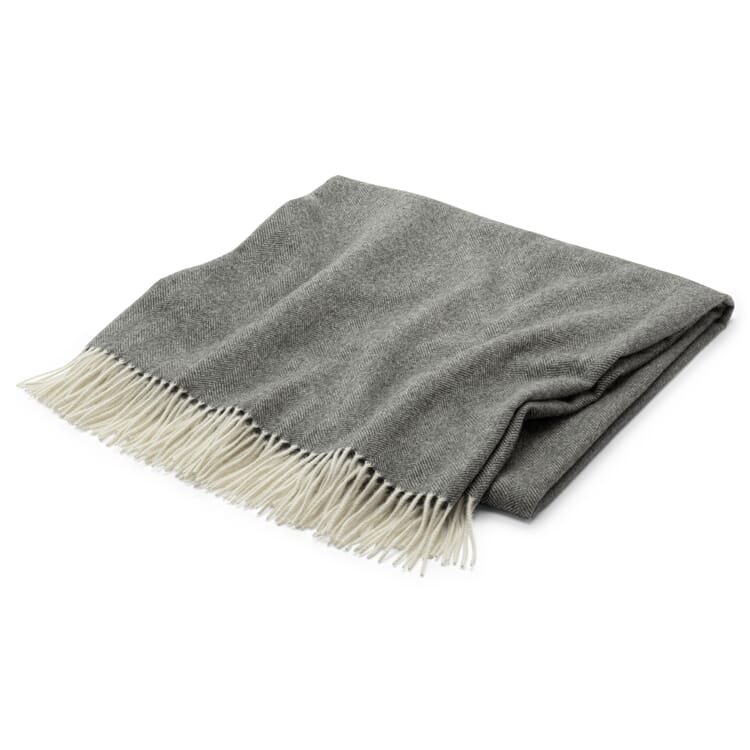
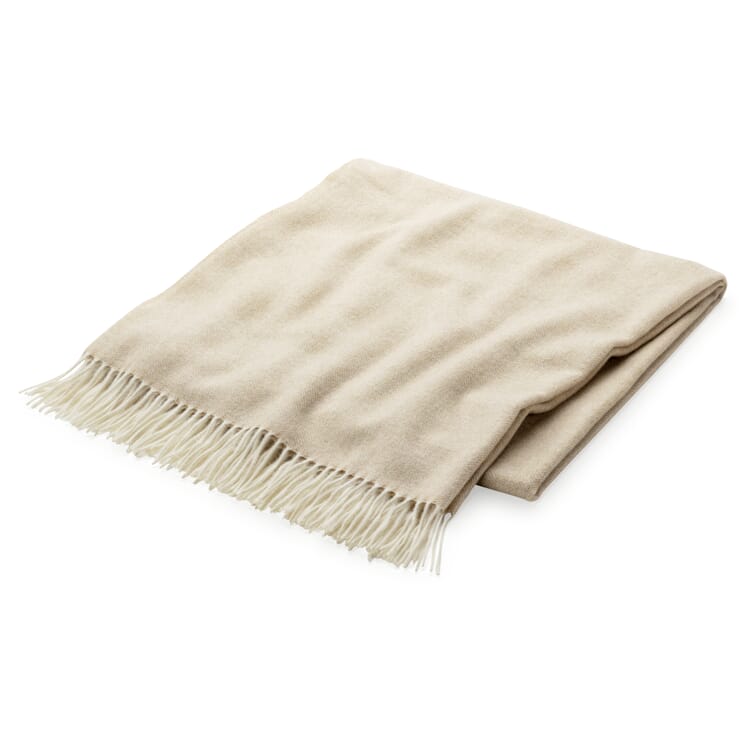
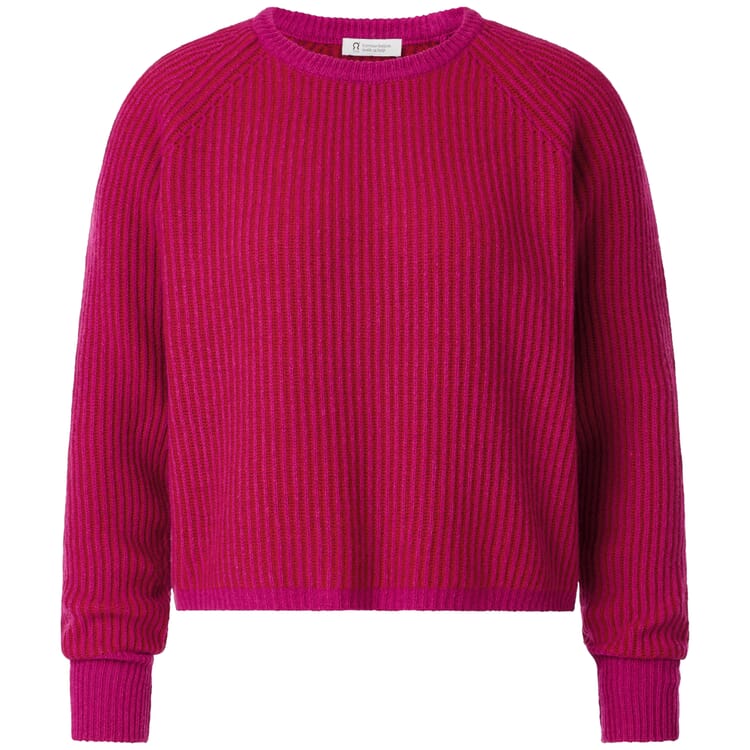
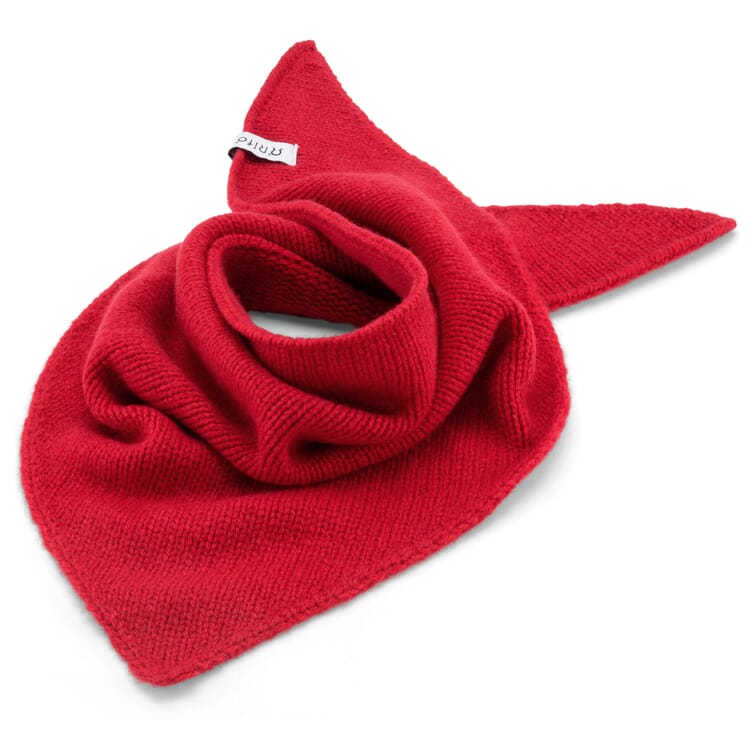
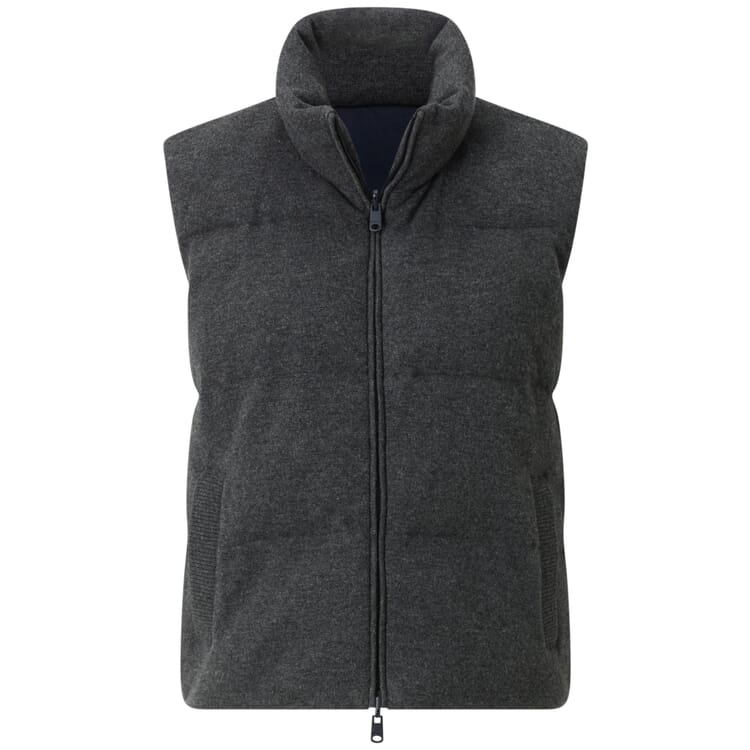
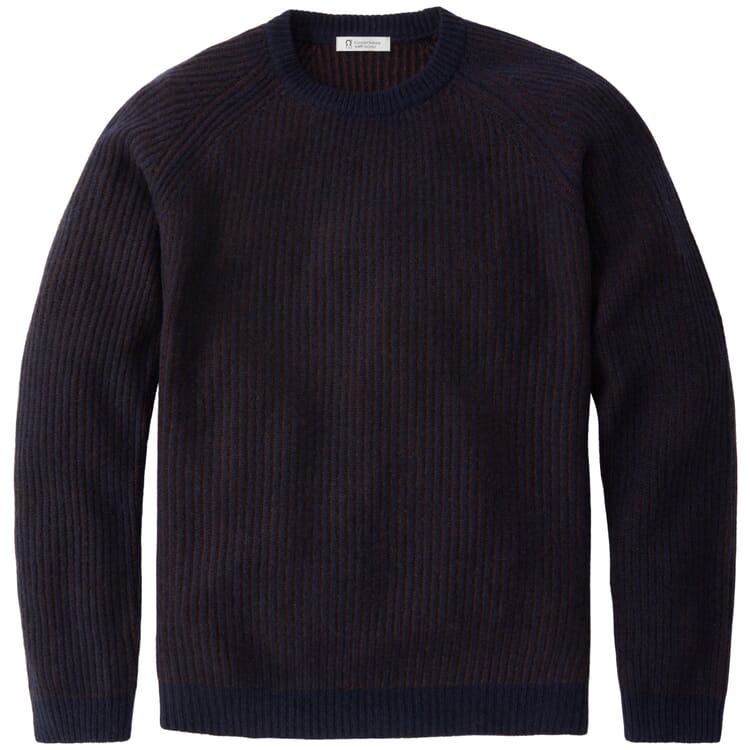
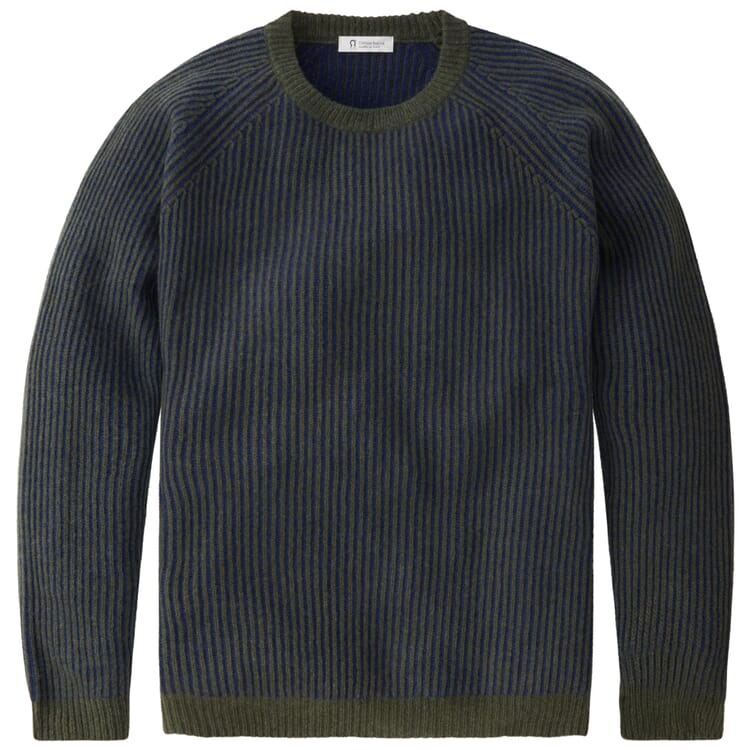
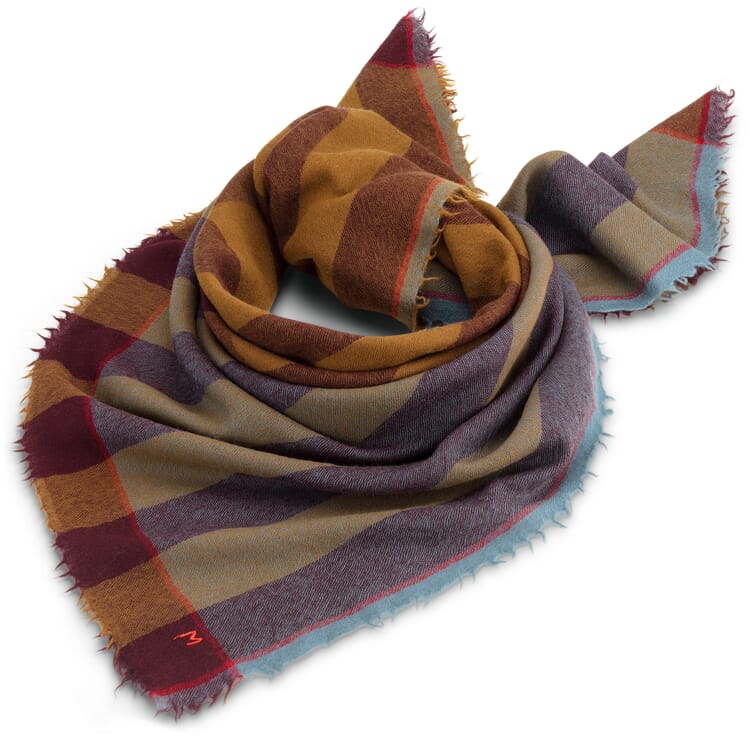
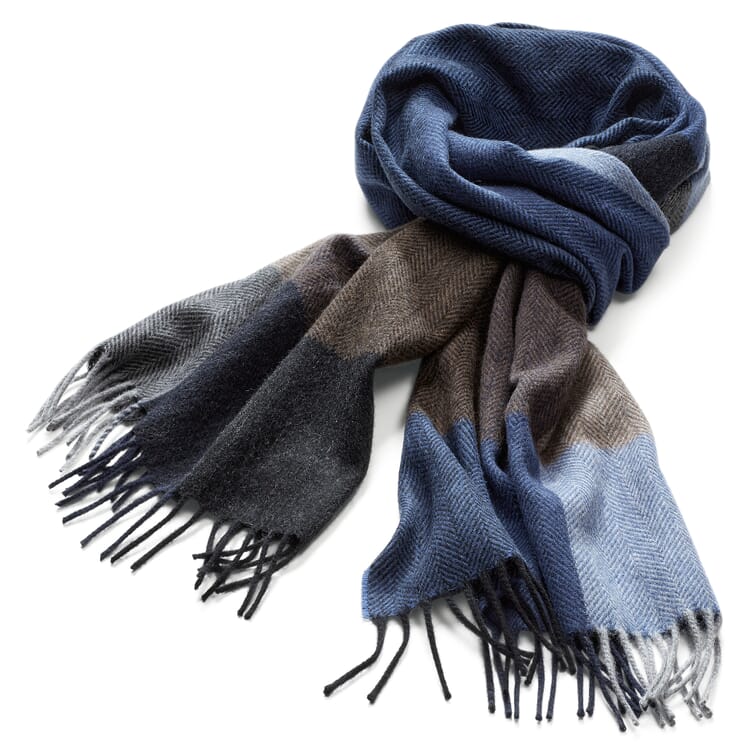
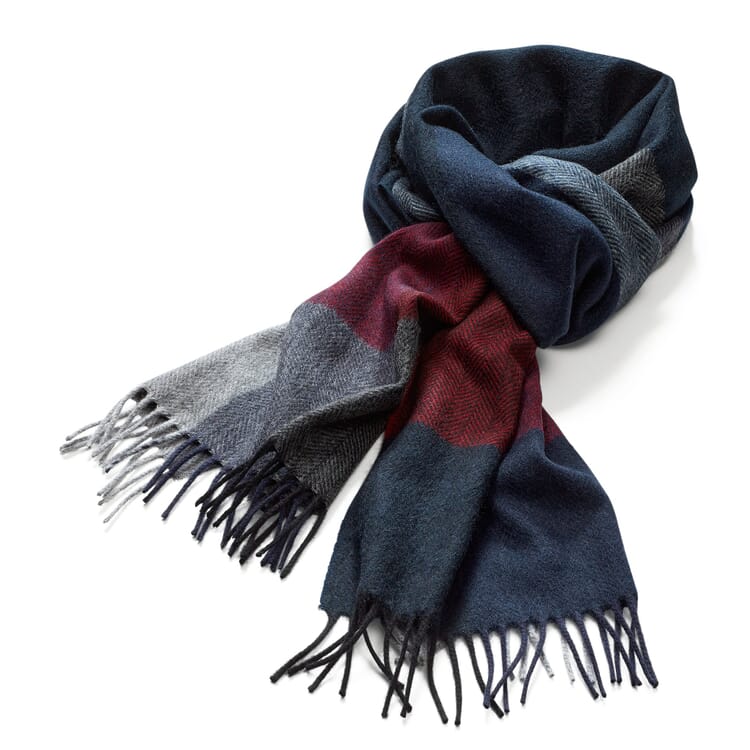
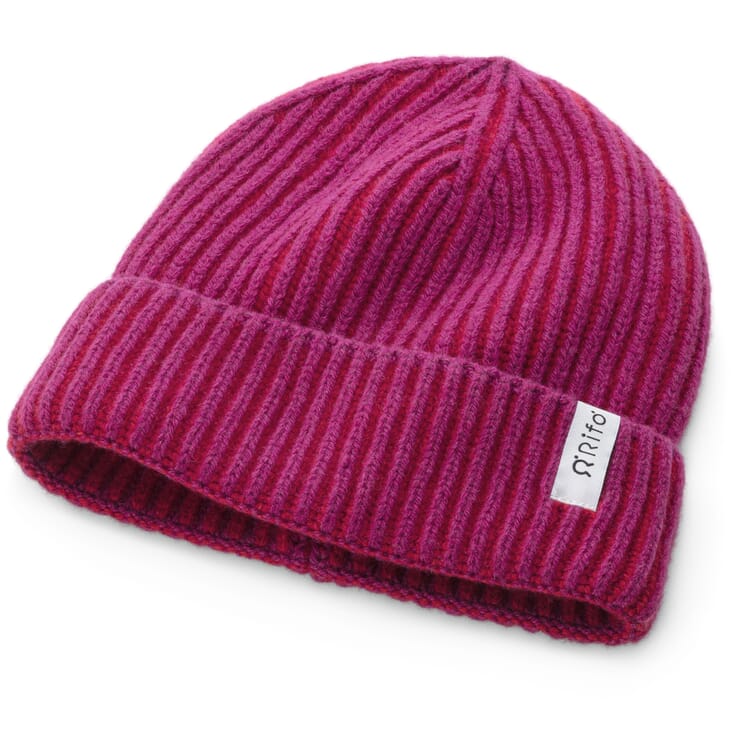
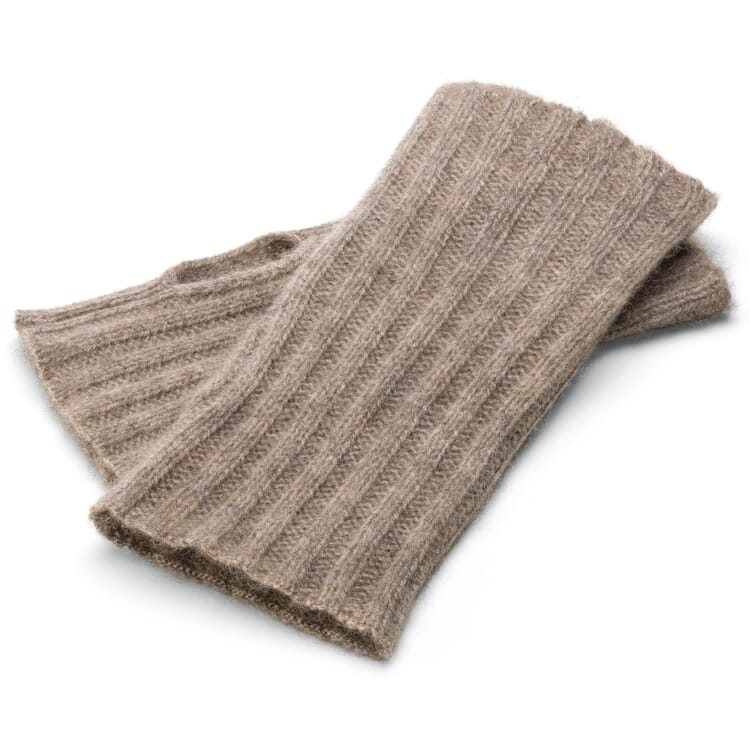
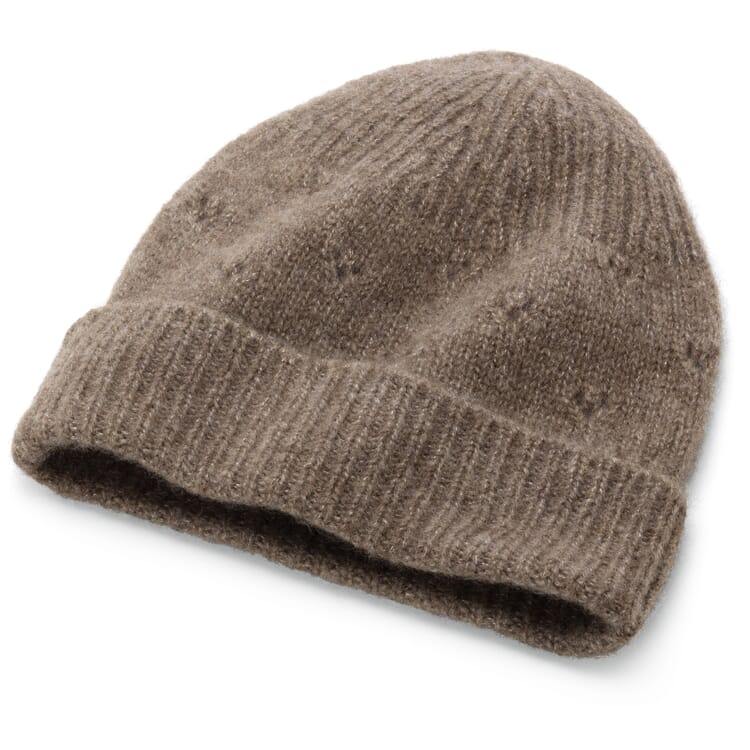
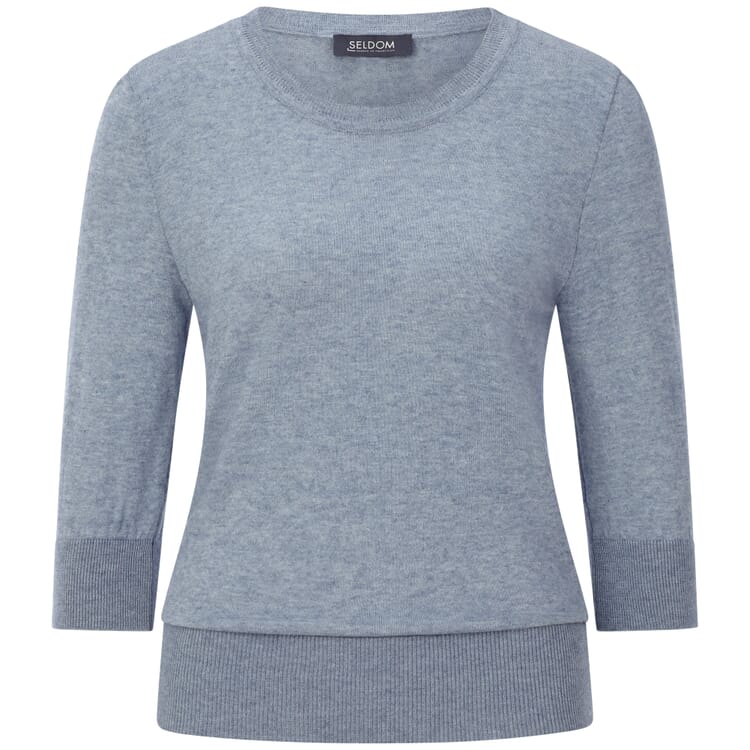
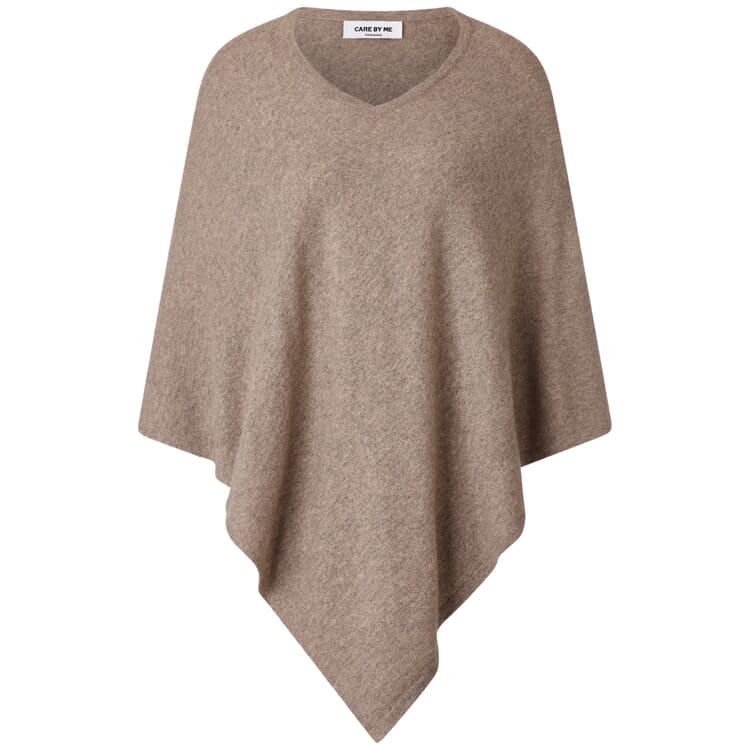
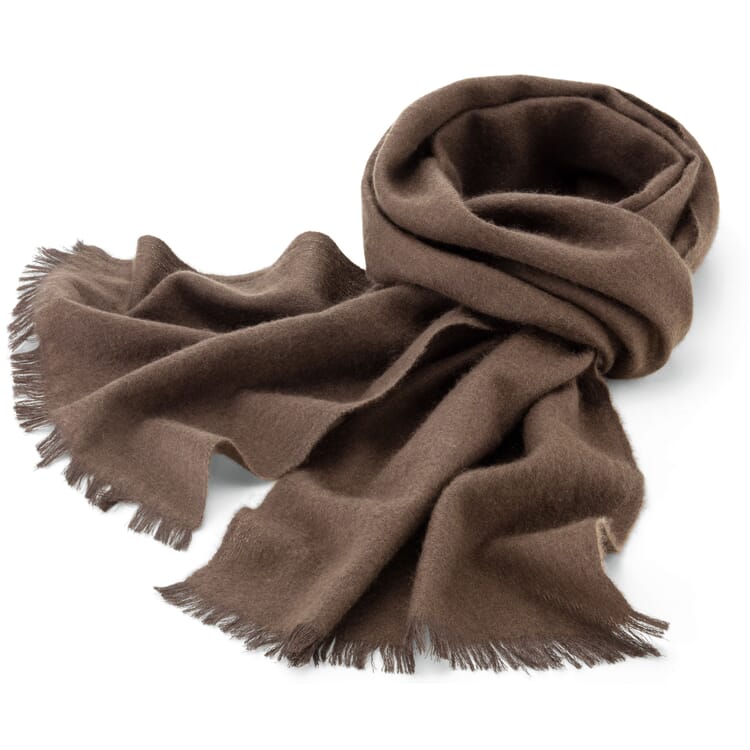
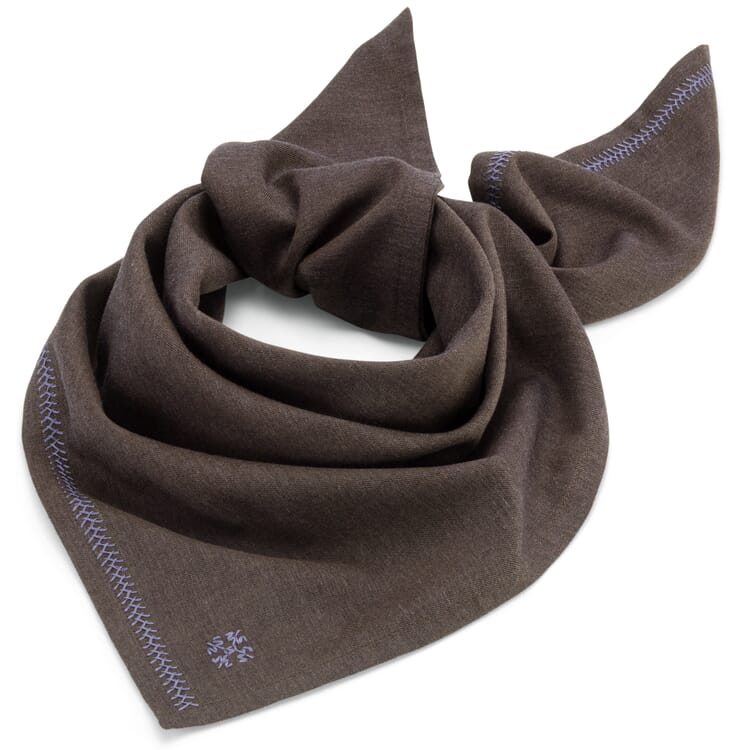
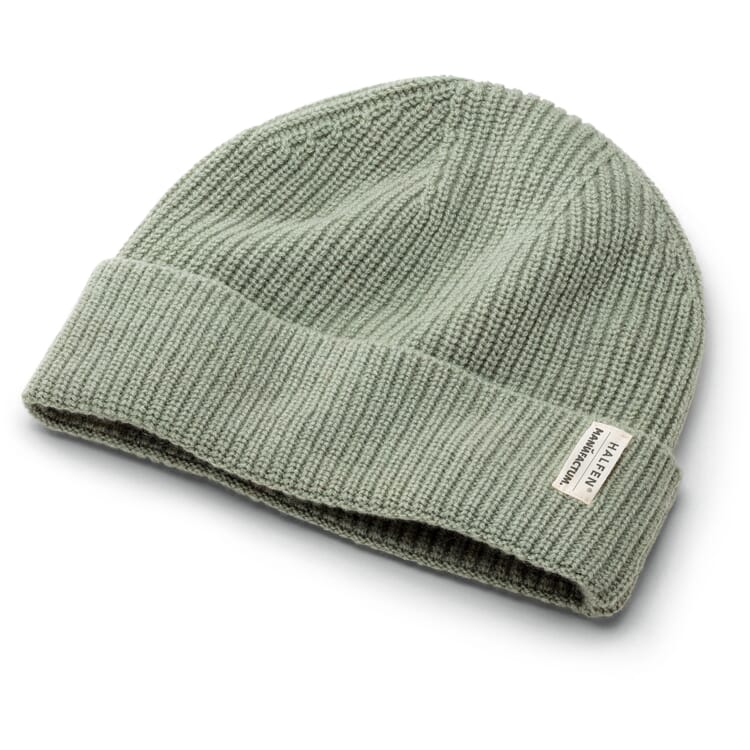
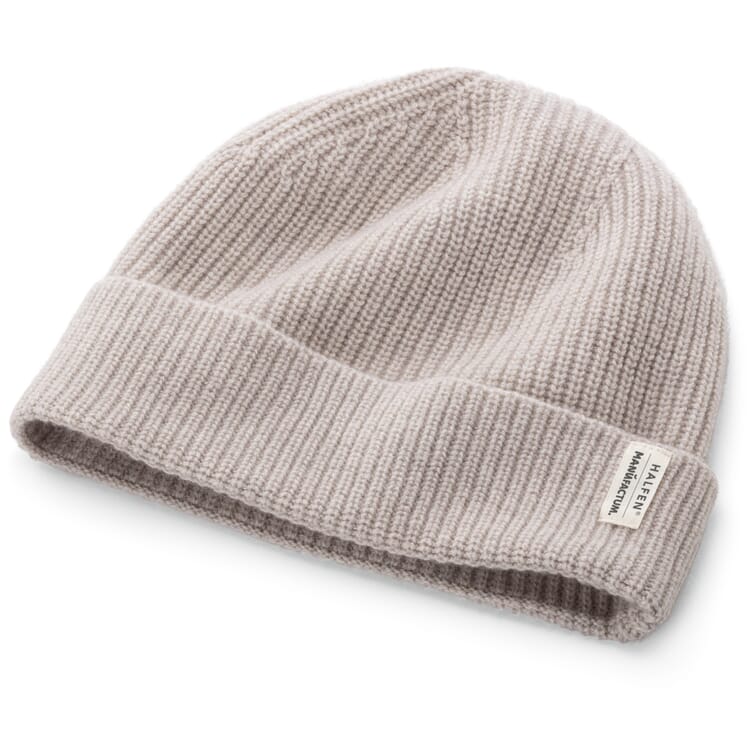
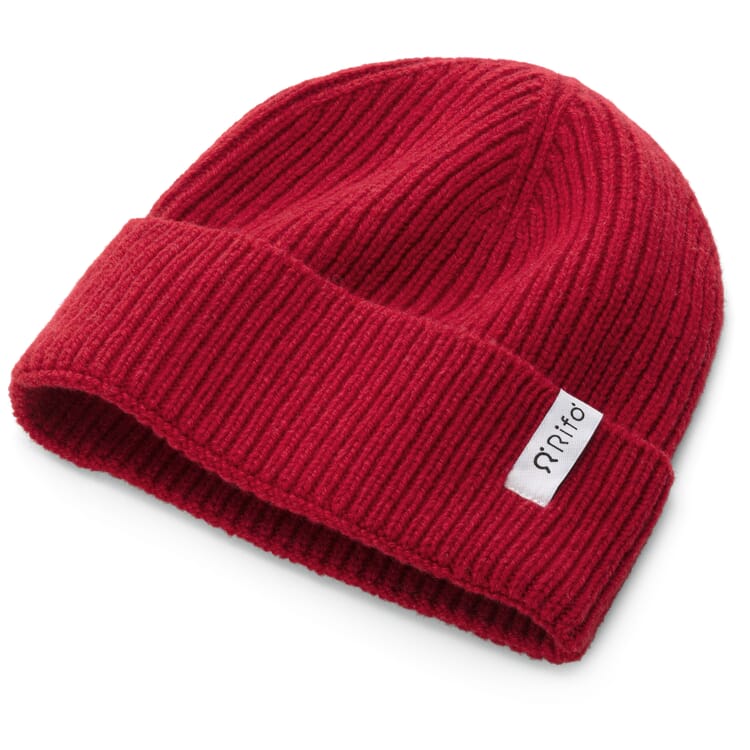
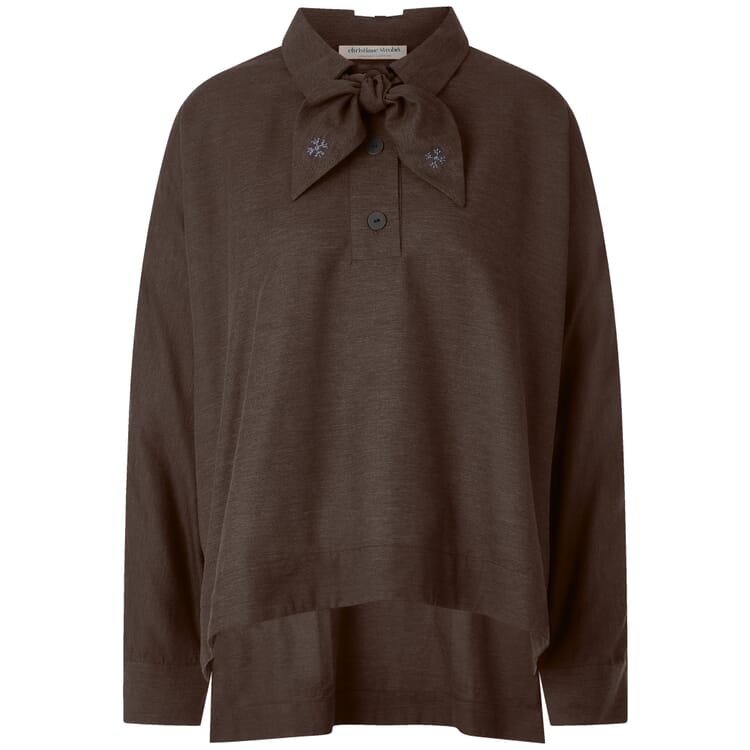
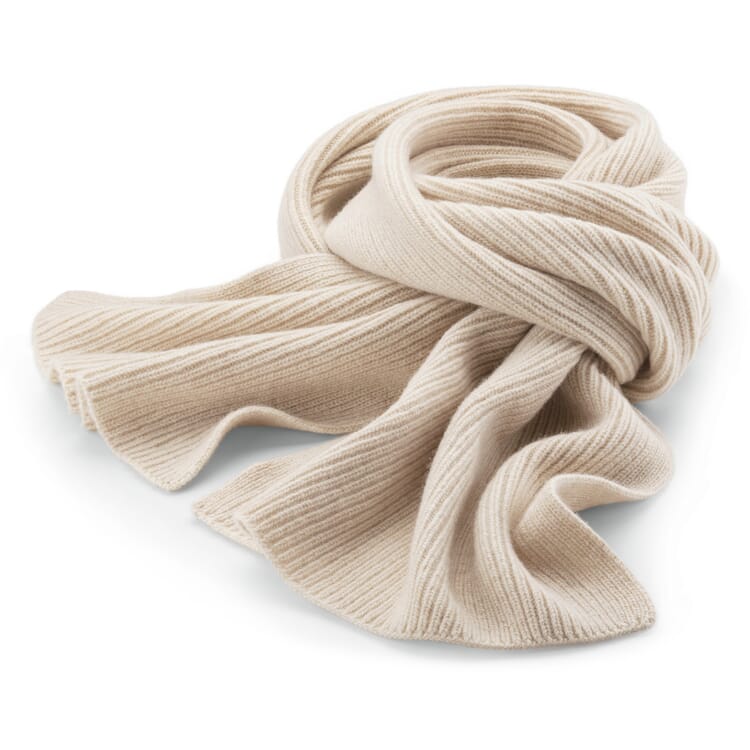
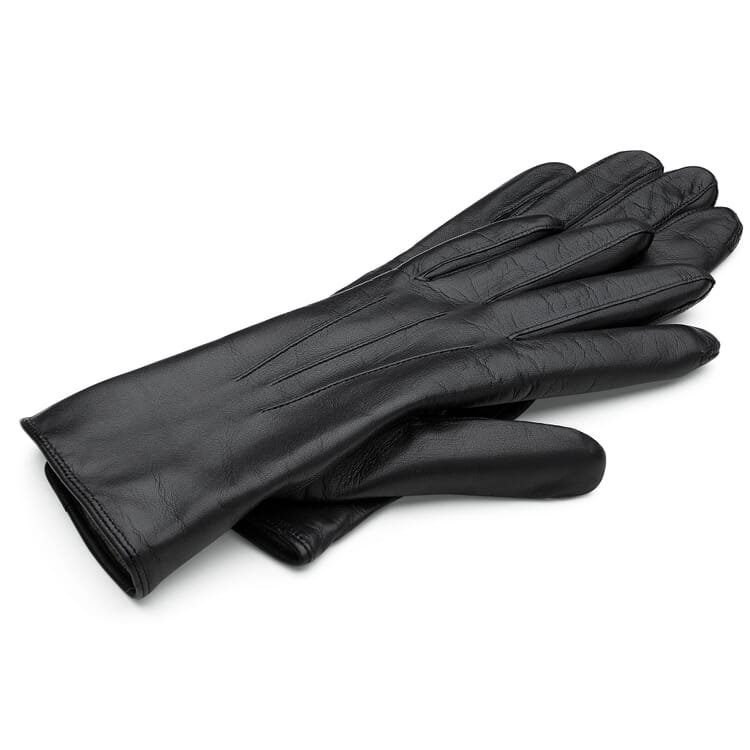
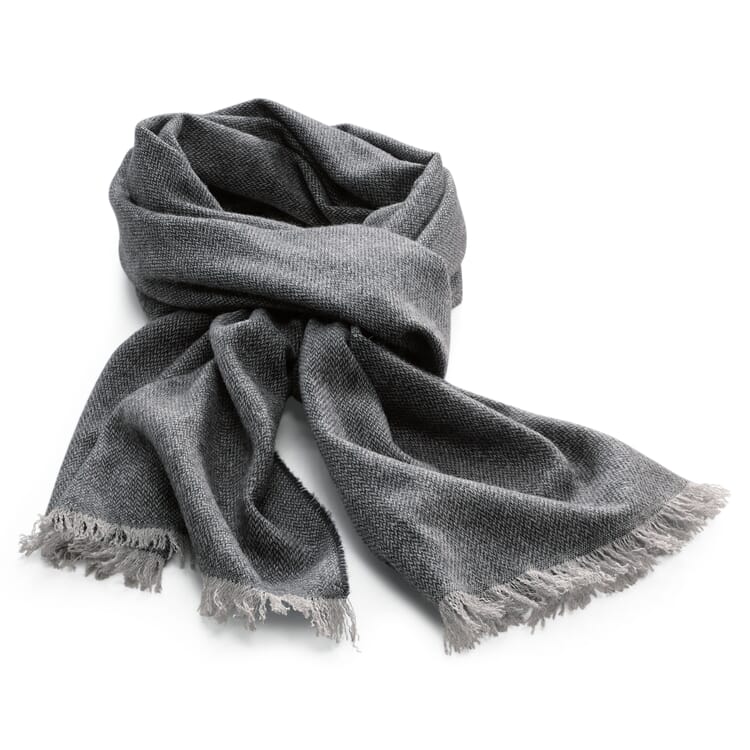
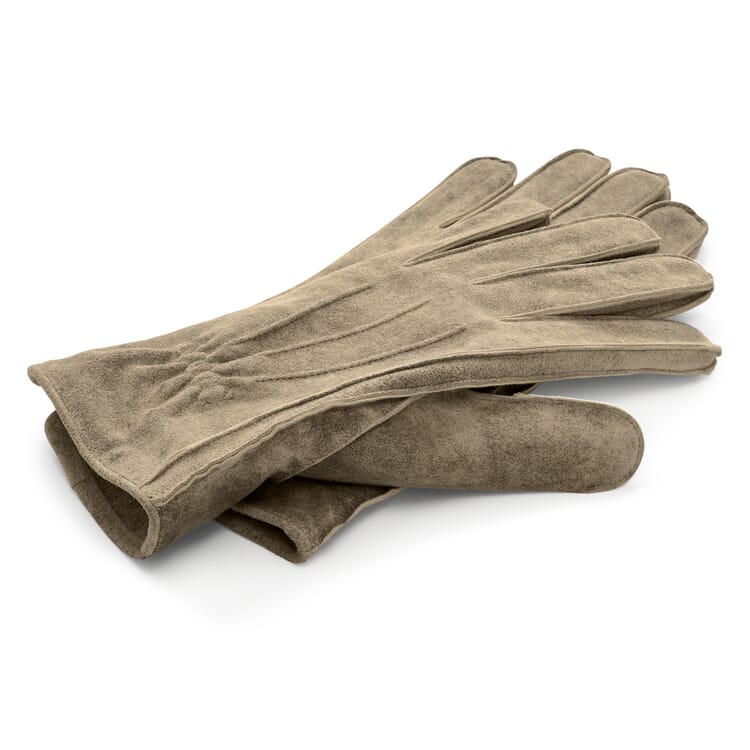
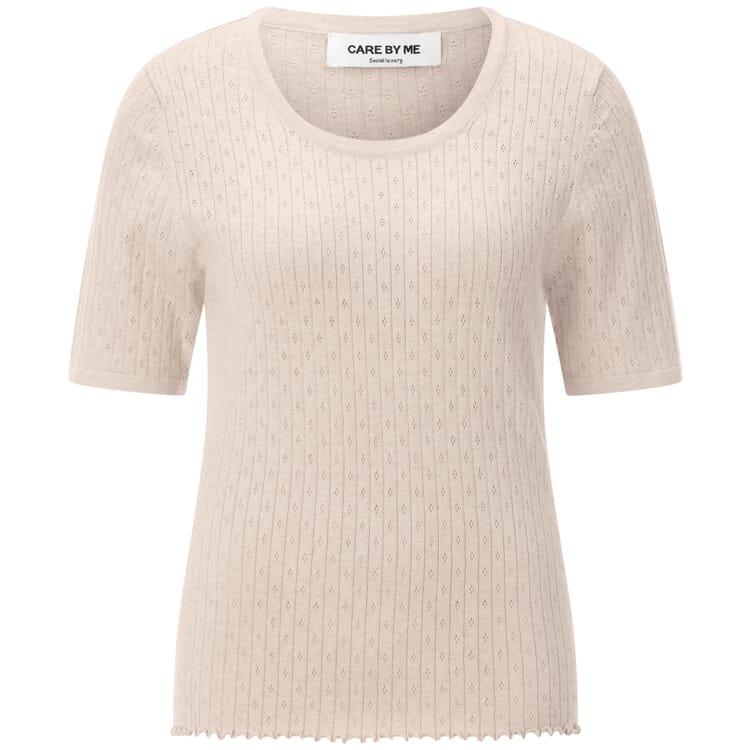
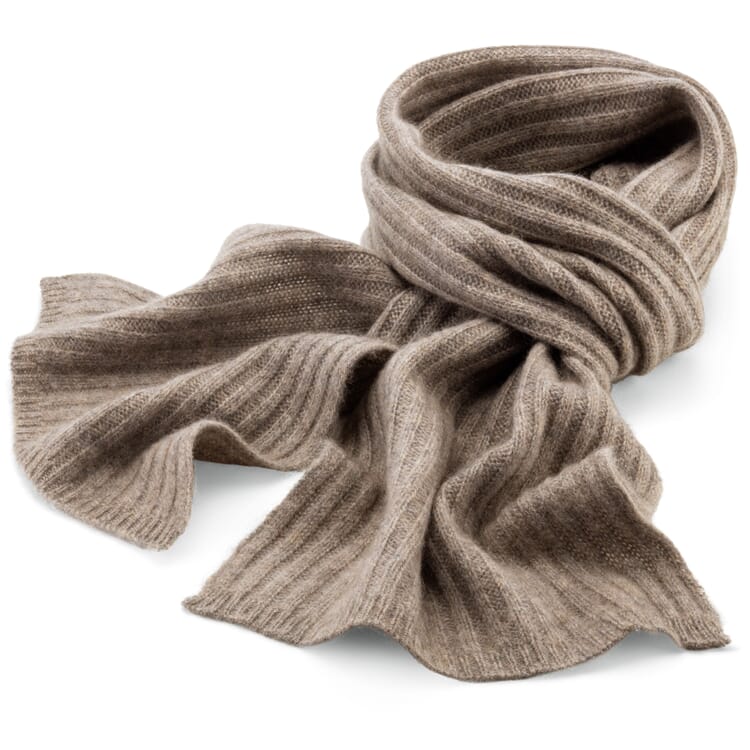
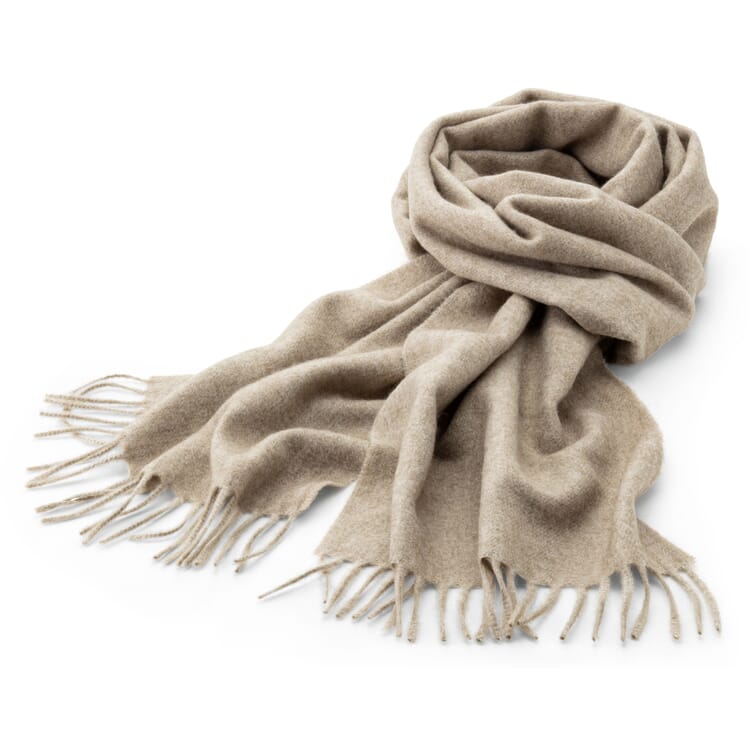
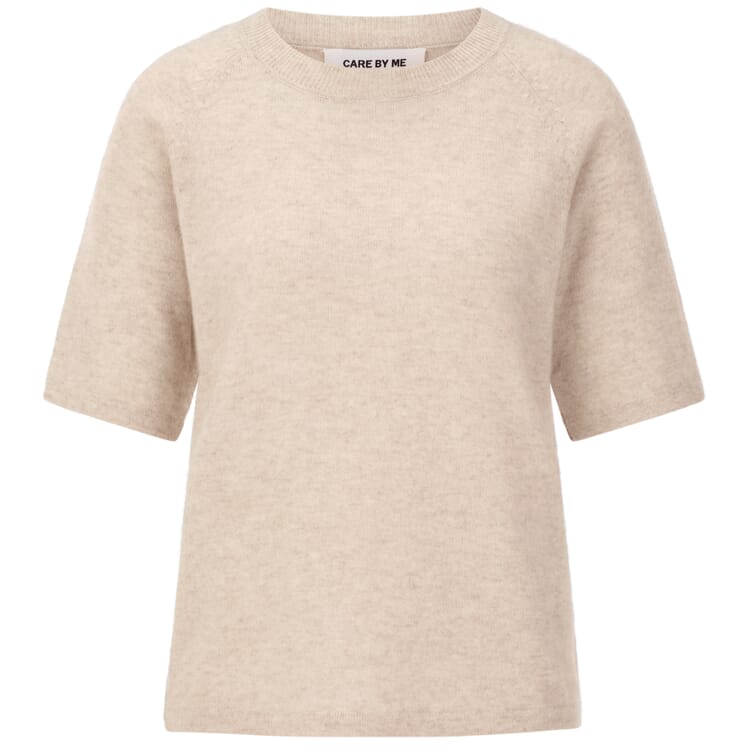
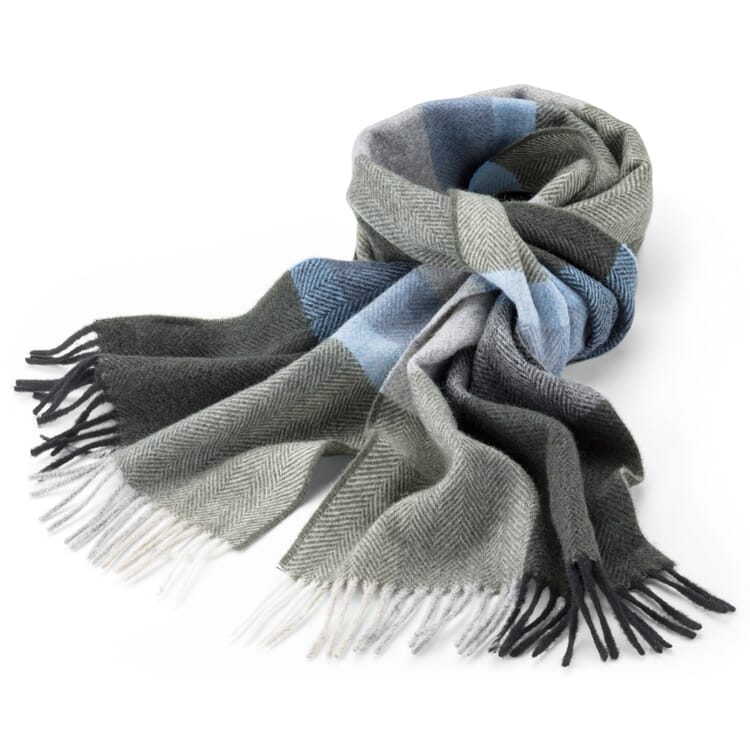
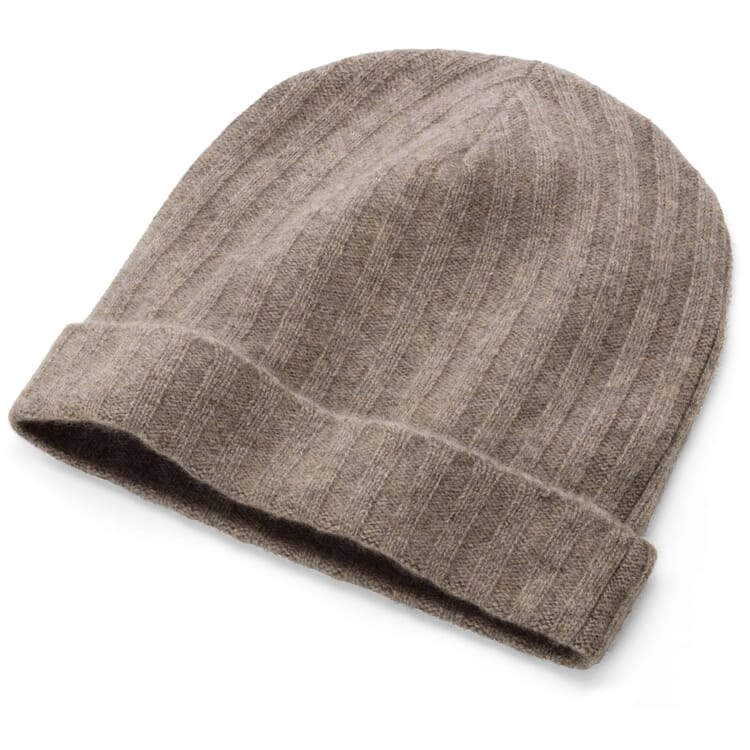
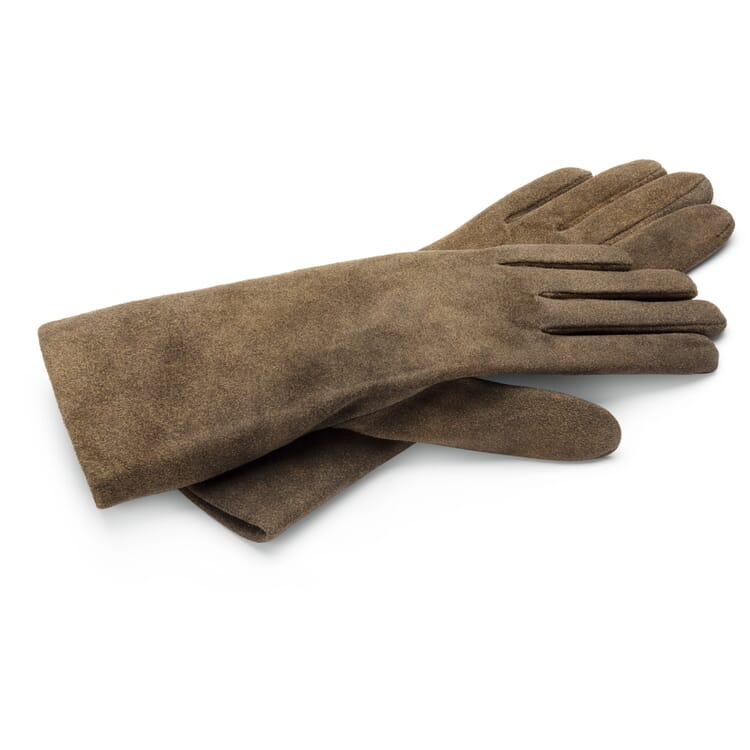
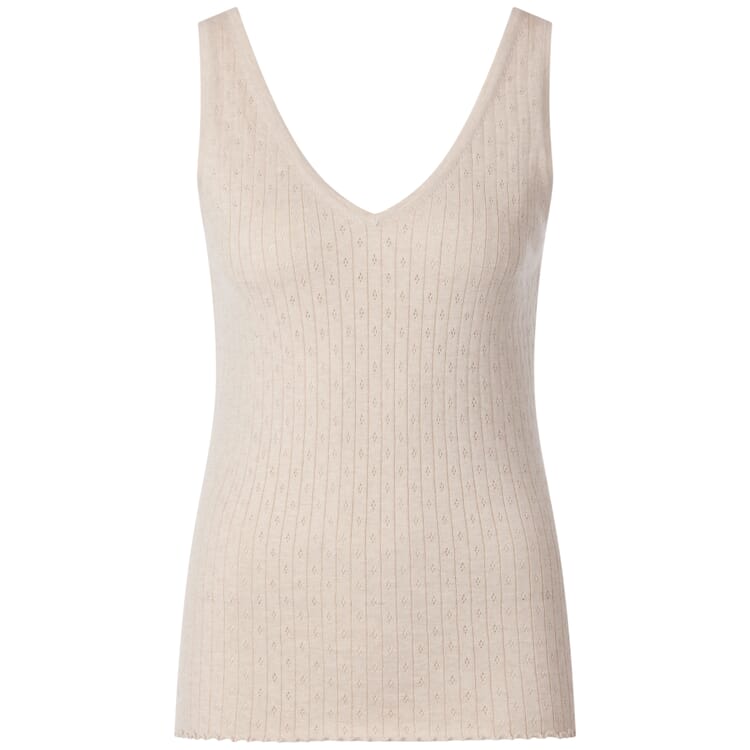
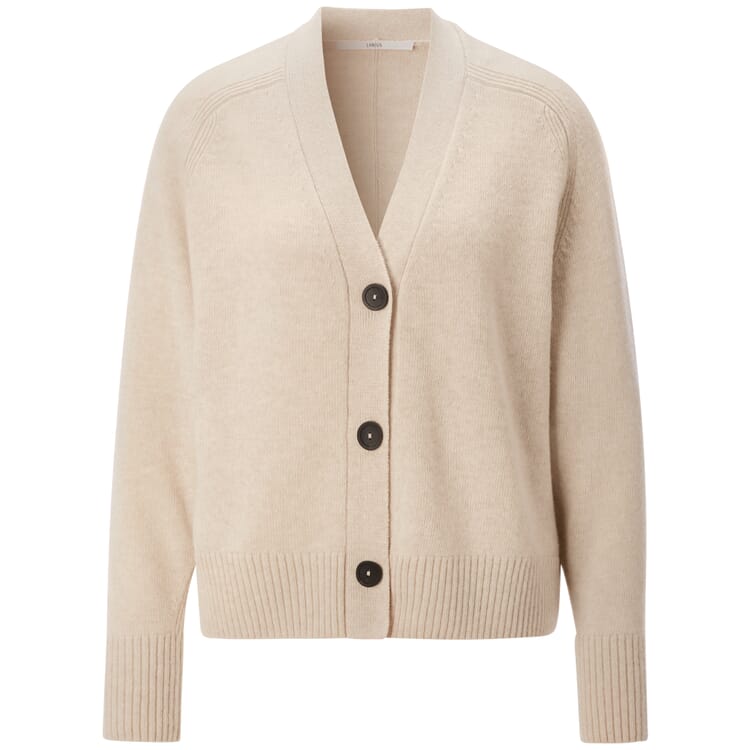
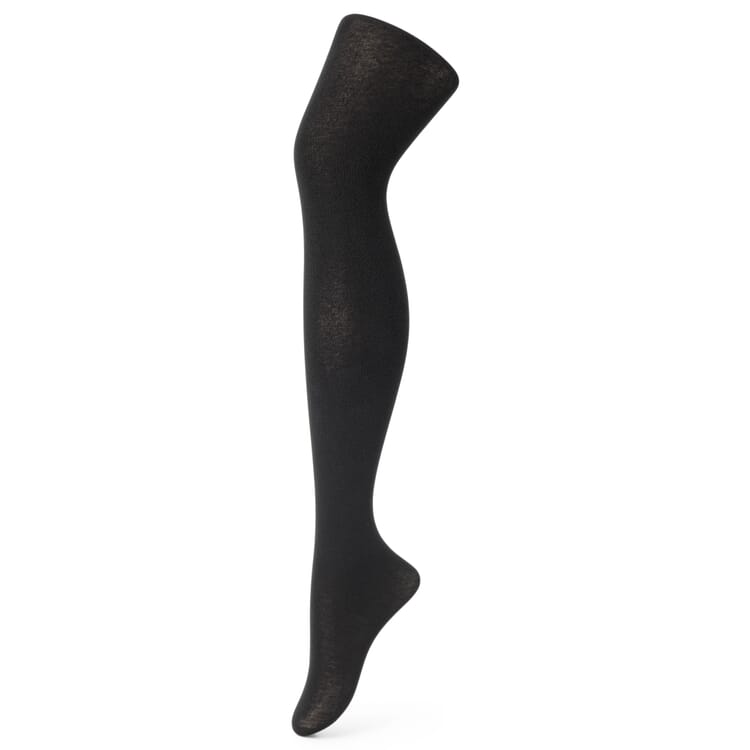
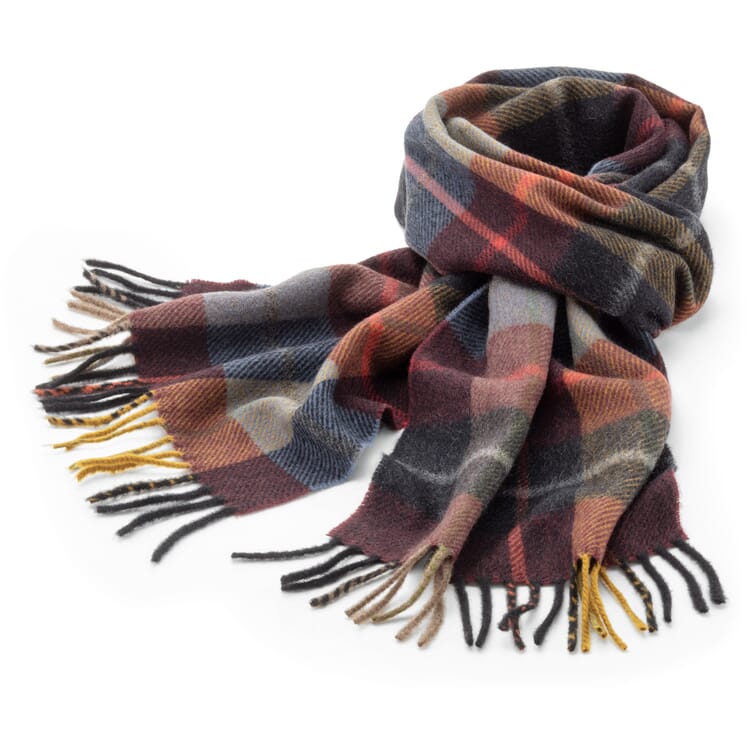
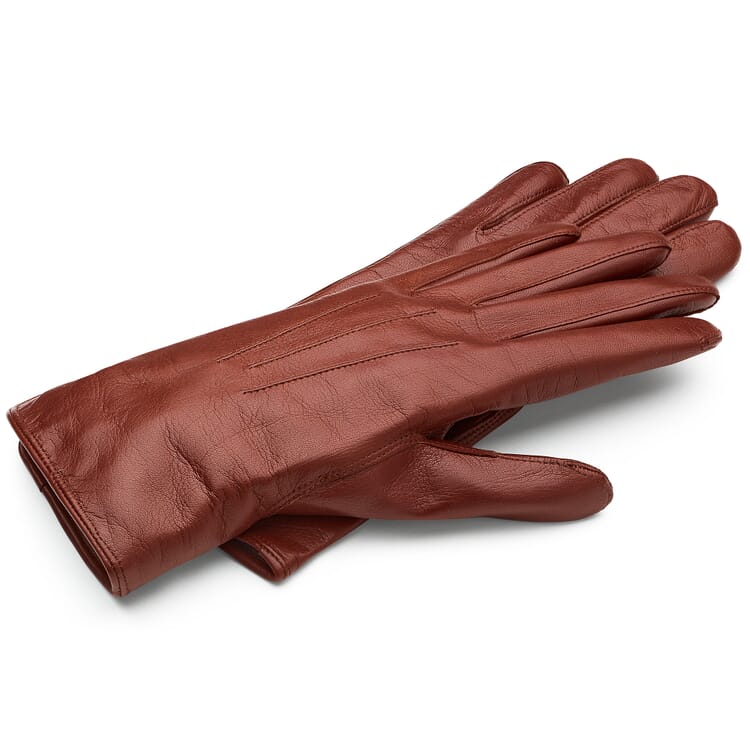
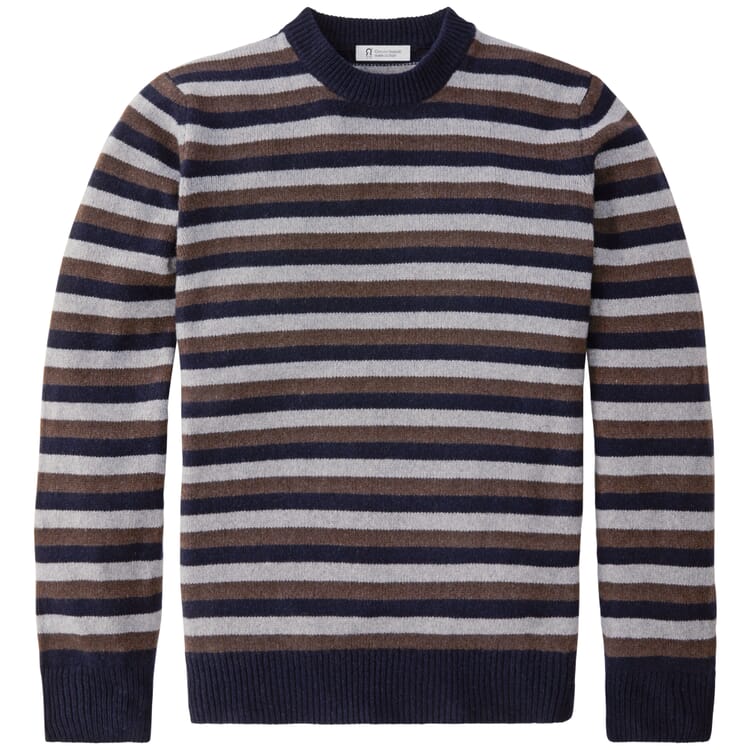
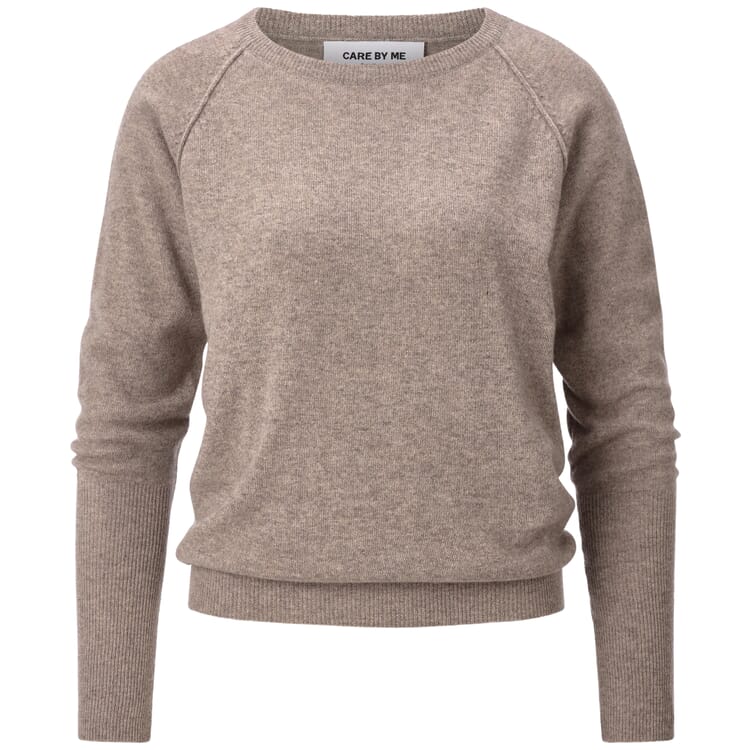
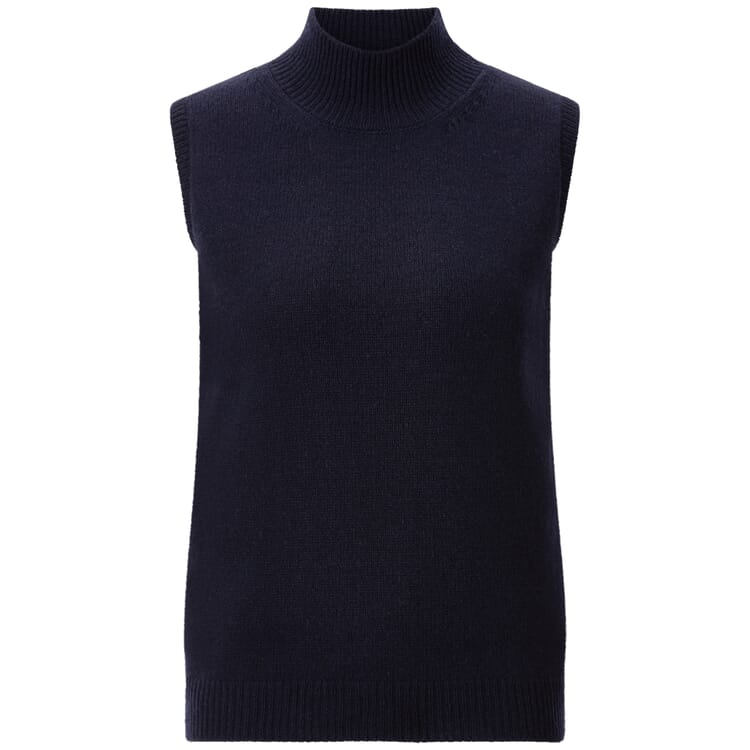
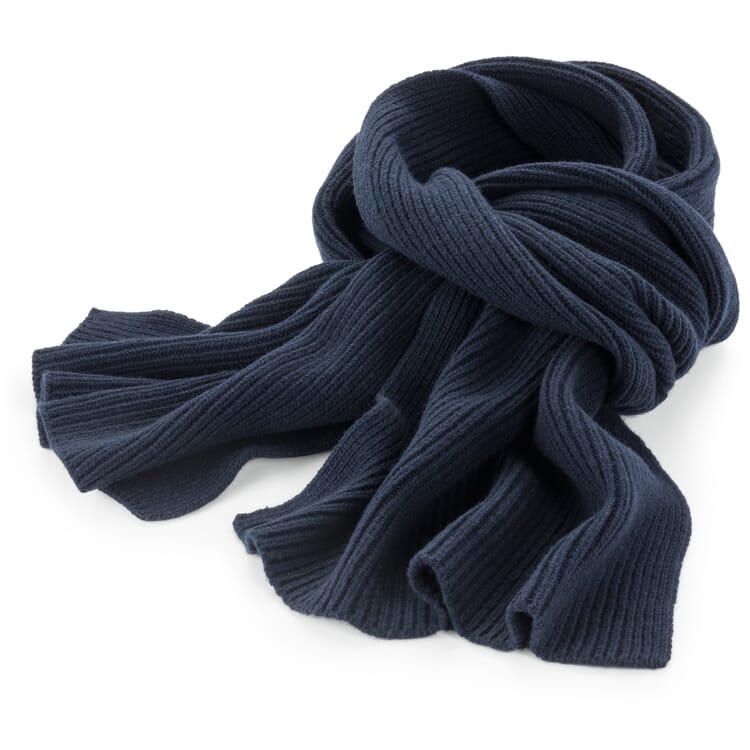
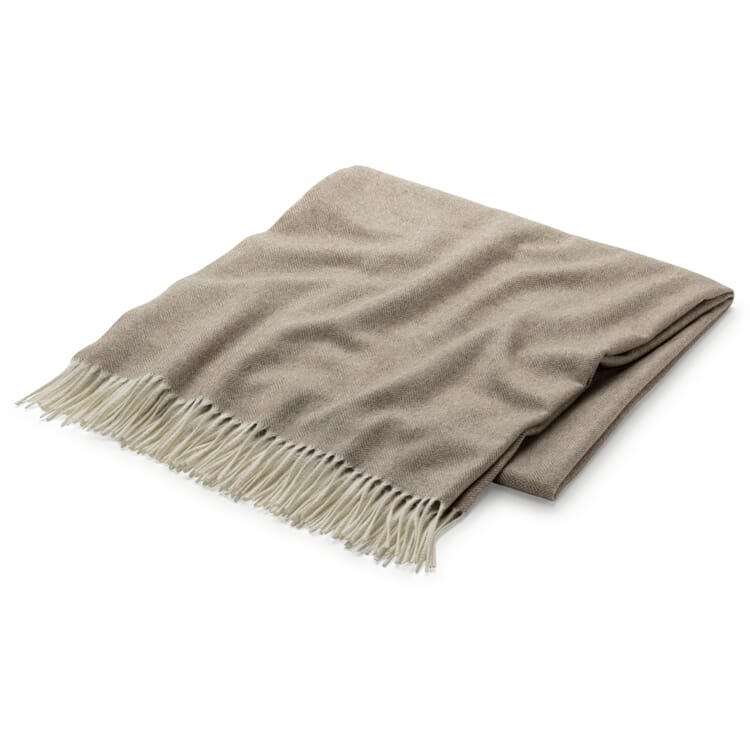
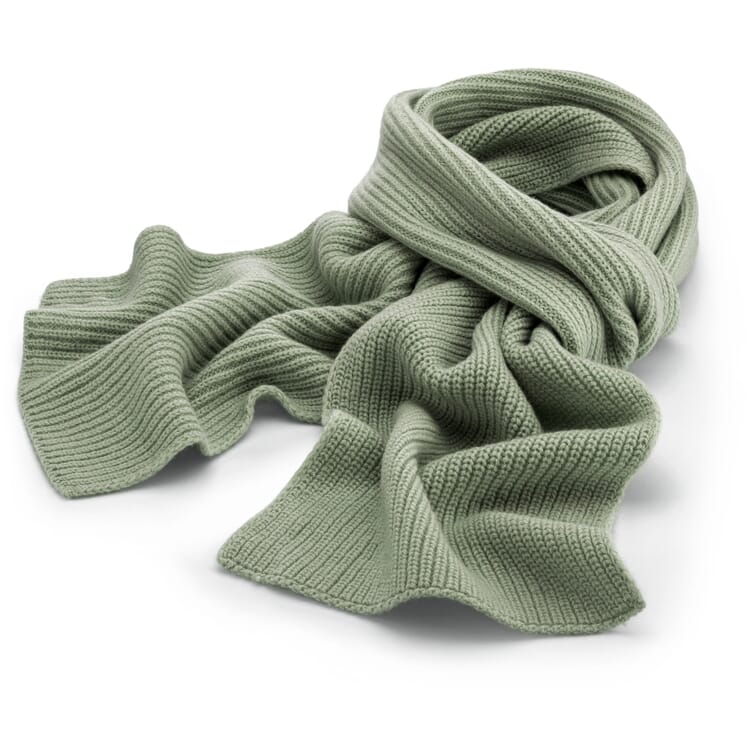
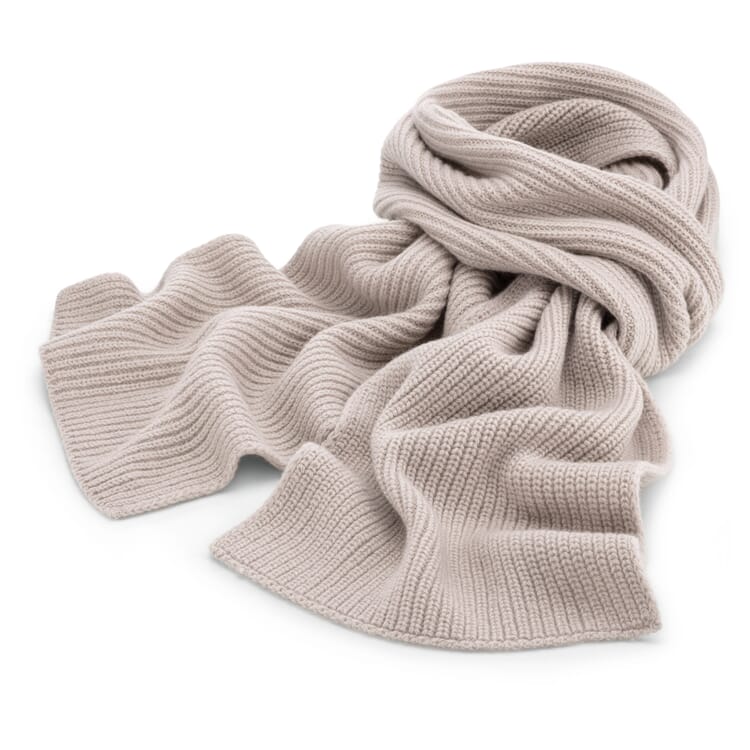
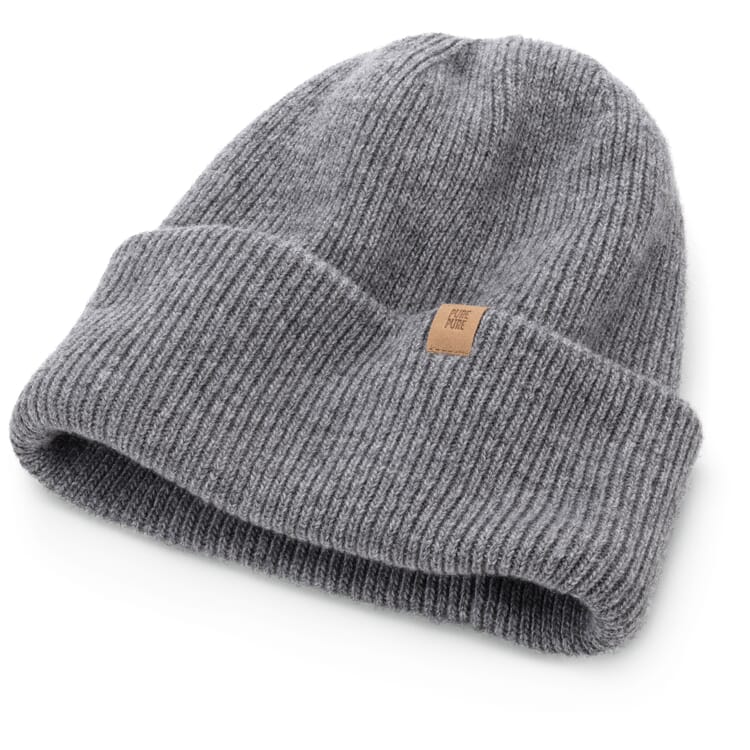
Selected products with cashmere















































Recommended Topics

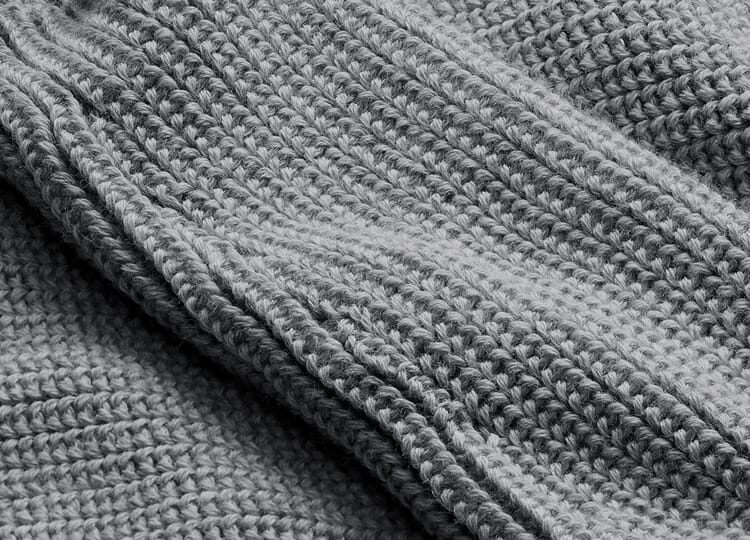
It warms in winter, is pleasantly cool in summer, and flatters the skin - merino wool is a unique, sustainable natural product with numerous highly functional properties. The extremely fine virgin wool comes from merino sheep, which are among the oldest and most resilient sheep breeds in the world. Their original home is the mountainous regions of North Africa. There they have to withstand sometimes extreme temperature differences
View more
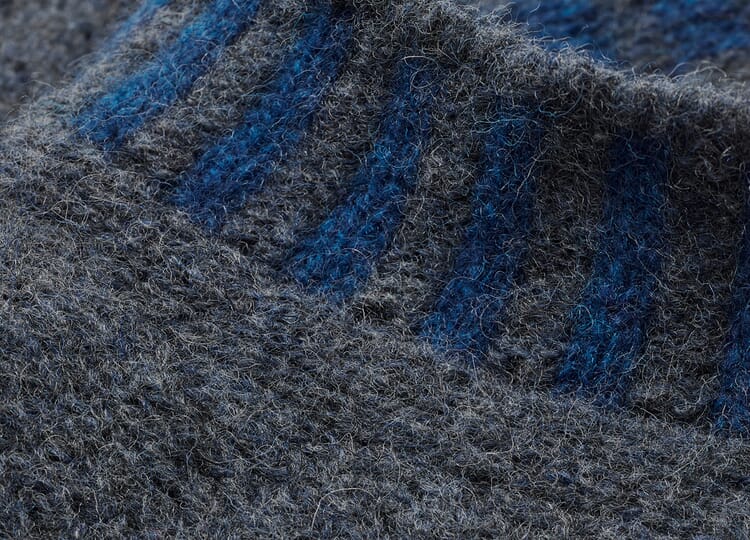
Warming in winter, cooling in summer - virgin wool is a convincing natural fiber. However, it may be called such only if it was obtained by shearing live animals - which makes it of higher quality. The wool of merino sheep is considered to be of particularly high quality, as these animals have very fine wool hairs, which are extremely pleasant to the skin.
View more
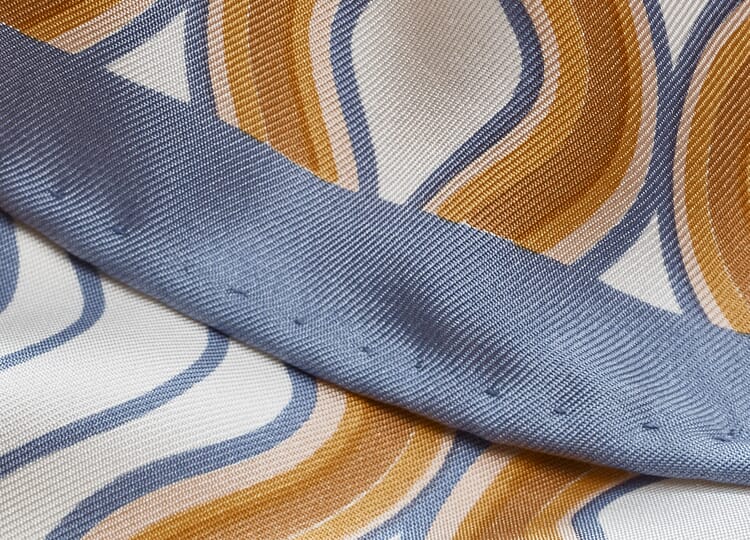
Silk is one of the noblest and finest fabrics. Hardly any other fabric has such a pleasant feel and lies so softly flowing and supple on the skin. And even if it does not appear so at first glance, silk is extremely durable. Which advantages the precious fiber has in detail and how you can care for your garments made of silk, we will explain to you below
View more